2025 rental market in review: Key trends and exclusive insights from RentCafe.com
Share this article:


The rental market has shifted in meaningful ways in 2025, reshaping who rents and where. More than 506,000 new apartments opened nationwide, with over half located in the South — and newly built units are getting larger overall. At the same time, adaptive reuse continued to gain momentum: Over 70,700 apartments were created from former offices this year, breaking a new record for office-to-apartment conversions.
Furthermore, more millionaires are choosing the flexibility and perks of renting — while luxury apartments at below-average rents are still within reach for those who know where to look. And, roughly 38% of U.S. renters move to a new address in their area within two years of signing a lease, with Gen Z leading the pack as the most frequent movers.
Staying informed can make a real difference for renters navigating their options in the new year. So, to provide clarity, we’ve rounded up this year’s top RentCafe.com reports. Packed with exclusive data, engaging visuals and expert takeaways, each report breaks down the trends shaping the ever-competitive apartment market.
2025 rental market recap — trends at a glance:
- The South dominates new apartment construction. More than half of the 506,353 new rental apartments opening in 2025 are in Southern cities, with Texas hubs leading construction.
- Office-to-apartment conversions are breaking records. More than 70,700 apartments were created from former offices this year. And while hotels account for the largest share of adaptive reuse projects overall, office conversions are booming.
- Apartments are getting larger again. After years of shrinking floor plans, the average apartment size rose to 908 square feet, with new studios and one-bedroom units now offering renters more elbow room.
- Washington, D.C., emerged as a magnet for renters. The nation’s capital swept #1 rankings for livability, renter engagement and the most new downtown apartments.
- Affordability, space and opportunity are still major draws. Southern and Midwestern locations provide the most space for $1,500, the best cities for renters and even strong appeal for Gen Z graduates seeking reasonable rents and quality of life.
- 1 out of every 11 renters is a millionaire. Even affluent people are increasingly choosing the flexibility and convenience of renting. Texas, in particular, has seen a notable rise in millionaire renters.
Whether you’re keeping an eye on national trends or digging into local updates, our exclusive insights make it easier to understand what’s really happening in today’s U.S. rental market and how it may impact your next apartment search.
500K+ new apartments opened this year — mostly in the South
Although the 506,353 new units that opened in 2025 falls short of last year’s record-setting apartment completions, the total remains well above any annual totals recorded since 2015, thereby reflecting continued high demand for rental apartments.
Fueled by fast population growth, more than half of the new apartments built in 2025 are in the South, especially in big Texas cities, like Dallas, Austin and Houston.
In fact, Sunbelt cities continue to surge as economic powerhouses, and revitalization efforts (boosted, in part, by investments tied to the 2026 FIFA World Cup) are helping fuel even more construction.
Adaptive reuse skyrockets to 25K converted apartments
Adaptive reuse apartments are surging at a record pace: Last year, nearly 25,000 new rentals came from these conversions — a 50% jump from the year before. Specifically, hotel-to-apartment projects led the way, accounting for 37% of all conversions. They were followed by office buildings (24%), industrial spaces (20%), and schools (8%).
In fact, school conversions were the fastest-growing conversion type: Nearly 2,000 new apartments were created from former schools — an all-time high and four times more than in 2023.
And there’s much more coming: About 181,000 additional converted apartments are in the pipeline nationwide (mostly from former office spaces), which is up 19% from last year.
Record 71K apartments coming from office conversions
Turning offices into apartments is also taking off fast: These projects jumped from 23,100 units in 2022 to an expected 70,700 in 2025, breaking record after record each year. Now, office-to-apartment projects account for nearly 42% of all future converted apartments.
Additionally, more of these office-to-apartment conversions are happening in newer buildings, especially those from the 1990s and 2010s. Previously, they comprised just 1.27% of reuse projects, whereas now they’re expected to represent about 7% of upcoming conversions.
Nationwide, more than 1.2 billion square feet of office space (or 14.8% of total office inventory) is considered suitable for conversion, according to the Conversion Feasibility Index from CommercialEdge.
New apartments are getting larger
After years of shrinking floor plans, apartment sizes are getting larger. The national average apartment size is now 908 square feet, with studios, one-bedrooms and two-bedrooms all adding a bit more space throughout the last decade.
Of these, one-bedrooms remain developers’ favorite, making up 48% of all new apartments built in 2024 and throughout the last 10 years. To that end, one-bedroom apartments got about six square feet larger to reach 735 square feet, on average. At the same time, three-bedroom units have steadily shrunk, with two-bedrooms following a similar trend.
As studios and one-bedrooms dominate the market, smaller apartments continue to shape the push toward more efficient living space.
Studios also saw the biggest gains, adding 13 square feet in 2024 to reach an average of 457 square feet, up from 444 in 2023.
Washington, D.C., attracts most interest from renters
Our mid-year Renter Engagement Tracker shows that renters are being more careful when looking for a new place in 2025. Specifically, they’re checking more listings, saving more favorites and doing more research before signing a lease.
Washington, D.C., ranks #1 for renter engagement in the first half of the year, earning high marks across RentCafe.com’s key engagement indicators: available listings, page views, favorites and saved searches. Kansas City, MO, follows in second place with Cincinnati close behind in third.
By region, the South leads with 14 cities in the top 30. The Midwest follows with nine entries, showing steady interest. The West contributes six cities, showing moderate but consistent activity. In contrast, the Northeast is sparsely represented, with only one city making the list during the first half of 2025.
Chasing the action? D.C. builds most downtown apartments
Downtown living has big perks for renters — walkability; plenty of restaurants and entertainment; community events and even possible savings from local revitalization programs.
As such, downtown apartment construction peaked in 2019, when 44% of all new units were added in core areas. Interestingly, adaptive reuse was even more influential in the late 1990s and 2000s, when it made up 16% of new downtown rentals — the highest share in 35 years.
However, since 2020, the landscape has shifted: Only 34.7% of new apartments have been built in downtown areas (down from 39.2% pre-pandemic) — a 4.5% drop suggesting a more strategic development approach. Similarly, adaptive reuse in urban cores has also slowed, falling from 10% of downtown builds in the 2010s to 6% today.
Even so, this decade (2020 to present) has been strong for markets in which more than 70% of new apartments were built in the city core. Leading the pack is Washington, D.C. with nearly 80%, followed by Long Beach, CA; Milwaukee; Detroit; and San Francisco.
Nation’s capital is most livable metro area
Does finding a place where you can live well — with a reasonable cost of living, good health care access and a strong sense of community — feel out of reach? Washington, D.C. proves it’s possible.
Uncommon for a major city, the capital ranks #1 among the nation’s most livable metro areas, due to its focus on wellness, ongoing revitalization efforts and unmatched professional networking opportunities. These strengths helped D.C. climb from seventh place last year to #1 this year.
And, let’s not forget last year’s top performer: Portland, ME, which now ranks second, is supported by a stable job market and rich cultural and culinary scenes.
That said, regionally, the Midwest leads the way in overall livability, while the Northeast and West tie for second place.
The best cities for renters are in the South
The South solidifies its lead as the top region for renters, claiming 41 of the 50 cities included in RentCafe.com’s 2025 best cities for renters report thanks to high rankings in cost of living, housing and local economy.
Southern metros also dominate the top 10, reflecting the region’s growing appeal. Meanwhile, the West delivers great options for renters seeking a strong blend of jobs and lifestyle.
Of course, the Midwest continues to offer some of the best values for renters. Namely, cities like Sioux Falls, SD, lead the region by combining low costs with a high quality of life.
Even in the Northeast, renters who prioritize lifestyle and career growth have appealing options, too. For instance, Stamford, CT, offers a good match for young professionals drawn to its high-end apartments and nearby Fortune 500 companies.
Midwestern & Sunbelt cities offer most space for $1,500
Nationwide, renters can get about 715 square feet of space for a monthly rent of $1,500. But in 63% of the 200 largest U.S. cities, apartment hunters can stretch that budget even further. In particular, Midwestern and Sunbelt cities offer the most apartment space for that budget.
The South dominates the list, claiming 12 of the top 20 large cities offering the most square footage for $1,500. The remaining cities are in the Midwest. And, in nearly all 20 markets, renters can enjoy more than 1,000 square feet for that price, which is well below the national average rent.
At the other end of the spectrum, renters in major Northeastern hubs can’t even secure a studio for $1,500. Granted, these cities come with a clear trade-off: Renters get to enjoy unmatched culture, career opportunities and urban buzz in exchange for more compact living spaces.
1 out of every 11 millionaires in America is actually a renter
In a surprising shift, the number of millionaire renters has tripled since 2019, growing even faster than millionaire homeowners. Since 2019, renters earning more than $1 million per year increased by 204%, as compared to 169% for homeowners. This shows that more wealthy people are choosing the flexibility and perks of luxury rentals.
While large, coastal hubs still attract many affluent renters, Southern cities are gaining ground. Texas, in particular, has seen big increases in millionaire renters looking for warm weather and a relaxed lifestyle. Meanwhile, millionaire homeowners are on the rise in select Florida locations.
There’s also a clear generational trend: Millionaire Millennials are more likely to rent, whereas millionaire Gen Xers tend to buy. Moreover, since 2019, the share of high-earning Millennials who rent has climbed by 60%, outpacing Gen Xers, who lean toward homeownership instead.
Luxury apartments without the high price tag? That’s totally doable in Texas
Looking for a stylish apartment with great amenities in a nice area without paying top dollar? Texas is your best bet. The Lone Star State leads the nation in luxury-for-less renting, boasting 44 ZIP codes where high-end housing comes at below-average rents — far more than any other state.
The West also offers strong opportunities for upscale rentals at reasonable prices. For example, Colorado has 19 ZIP codes where renters can score premium units without the premium price tag.
Several cities in the Pacific Northwest stand out, as well, by offering some of the biggest savings for renters. Although many apartments here are high-end, rents remain below typical luxury rates, making luxury living significantly more affordable.
More than one-third of renters change homes in less than 2 years
Roughly 38% of U.S. renters move to a new address in their area within two years of signing a lease, which is a slight drop from 40% in 2018. Moreover, this shift is tied to recent economic ups and downs: Early in the pandemic, many renters moved to save money or return home. Later, job changes, the Great Resignation and rising living costs pushed others to look for new opportunities or more affordable cities.
Across age groups, Gen Z is the most mobile with 72% moving within two years. At a distance, Millennial renters follow at 43%, reflecting more established careers, personal lives and a greater need for stability.
Yet, even for Gen Zers, moving patterns have moderated. Hyper-frequent movers fell from 83% in 2018 to 72% in 2023, suggesting slightly longer stays — though short-term tenancies are still common.
Regionally, the Southeast leads with 12 of the top 30 move-easy metros, followed by the Southwest with six.
Conspicuously absent from the top 30 is the Northeast, where tight supply means renters tend to stay put once they find a place that fits their needs.
It’s harder than ever to find an apartment in Manhattan, NY
Miami is the nation’s hottest rental market this year, with Chicago and its suburbs close behind as more renters look to the Midwest.
Notably, finding an apartment in Manhattan, NY, became incredibly difficult in 2025 as more people returned to the office. Plus, with two-thirds of renters renewing their leases, newcomers had very few options.
Competition also rose fastest in the suburban Twin Cities, where renters are drawn not just by affordability, but also by the quieter, safer, suburban lifestyle. On the West Coast, San Francisco’s rental market heated up, as well, driven by high-paying tech jobs and more companies bringing workers back onsite.
Otherwise, among small metros, Fayetteville, AR, ranks as the hottest market at the end of 2025, with vacant units leasing the fastest in the country. Renters are also feeling the pressure in Lehigh Valley, PA.
Further south, Port St. Lucie, FL, is the top-trending small rental market, while Lubbock, TX, has seen competition double to 11 renters per unit, up from five last year.
With more Gen Zers heading to college or graduating and starting the next chapter of their lives, we dug deeper into the data to uncover more key insights for this generation of younger renters.
Here’s what we found:
The best college towns are in the West & Midwest
Just like last year, Western and Midwestern cities dominate the top 20 best college towns for 2025, offering students not only strong academic environments but also affordable, high-quality lifestyles.
At the top of the list is Bozeman, MT, which takes the crown for the second year in a row thanks to its mix of affordability, reputable academics, and incredible natural surroundings.
Across the country, Northeastern cities — despite being home to Ivy League schools and world-class universities — didn’t make the top 20. Here, higher costs of living and more competitive housing and job markets kept them out of this year’s rankings.
Laid-back, affordable metros with solid jobs suit Gen Z grads best
For many Gen Zers who are fresh out of college, the best metros to start their next chapter are laid back, affordable and career-friendly. Accordingly, leading the way is Ann Arbor, MI, ranked as the top metro for Gen Z graduates.
Regionally, the Midwest swept the podium, earning the top three spots in the top 10. The Northeast and South also make a strong showing, each placing three metros in the ranking.
The West, however, has only one representative: Seattle. That suggests post-graduation moves aren’t driven by geography as much as by shared qualities — opportunity, affordability and overall livability, the core values Gen Z renters prioritize most.
FAQ: Exclusive findings from RentCafe.com’s top reports for 2025
Q: Where did most of the new apartment construction occur in 2025?
A: Out of the 506,353 new apartments that opened throughout the country in 2025, more than half are located in the South — particularly in Texas hubs like Dallas, Austin and Houston.
Q: How has the size of new apartments changed this year?
A: The average apartment size is getting larger, now at 908 square feet nationally. Studios saw the biggest gains, adding 13 square feet to reach an average of 457 square feet.
Q: Where in the U.S. can renters get the most space for $1,500 per month?
A: Renters get the most apartment space for $1,500 per month in Midwestern and Sunbelt cities. Leading the list is Wichita, KS, where a rent budget of $1,500 stretches the furthest — securing an average of 1,329 square feet.
Q: Where are the best cities for renters?
A: The South solidified its lead as the top region for renters, sweeping 41 of RentCafe.com’s 50 best cities for renters. Its winning combination of affordability, solid housing options and a healthy local economy drove the region’s standout performance.
Q: Which major city stood out to renters this year?
A: Washington, D.C. claimed the #1 spot for renter engagement and livability, and also led the nation in adding the most new downtown apartments since 2020.
Q: Where was it most challenging for renters to secure an apartment in 2025?
A: Miami ranks the nation’s hottest rental market this year, with Chicago and its suburbs close behind. At the same time, finding an apartment in Manhattan, NY, became incredibly difficult in 2025 due to high lease renewals and limited options.
Share this article:


Veronica Grecu
Veronica Grecu is a senior creative writer and research analyst for RentCafe. With more than 14 years of experience in the real estate industry, she covers a variety of topics in the apartment market, including rental competitiveness, new construction and other industry trends. Her work has been featured in top publications like The New York Times, The Washington Post, The Wall Street Journal, The Philadelphia Inquirer, The Miami Herald, CNN, CNBC, and more. Prior to RentCafe, Veronica was involved in producing real estate content for Multi-Housing News, Commercial Property Executive and Yardi Matrix. She holds a B.A. in Applied Modern Languages and an M.A. in Advertising and PR.
Sign up for The Ready Renter newsletter
Get our free apartment hunting guide — plus tips, trends and research.




Related posts
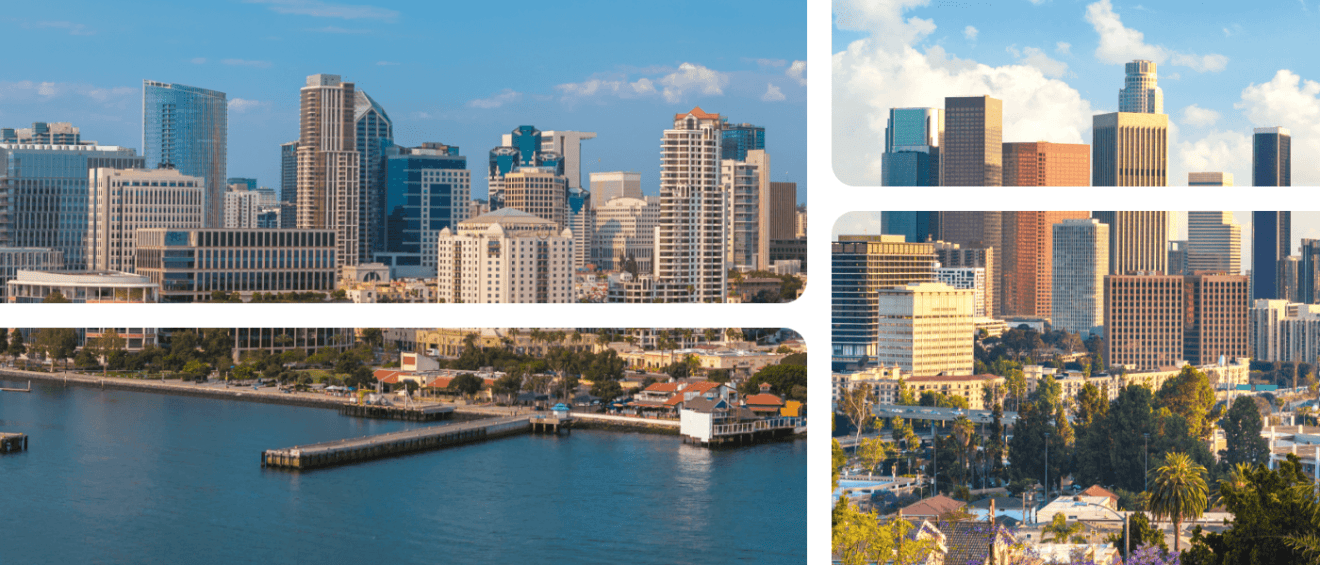
San Diego vs. Los Angeles: Which city fits your renter budget?
Los Angeles and San Diego share a coastline, a climate and a reputation for expensive rent, but the day-to-day cost of living in each city…
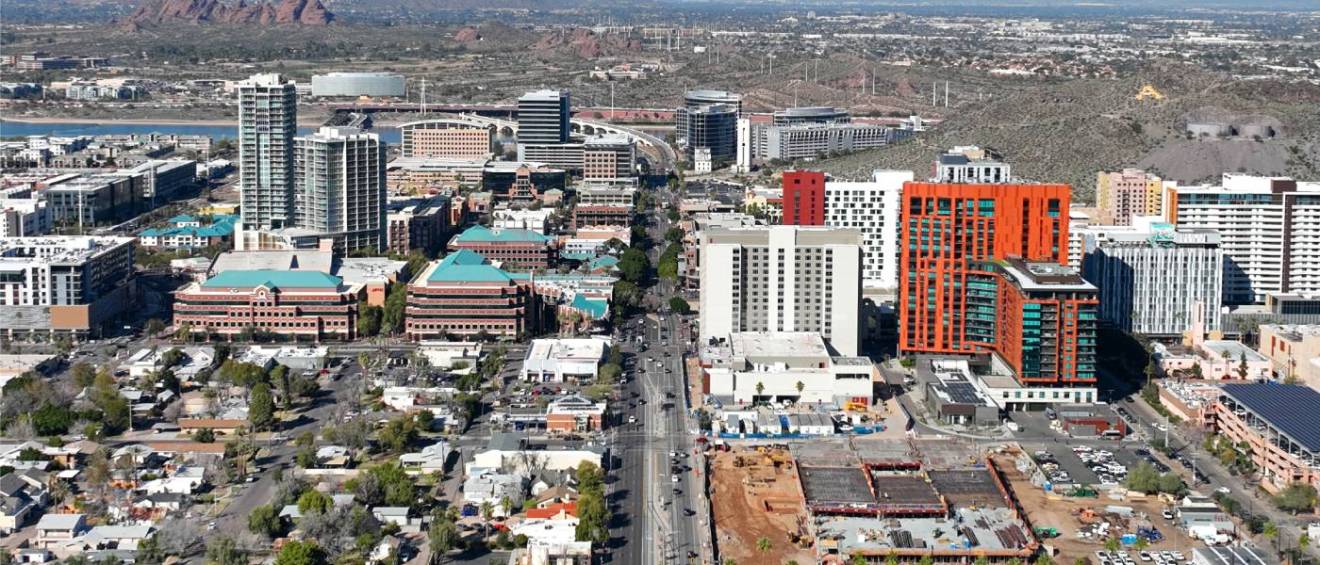
Tempe, AZ on a budget: The most affordable neighborhoods to call home
Tempe is the kind of city where college-town energy meets serious career infrastructure. It’s home to Arizona State University, one of the largest universities in…

Finding an apartment for a new job: How to nail your search on a tight deadline
Landing a new job in a different city is exciting, but it comes with an immediate challenge: where are you going to live? Finding an…
Subscribe to
The Ready Renter newsletter