The best college towns in the U.S. for 2026: Bozeman, MT, leads for 3rd straight year
Share this article:


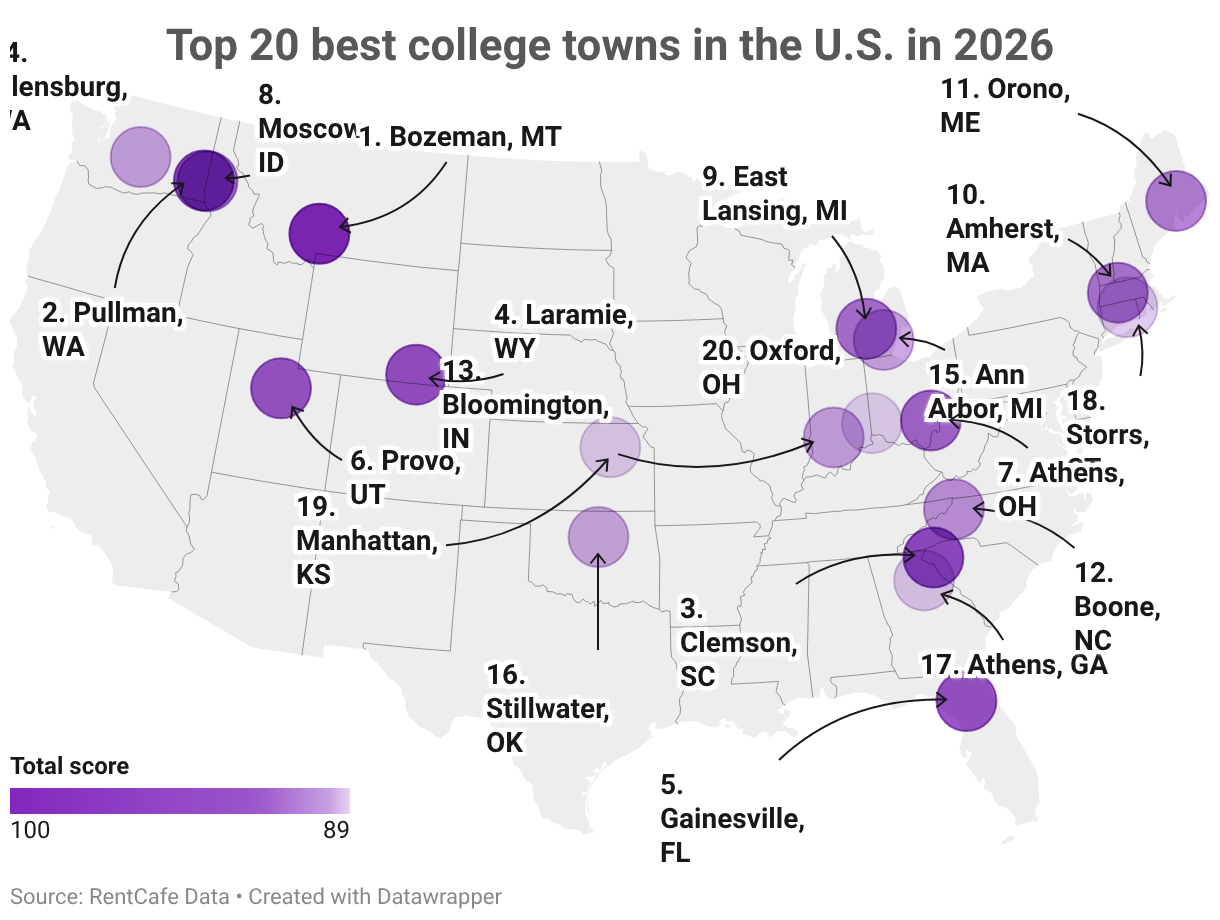
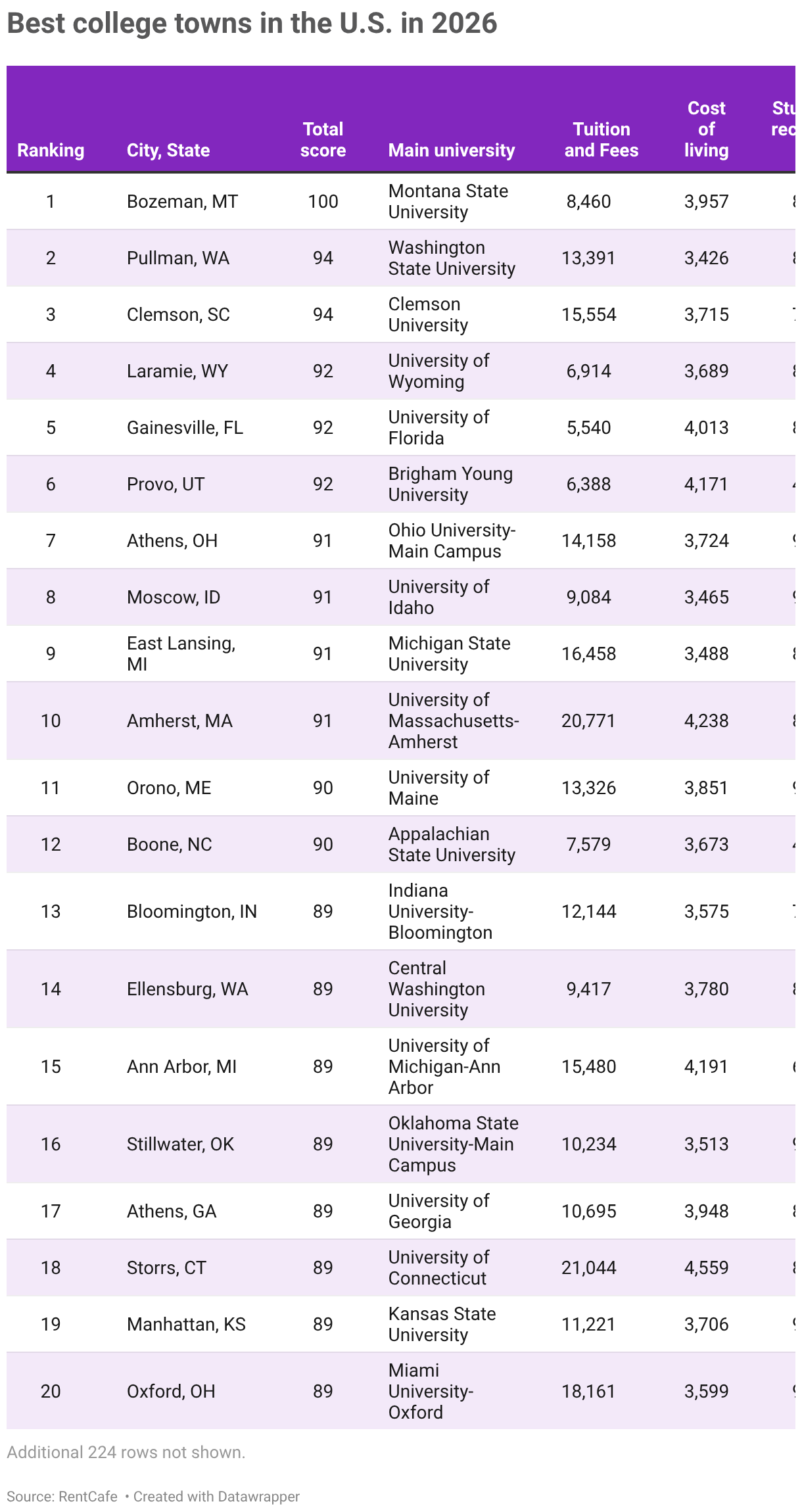
Bozeman, MT, ranks as the best college town in the U.S. for the third consecutive year in RentCafe’s 2026 analysis of 244 towns. It’s followed by Pullman, WA, and Clemson, SC. Three new entries also join the top 10 in 2026 — Laramie, WY (No. 4); Athens, OH (No. 7); and Amherst, MA (No. 10) — while Western cities continue to dominate with five of the top 10 spots.
Key takeaways:
- Bozeman, MT, is crowned best college town in the U.S. for the third year in a row.
- Pullman, WA, holds the No. 2 spot for the third year running.
- Clemson, SC, climbs back to No. 3.
- Laramie, WY; Athens, OH; and Amherst, MA, are newcomers to the 2026 ranking for best college towns.
- Western cities dominate the top 10 with five of the top-ranked towns located in the West.
The best college towns of 2026 are waiting for you to start your academic journey. As you’re preparing for your high school graduation or perhaps making the decision to pursue further education, the thought of where you’re going to spend the next few years of your life is likely top of mind. It’s no surprise, then, that the town you live in is just as much a part of the experience as the college itself.
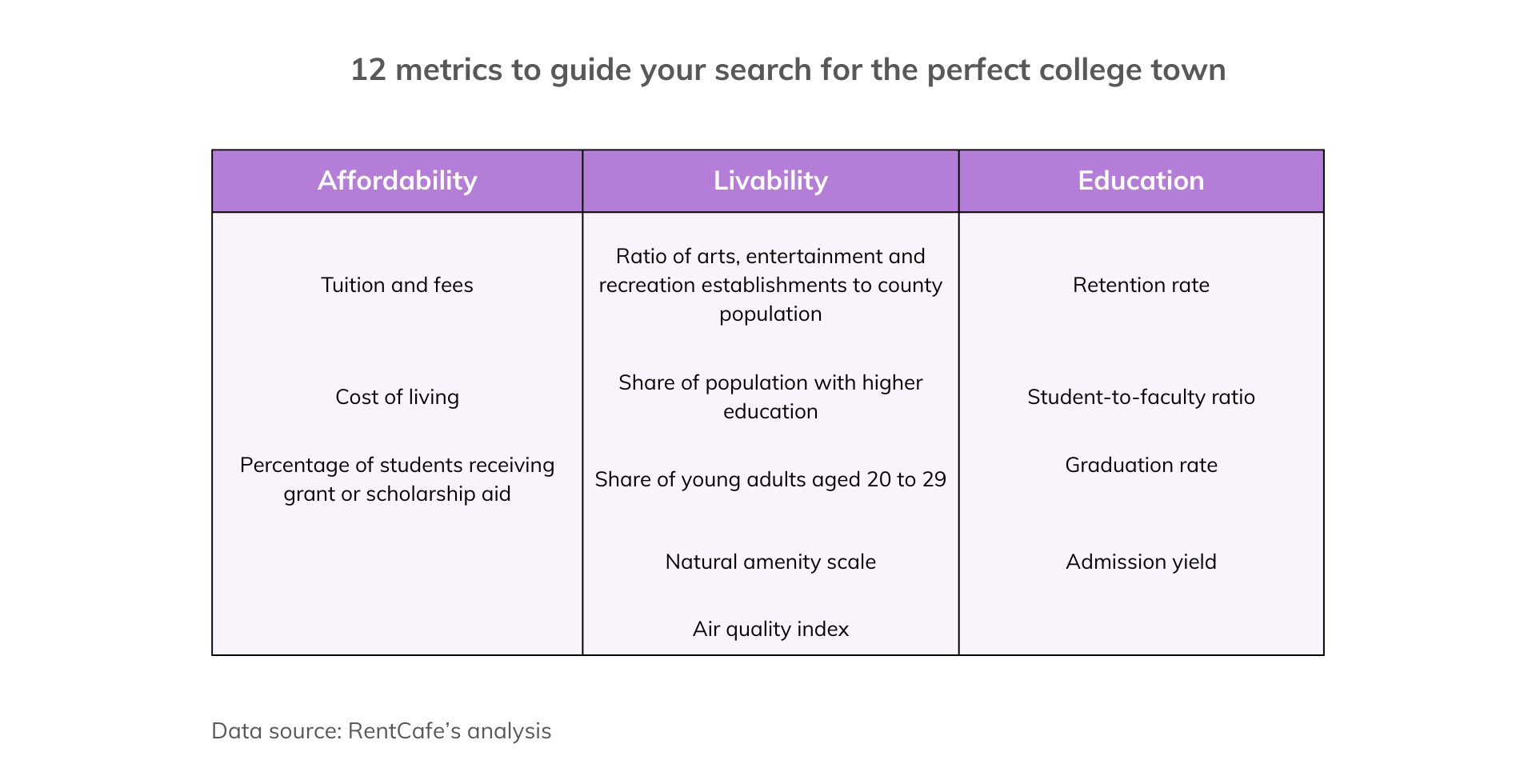
So, how can you know which town best suits your needs? We’ve done the work for you by taking into consideration what matters most to young people today, beyond the traditional rankings. Specifically, we analyzed 244 towns in the U.S. across key metrics that measure the quality of education, quality of life and overall affordability. Compared to rankings from previous years, we removed the potentially biased university score and included the retention rate for each institution, which is often considered a student happiness metric.
Who’s heading off to college & what do they want from the experience?
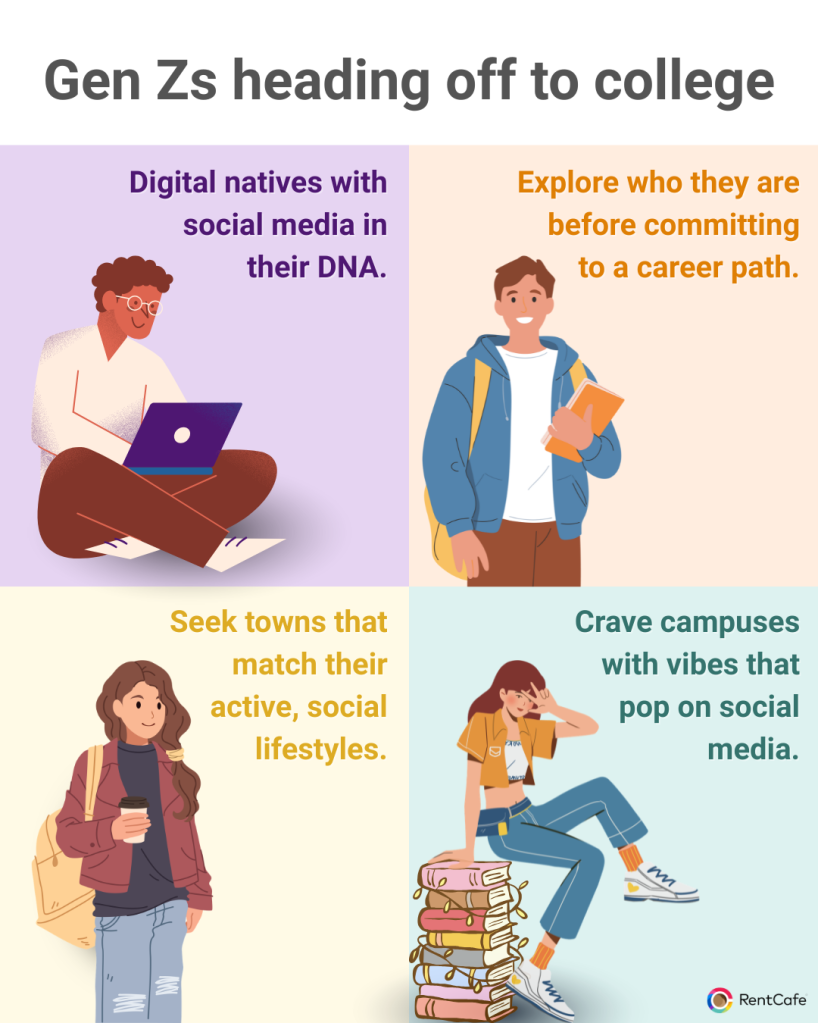
Most students enrolling in college in 2026 belong to Generation Z — digital natives who are reshaping the traditional path from education to career. This generation prioritizes quality of life and personal well-being by seeking to discover themselves before committing to a specific career path. Accordingly, when choosing a university, they focus on how well a program fits their needs, rather than relying on prestige alone.
Notably, Gen Zers spend more time than other generations on sports, wellness and social events. That means they search for universities with sports and social clubs, as well as for towns with venues for entertainment and fun events.
Meanwhile, having grown up online with social media at their fingertips, many Gen Zers aspire to be content creators. Therefore, they carefully weigh the aesthetic appeal of a campus, the livability of the surrounding town, and access to extracurriculars and a lifestyle that would lend themselves well to Instagram and TikTok content.
New entries to the top 10 best college towns in the U.S.
Laramie, WY, has had a spectacular rise in our ranking to secure the fourth spot after climbing 12 spots since last year, thanks to better student retention and graduation rates. Athens, OH, is another newcomer in the 2026 ranking, landing at No. 7 after a five-spot climb. Then, rounding out the newcomers is Amherst, MA — the only Northeastern town in our top 10.
The best college towns in the U.S. in 2026
The towns that rank well in our list reflect the values of Gen Zers, who want authenticity, identity and purpose. These towns are generally centered around one university with a strong presence as the town’s cultural engine. As such, they are extremely welcoming of students and give newcomers the impression of belonging in a community of peers.
Additionally, Gen Z is one of the most wellness-aware generations, thereby placing a great deal of emphasis on mental health and well-being. To that end, towns that rank well generally feel calmer and less overstimulating with a slower pace of living than major urban hubs, as well as with immediate access to nature.
Finally, these towns offer a perceived affordability that matters to Gen Z — a generation that’s wary of debt and overspending and interested in building financial security from very early on. With a lower cost of living than major coastal or large cities and lower tuition and fees than prestigious universities, these college towns offer the best of both worlds to college freshmen.
1. Bozeman, MT
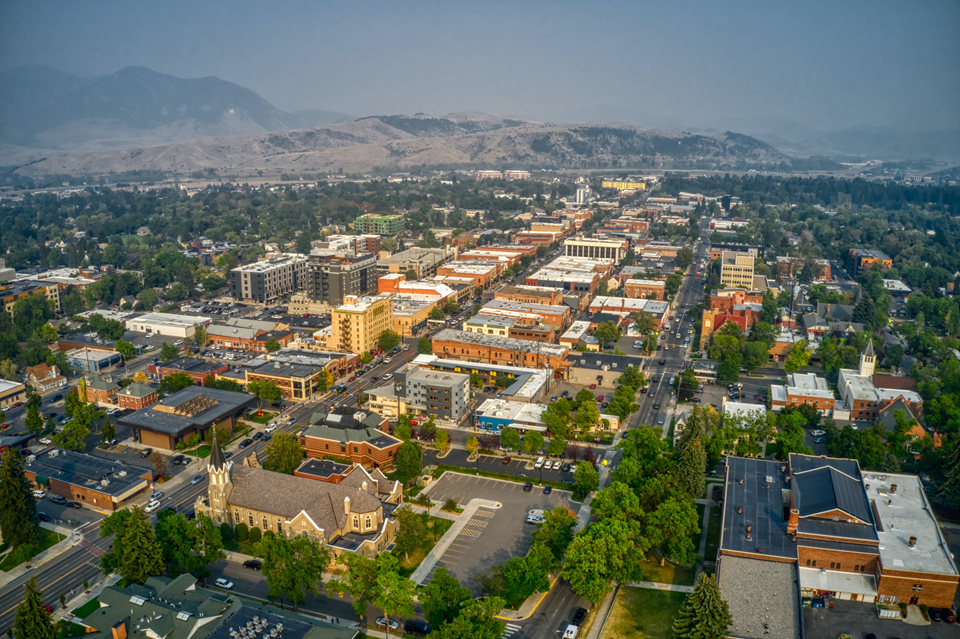
Ranks high thanks to:
- an abundance of cultural and natural amenities
- low tuition
- student life at MSU
Bozeman, MT, takes the crown for the third year in a row thanks to its blend of affordable education and good quality of life. Tuition at Montana State University is around $8,500 for in-state students, which is well below the national average of $18,396. At the same time, MSU places great emphasis on research and innovation with very strong programs in biotech and engineering. Bozeman is also a community where freshmen will find their peers due to the city’s higher-than-average share of young adults (37% of the population is aged 20 to 29) and of the population holding a higher-education degree (65%).
Wellness is key for many Gen Zers moving for college, and Bozeman answers this need as a college town located in the Rocky Mountains with easy access to Yellowstone and other natural amenities, in addition to the best air quality in our ranking. Here, locals and visitors can enjoy biking, hiking, and more, and its location near many other urban hubs means that travelling is easy.
2. Pullman, WA
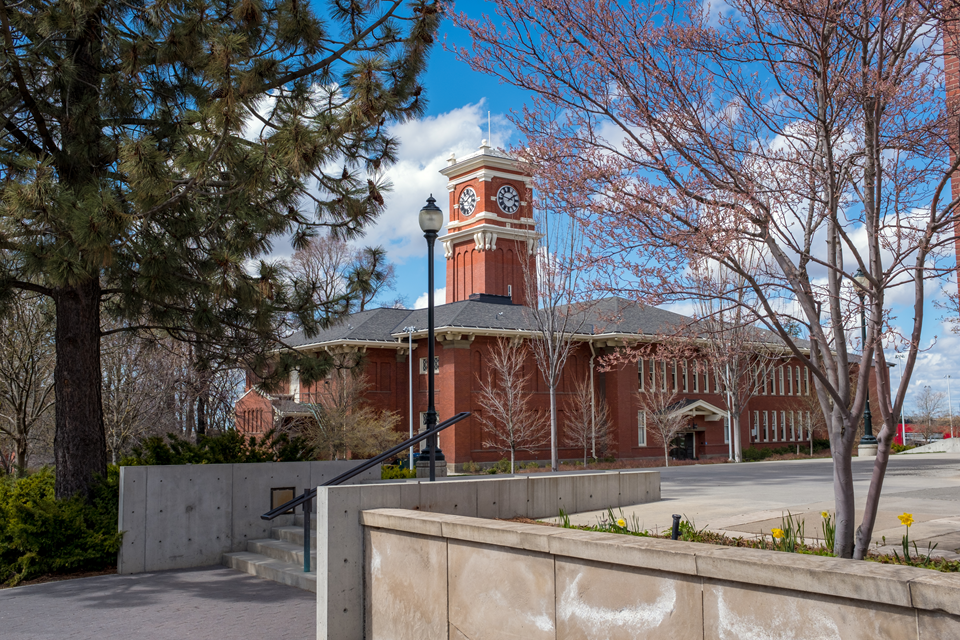
Ranks high thanks to:
- a young population
- low cost of living
- natural amenities & air quality
Ranked second on our list of best college towns for the third year in a row, Pullman, WA, is home to Washington State University’s flagship campus. The city has one of the lowest costs of living in our ranking: To live here, a student needs to pay an average of $3,426 per month. It’s also one of the most youthful towns with 46% of the population aged between 20 and 29 years old.
In this area, the tree-lined streets and gorgeous views that the campus offers its students are right up the alley of aesthetically oriented Gen Z, while the variety of professional programs and academic development options offer the freedom of choice that they want. Couple that with a high natural amenity scale and good air quality, and it makes sense why this city maintains its position on the podium.
3. Clemson, SC
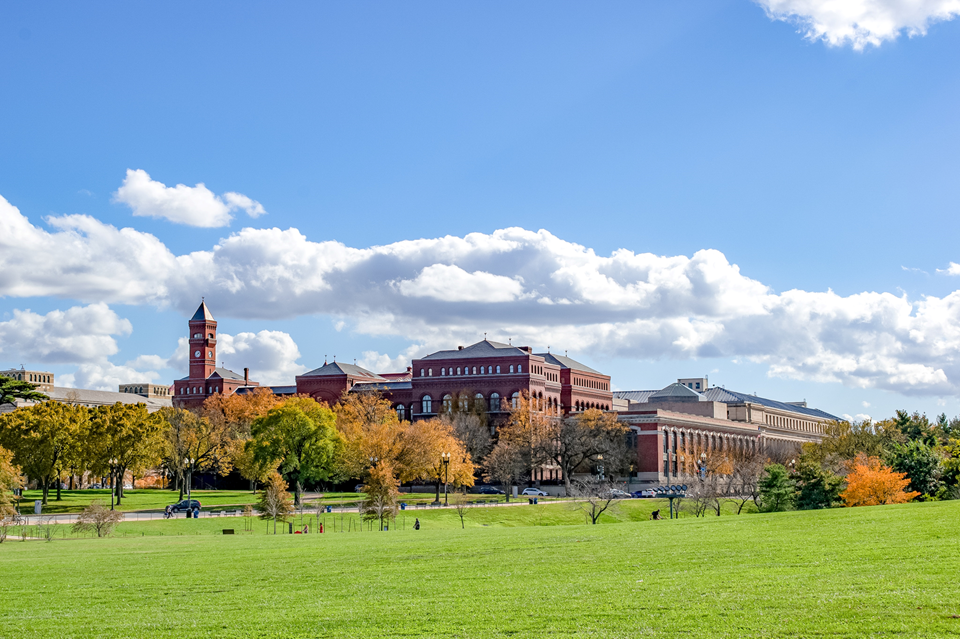
Ranks high thanks to:
- student happiness
- a traditionally beautiful campus
- a community of peers
Clemson, SC, has climbed back to its position amid the top three best college towns in the U.S., despite a decline in its ranking in 2025. The city is home to Clemson University, which has one of the highest retention (93%) and graduation (87%) rates in our top 10. That means that students who start their academic journey here stick around and see it through.
The freshmen who come here are charmed by the traditional, picturesque campus with tall, old oak trees and redbrick buildings. What’s more, they find a community of peers as Clemson is the second-youngest college town on our list with 51% of the population aged between 20 and 29 years old.
4. Laramie, WY

Ranks high thanks to:
- quality, affordable education
- immediate proximity to nature
- various arts and entertainment establishments
Having climbed 12 positions compared to last year, Laramie, WY, ranks No. 4 thanks to its blend of affordable education and livability. For instance, tuition and fees at the University of Wyoming are much lower than the national average at around $6,914 for in-state students, and the colleges offer a variety of programs and dozens of organizations for students to live their best lives.
As a quiet, mountain college town, Laramie has a great natural amenity rank, as well as a high number of arts and entertainment establishments relative to its population. This makes it a very attractive destination for Gen Zers who are looking for a serene background for their college years.
5. Gainesville, FL
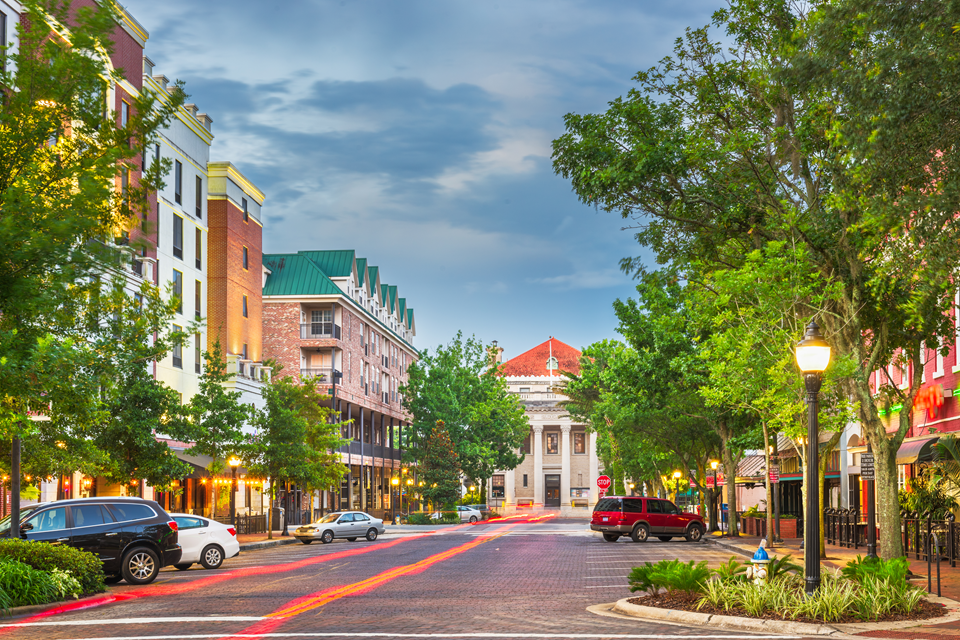
Ranks high thanks to:
- an affordable education
- an urban aesthetic
- a young population
After a two-spot decline compared to last year’s ranking, Gainesville, FL, ranks No. 5 among the best college towns in the country in 2026. The largest of our top-ranking cities, this Florida gem is home to a highly ranked institution, yet it still offers affordable education with the University of Florida posting the lowest average tuition and fees in our top 10 ($5,540 for in-state students).
Furthermore, as a larger city, Gainesville offers an urban feel and hosts a more extensive community, yet still ranks well for livability with a good natural amenity rank and air quality. It’s also home to many businesses and has a strong startup ecosystem, meaning graduates can launch their careers without leaving town.
6. Provo, UT
Ranks high thanks to:
- quality education
- various recreation activities
- natural amenities
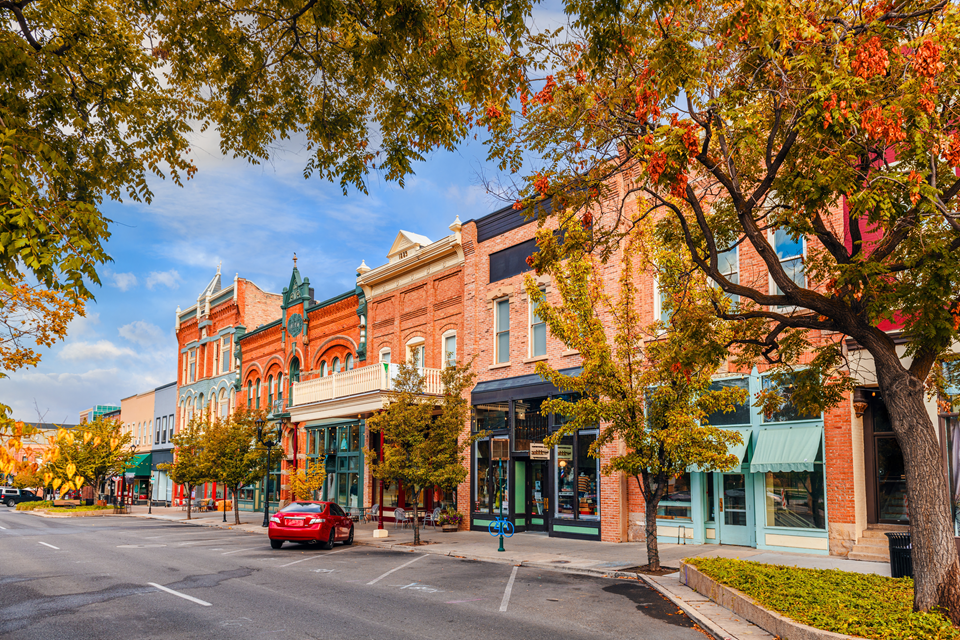
Provo, UT, rose two spots to the sixth position in this year’s ranking. Provo is home to Brigham Young University, a highly valued institution that has one of the highest yield rates (74.5% of admitted students choose to enroll), a graduation rate of 77% and a retention rate of 51%. These numbers suggest that BYU is a highly desirable school.
At the same time, the academic presence is strongly felt in the town itself, which has the highest share of young residents in our ranking (53%). Thus, with a good natural amenity rank and plenty of arts and entertainment establishments, Provo is a go-to destination for many Gen Zers who are looking for a good, affordable education and quality of life.
7. Athens, OH
Ranks high thanks to:
- a well-educated young population
- diverse recreational opportunities in nature
- a lively campus experience
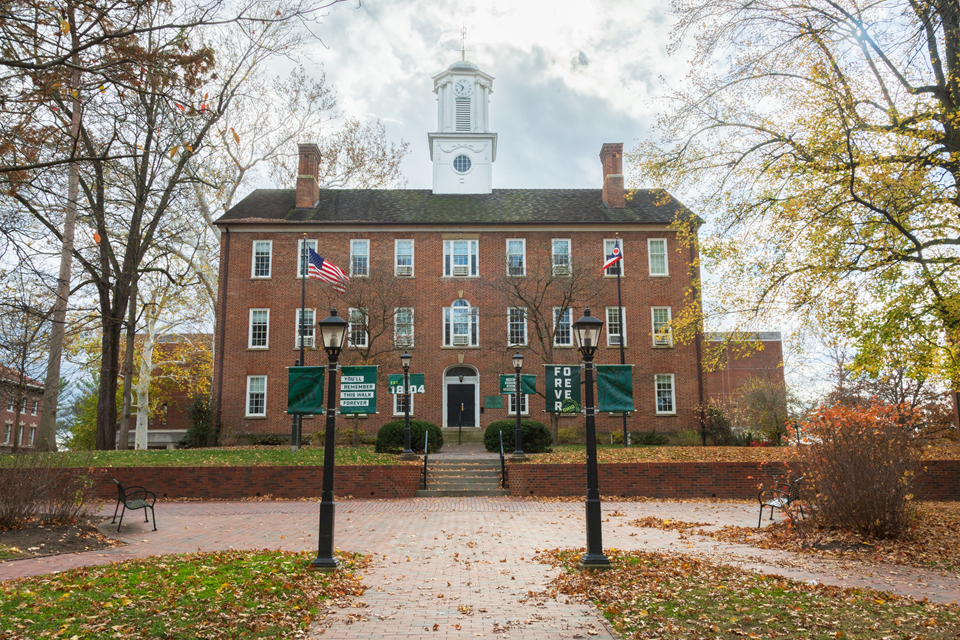
A newcomer in our top 10 and the first Midwestern city to make an appearance, Athens, OH, is a great example of the type of college town that Gen Z is after, as evidenced by the high share of young residents (46%) and the percentage of people with higher-education degrees (67%). It’s home to Ohio University and is a community-oriented space with exciting events and creative energy. It’s also located in Appalachian Ohio, so students have easy access to forests, trails, rivers and rolling hills.
Athens welcomes students and the university offers a wide range of academic offerings and a lively campus experience. That’s likely why it sees a high retention rate (84%) as the university blends modern opportunities with tradition and fun.
8. Moscow, ID
Ranks high thanks to:
- affordable cost of living
- beautiful campus
- quality education at lower costs
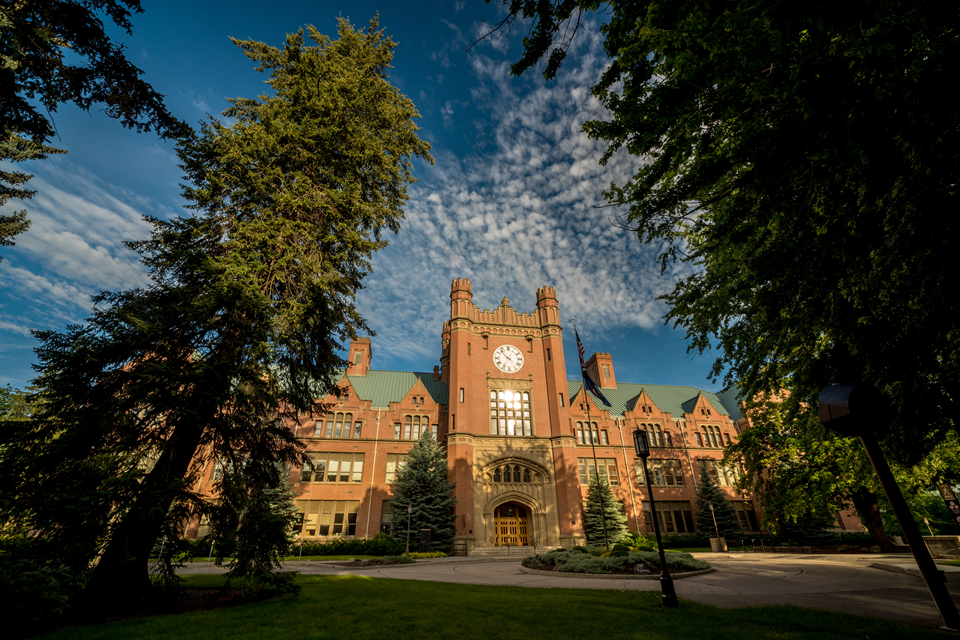
Moscow, ID, is a college town that’s centered around the University of Idaho’s flagship campus, which aligns with Gen Z’s aesthetic preferences. Considered one of the most beautiful colleges in the state, this campus is home to lush botanical gardens and arboreta, as well as many fraternities and sororities.
Besides its beauty and livability, Moscow climbed in our rankings thanks to its overall affordability, which is a core value of the financially conscious Gen Z: With a below-average in-state tuition of around $9,000 and a relatively low cost of living of $3,465, Moscow, ID, is a great destination for students.
9. East Lansing, MI
Ranks high thanks to:
- a welcoming community of well-educated young residents
- relative affordability
- quality education
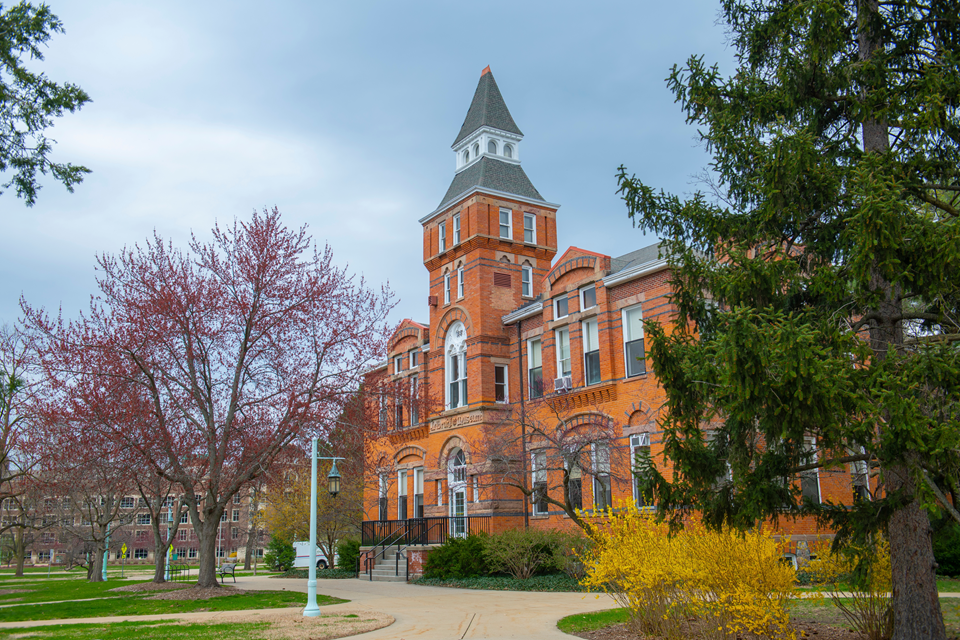
Home to Michigan State University, East Lansing ranks No. 9 thanks to its overall affordability and quality of education. The town also has a young population with 43% of residents aged between 20 and 29, and a large percentage of highly educated residents (67%). Moreover, the average cost of living in East Lansing is below the national average at around $3,488.
With a great retention rate (90%) and a graduation rate of 81%, the institution is a desirable college for many, offering a good college experience and professional opportunities.
10. Amherst, MA
Ranks high thanks to:
- student happiness
- quality education
- entertainment establishments
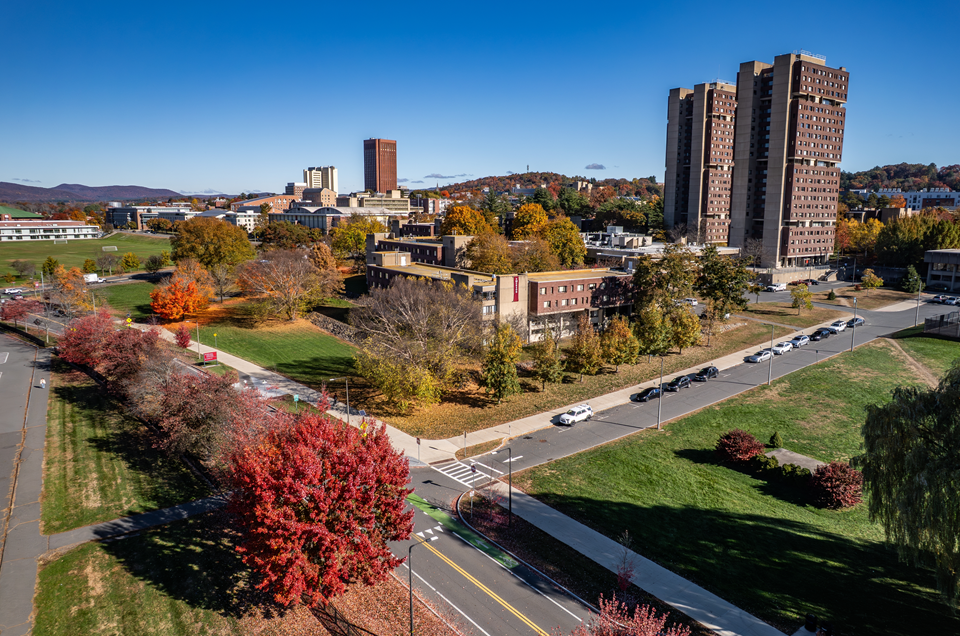
A newcomer in the 2026 ranking and the only Northeastern town to make the list this year, Amherst, MA, is an intellectual hub that’s home to the University of Massachusetts and a highly educated population (74% of residents have a higher education degree). The university also has a high retention rate of 92% and a graduation rate of 84%, preparing graduates for careers across a wide range of fields.
Despite a relatively high cost of living, Amherst offers newcomers a wealth of arts and entertainment establishments and a sense of community enriched by strong student vibes.
Western cities still dominate best college towns ranking
The best college towns in the U.S. in 2026 are largely Western cities with five of the top 10 best-ranked towns located in this region. Otherwise, the top 10 is completed by two Southern cities, two Midwestern cities and only one Northeastern entry. We see this trend continuing from previous years as Gen Z migrates more toward places that offer not only a great academic experience, but also an affordable, quality lifestyle.
FAQs: Best College Towns in the U.S. in 2026
Q: Which town ranks as the best college town in the U.S. in 2026?
A: Bozeman, MT, takes the crown for the third year in a row by offering affordability, strong academics and stunning natural surroundings.
Q: Which new towns entered the top 10 this year?
A: Laramie, WY; Athens, OH; and Amherst, MA, are the latest additions to the top 10 best college towns.
Q: Which regions dominate the 2026 ranking?
A: Western towns lead the list with five of the top 10 best college towns located in this region.
Q: Which towns rank highest by region?
A: Bozeman, MT, leads the West; Athens, OH, tops the Midwest; Amherst, MA, ranks first in the Northeast; and Clemson, SC, takes the South.
Methodology
RentCafe.com is a nationwide apartment search website that enables renters to easily find apartments and houses for rent throughout the United States.
For this study, RentCafe’s research team analyzed relevant data using 12 metrics in three categories to rank the best college towns in the U.S. We defined college towns as towns with a population between 10,000 and 300,000, and with a minimum student population of 10%, based on U.S. Census data (292 towns). We then eliminated towns without colleges/universities or if the colleges present had fewer than 3,000 students enrolled. We included only degree-granting institutions with more than 1,000 students enrolled. We also eliminated towns where data was not available for all of the categories. The final list included 244 candidates to enter the analysis.
For the category of affordability, we considered data on:
- tuition and fees (12% weight)*
- the percentage of students receiving grants or scholarships (7% weight)
- the cost of living at the county level (12% weight)*
For the category of livability, we considered data on the:
- ratio of arts, entertainment and recreation establishments per 1,000 people (8% weight)
- share of population older than 25 with a bachelor’s degree or higher (8% weight)
- share of young adults aged 20 to 29 (8% weight)
- county level of natural amenity rank (8% weight)
- air quality at the county level (8% weight)*
For the category of education, we considered data on:
- retention rate (8% weight)
- student-to-faculty ratio (8% weight)*
- graduation rate (8% weight)
- percentage of students enrolled of those who were admitted (5% weight)
* Categories with inverse weighting: The higher the numbers, the lower the corresponding score.
Data sources:
- The National Center for Education Statistics (tuition and fees; percentage of students receiving scholarships; student-to-faculty ratio; graduation rate; and admissions yield)
- U.S. Environmental Protection Agency (air quality)
- USDA (natural amenity rank)
- U.S. Census (population, share of young adults; number of arts, entertainment and recreation establishments; share of population with a higher-education degree)
- Economic Policy Institute (cost of living)
In towns with more than one university, a weighted average was calculated based on total enrollment for the following categories: tuition, scholarships, student-to-faculty ratio, graduation rate and admission rate. For the final ranking, the city that obtained the highest total score was awarded 100 points and all total scores of the following cities were adjusted accordingly.
Fair use & redistribution
We encourage and freely grant you permission to reuse, host, or repost the research, graphics and images presented in this article. When doing so, we kindly ask that you credit our research by linking to RentCafe.com or this page so that your readers can learn more about this project, the research behind it and its methodology. For more in-depth, customized data, please contact us at media@rentcafe.com.
Share this article:


Mihaela Buzec
Mihaela Buzec is a senior writer, researcher, and online content developer for RentCafe, where she has over 7 years of experience writing about the real estate industry. She authors important resources such as the statistics pages describing generational patterns and renter's guides that help renters in their journey. Her work has appeared in publications such as Apartment Therapy, Indy Star, and Investopedia.
Mihaela is a published researcher who is active in academia as well. She holds a BA in English, an MA in linguistics, and a PhD in neurolinguistics.
Sign up for The Ready Renter newsletter
Get our free apartment hunting guide — plus tips, trends and research.




Related posts

RentCafe Internet connects you to high-speed WiFi and entertainment services in one place
RentCafe partners with leading internet providers to bring reliable internet, streaming and mobile options directly to renters. Applicants and residents can browse and activate available…

How to break a lease without wrecking your finances or your record
Life changes fast. A new job across the country, a growing family, or an unexpected health situation can all make your current apartment feel like…

From dorm to lease: A step-by-step guide to the first apartment rental process
The first apartment rental process is your transition from shared dorm living to renting a place that’s fully yours. It involves setting a realistic budget,…
Subscribe to
The Ready Renter newsletter