
Upcycled furniture: A smart way to furnish your apartment on a budget
Share this article:


Picture this: you’ve just signed the lease on a new apartment, but it comes unfurnished. With the moving fees and deposit, your budget leaves little wiggle room for the essential pieces to make your apartment comfortable.
Enter upcycled furniture: a practical, budget-friendly solution that transforms old pieces into stylish, personalized additions to your home. This approach helps you save money, reduce waste, and create a space that reflects your personality, all without making permanent changes that could cost you your security deposit.
For renters seeking both flexibility and affordability, upcycling can be a complete game changer. Let’s dive deeper into it.
Key takeaways:
- Upcycled furniture breathes new life into old items, often at a lower cost than buying new pieces.
- It reduces waste and supports sustainability, addressing growing environmental concerns.
- Renters can personalize their space without renovations or lease violations.
- Only upcycle furniture you own, not items provided with your apartment, unless you have clear permission.
What is upcycled furniture?
Upcycled furniture takes old, used, or discarded items and transforms them into functional, attractive pieces. Rather than discarding a worn or outdated piece, you repair, paint, re-stain, or redesign it to create something entirely new.
Consider these transformations:
- Converting an old wooden ladder into a unique bookshelf.
- Refinishing a thrift store dining table with modern paint and hardware.
- Transforming wooden crates into stylish storage cubes.
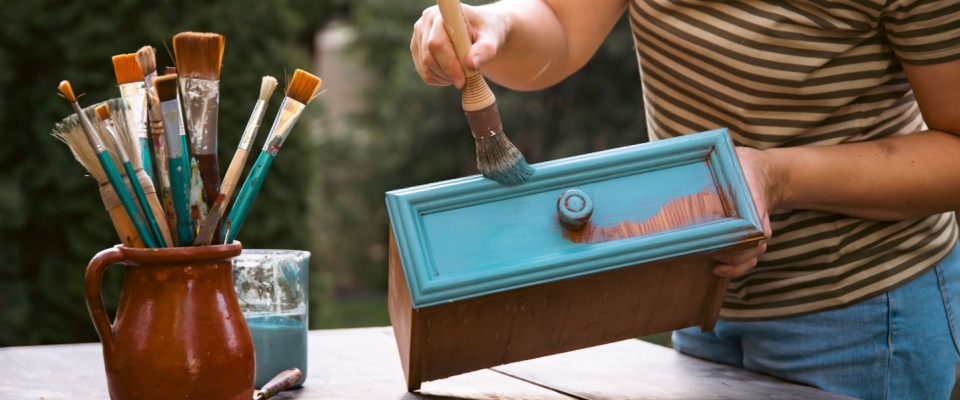
The key difference between upcycling and simple repairs lies in the improvement. While you’re fixing something older, you’re also upgrading its appearance, function, or both.
Upcycling vs. recycling: What’s the difference?
While these terms sound similar, they represent different approaches to reusing materials.
Recycling breaks materials down into their basic components for remanufacturing. For example, old wood becomes composite boards; metal parts get melted down and reformed into new products.
Upcycling keeps the original item’s structure while improving its appearance or function. You’re working with what exists rather than starting from scratch.
Upcycling usually requires less energy than recycling because you skip the manufacturing step. That’s one reason upcycled furniture is often considered more environmentally friendly.
Why does upcycled furniture make sense for renters?
Unique style
Generic apartments cry out for personality, but lease restrictions may limit your options. When you can’t paint walls or renovate, furniture becomes your primary design tool. Upcycled pieces add character and visual interest that mass-produced items often lack.
Sustainable living
Some renters increasingly prioritize sustainability. Choosing upcycled furniture keeps usable items out of landfills while reducing demand for new manufacturing.
Control and flexibility
Because you own the piece, you can modify it as you like. You can repaint it again later, sell it, or take it with you when you move to the next apartment.
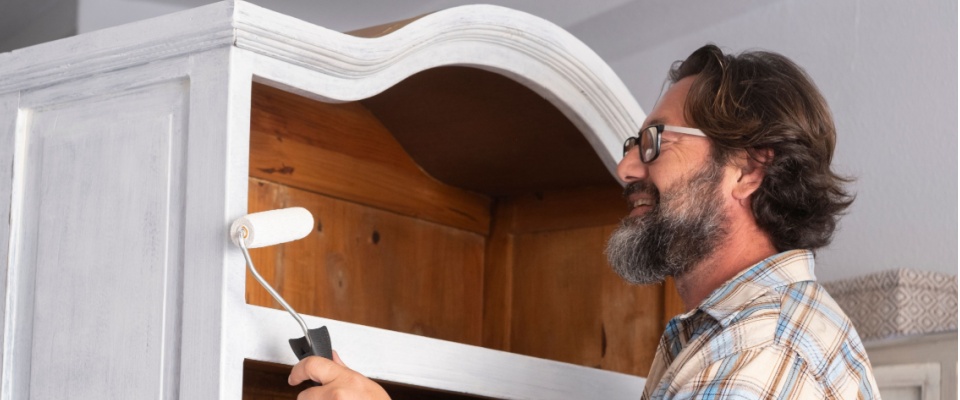
A quick reminder: Don’t upcycle what isn’t yours
If your apartment includes furnished pieces, treat them as temporary property. Altering them without your landlord’s approval could lead to fees when you move out.
Upcycling works best when you start with furniture you purchased yourself. So, before starting any project, double-check ownership.
Upcycled vs. new furniture: How to decide
If you’re choosing between upcycled furniture and buying new, focus on these practical factors.
Cost comparison
New furniture can be convenient but varies widely in price and quality. If you go for budget pieces, they cost less initially but may not last long.
Upcycled furniture often starts as a low-cost secondhand item. Even after supplies like paint or hardware, the total investment can remain lower. Plus, quality upcycled pieces, especially solid wood items, deliver better long-term value at comparable or lower initial costs.
Durability and materials
Vintage furniture was built during an era that prioritized longevity over cost-cutting. Many older dressers, tables, and chairs were designed to last decades with proper care.
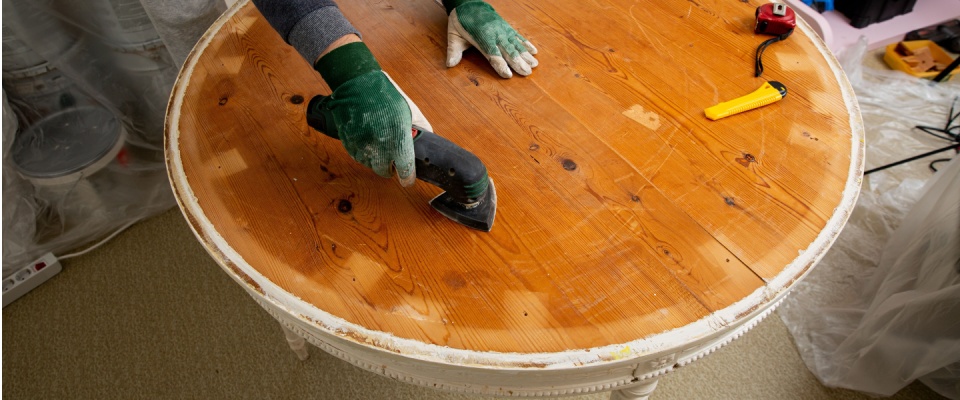
Modern budget furniture prioritizes convenience and low prices, sometimes at the expense of durability.
Time and effort
New furniture arrives ready to use immediately. Upcycling requires time, tools, and workspace. If you lack DIY enthusiasm or apartment space for projects, buying new furniture may be more practical.
The choice depends entirely on your budget, schedule, skills, and style preferences. Many renters mix upcycled furniture with new items to balance convenience and personality.
Where can you find upcycled furniture?
You can either create your own projects or buy from someone who already did the work.
Here are some options you can check:
- Facebook Marketplace
- Local thrift stores with refurbished sections
- Estate sales
- Small independent furniture shops
- Garage sales
Before purchasing, inspect the structure carefully. Check joints, stability, and surface damage. Also, measure your space carefully to ensure it fits through doorways and stairwells.

Upcycled furniture offers renters a practical way to furnish their homes affordably while reducing waste. It gives you design flexibility without breaking lease rules or spending heavily on brand-new items.
Ready to start? Begin with one small piece like a side table or bookshelf and experience firsthand how upcycled furniture can transform your space.
And remember: respect your lease, protect your security deposit, and focus your creativity on pieces you own.
Share this article:


Roxana Nica
Roxana Nica is a senior real estate writer with RentCafe and ResidentShield, bringing over six years of experience in crafting digital content across various consumer industries, including fashion and interior furnishings. She develops resources that address the everyday needs of renters, from smart living tips to navigating residential services. Roxana holds a B.A. in International Relations and an M.A. in Advertising.
Sign up for The Ready Renter newsletter
Get our free apartment hunting guide — plus apartment living tips, trends and research.




Related posts
Upcycled furniture: A smart way to furnish your apartment on a budget
Picture this: you’ve just signed the lease on a new apartment, but it comes unfurnished. With the moving fees and deposit, your budget leaves little wiggle room for…

Renewable electricity explained: Why it matters for renters
Every time you flip a light switch, charge your laptop, or turn on the air conditioning, you’re using electricity that comes from somewhere. Increasingly, that power comes from renewable…

10 Fun and easy tips for sustainable living in Denver
Sustainable living in Denver is a breeze, and it’s way more fun than you might think! The Mile High City is going green — and making…
Subscribe to
The Ready Renter newsletter