
Share this article:


Every time you flip a light switch, charge your laptop, or turn on the air conditioning, you’re using electricity that comes from somewhere. Increasingly, that power comes from renewable sources, meaning natural resources like sunlight, wind, and water that never run out.
Understanding renewable electricity means understanding how to potentially lower your utility bills and access better apartment amenities. Here’s what you should know.
Key takeaways:
-
- Renewable electricity comes from natural sources like solar, wind, and water power that don’t run out.
- Many apartments now offer renewable electricity through green energy plans or community solar programs.
- Renewable energy may support long-term price stability and may influence the apartment features of the future.
What is renewable electricity?
Renewable electricity comes from energy sources that naturally replenish themselves. Unlike coal or natural gas, which get used up, renewable sources keep producing energy indefinitely.
The main types of renewable electricity in the United States include:
- Solar power – Energy captured from sunlight using solar panels
- Wind power – Electricity generated by wind turbines
- Hydropower – Energy produced by moving water, typically from dams
- Geothermal energy – Heat captured from beneath the Earth’s surface
- Biomass energy – Power generated from organic materials like plant waste

These sources feed electricity into the same power grid that supplies your apartment. When you choose a renewable energy plan, your utility company uses cleaner energy sources to match your usage, even though the actual resources flowing to your outlets come from the shared grid.
Renewable vs. non-renewable resources
Here are the main differences between renewable and non-renewable energy resources:
Renewable resources
- Come from natural, replenishing sources.
- Produce little or fewer emissions.
- Have no fuel cost once systems are built.
Non-renewable resources (coal, natural gas, oil, nuclear energy)
- Come from limited fuel sources.
- Produce greenhouse gases and air pollutants.
- Include ongoing fuel costs, which can impact prices.
How does renewable electricity work for renters?
You don’t need to install solar panels on your roof to access renewable power. As a renter, you may have various options.
Green energy plans
Most utility companies now offer plans that source your electricity from renewable projects. You simply call your utility company and switch plans. No new wiring or equipment is needed in your apartment.
Community solar programs
Such programs let renters subscribe to a shared solar project, often located elsewhere in your region. You receive credits on your electric bill based on your share of the solar energy produced.
Check whether this may be available at your location.
Building-wide renewable contracts
Some property owners purchase renewable energy for entire apartment complexes, covering common areas or even individual units.
The electricity still flows through the same grid and outlets in your apartment. You’re simply choosing to support greener energy production with your monthly payments.
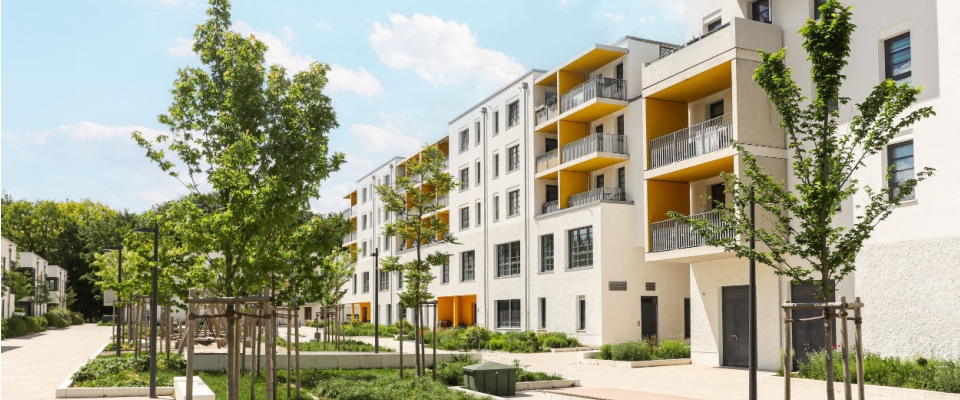
Why does renewable electricity matter for renters?
You may wonder why renewable electricity matters when you don’t own property. The reality is that electricity choices directly affect your costs, health, and housing options.
Potential bill stability
Traditional electricity prices fluctuate when fuel costs rise. Renewable electricity, particularly solar and wind, has no ongoing fuel costs once the systems are built. This can help stabilize electricity prices over time. While some renewable plans may cost slightly more upfront, many markets may now offer competitive pricing.
Better apartment features and amenities
Some property managers can market energy-efficient buildings, solar installations, and sustainability programs as attractive building amenities.
When renters prioritize green energy options, building owners respond by investing in cleaner power solutions, modern insulation, and smart energy systems that benefit all residents.
Alignment with energy market trends
Renewable electricity represents a rapidly growing share of U.S. power generation. Some utility companies add renewable capacity. For renters planning to stay in an area for several years, these trends may influence long-term electricity reliability and affordability.
How to find renewable electricity options
If you’re interested in renewable electricity, start with these steps:
- Contact your utility company to ask about green energy or renewable plans available in your area.
- Ask your property manager whether your building participates in community solar or renewable energy programs.
- Compare energy providers if you live in a state with deregulated electricity markets (like Texas, Pennsylvania, or Ohio).
- Search for apartments that advertise energy efficiency, solar power, or sustainability features.
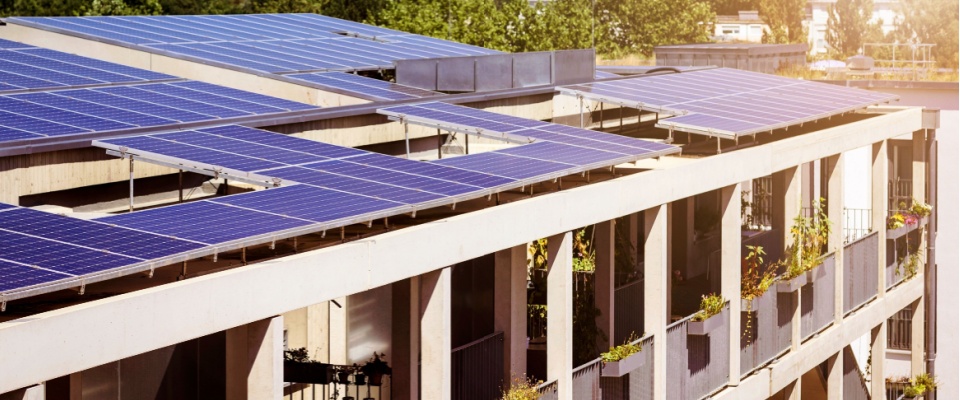
The electricity running your lights, charging your devices, and cooling your apartment is increasingly coming from renewable sources like wind and solar.
By understanding how renewable energy works and exploring available options, you can make informed decisions about your energy use without changing apartments or signing new leases.
Share this article:


Roxana Nica
Roxana Nica is a senior real estate writer with RentCafe and ResidentShield, bringing over six years of experience in crafting digital content across various consumer industries, including fashion and interior furnishings. She develops resources that address the everyday needs of renters, from smart living tips to navigating residential services. Roxana holds a B.A. in International Relations and an M.A. in Advertising.
Sign up for The Ready Renter newsletter
Get our free apartment hunting guide — plus useful renting tools, trends and research.




Related posts

Upcycled furniture: A smart way to furnish your apartment on a budget
Picture this: you’ve just signed the lease on a new apartment, but it comes unfurnished. With the moving fees and deposit, your budget leaves little wiggle room for…

Renewable electricity explained: Why it matters for renters
Every time you flip a light switch, charge your laptop, or turn on the air conditioning, you’re using electricity that comes from somewhere. Increasingly, that power comes from renewable…

Power outage guide: The essentials every renter should have ready
Power outages can happen almost anywhere: during severe storms, grid failures, heat waves, or even unplanned maintenance. For renters, knowing what to have in your apartment in…
Subscribe to
The Ready Renter newsletter