Share this article:


You’re in the market for a new apartment, but you’re having trouble deciding on the type of place to rent. Besides price, location, and amenities, you’ll also have to decide whether you want to live in a bigger or smaller building.
To help you with your apartment search, we prepared a brief description of the differences between high-rise and low-rise apartments. Plus, we put together the advantages of renting a high-rise or a low-rise unit, as well as the perks of living on a higher floor or lower floor.
What is a high-rise apartment?
Before diving into our comparison, let’s define what we mean by “high-rise apartment” and “low-rise apartment.” In general, a high-rise refers to a residential building that exceeds a certain height or number of stories — but the exact definition can vary depending on the country or organization.
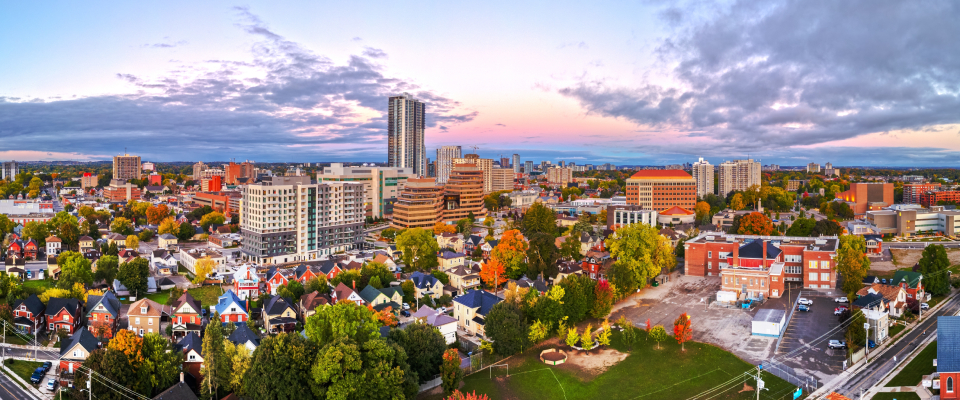
For example, in India, a building with 4 or more stories is considered a high-rise. In the U.S., the National Fire Protection Association defines a high-rise as any apartment building with at least 7 stories. Meanwhile, Yardi Matrix, a leading apartment market data provider and our sister company, classifies high-rise communities as those with 10 or more stories.
It’s also worth noting that once a building reaches a certain height — typically 40 to 50 stories — it’s no longer just a high-rise, but a skyscraper.

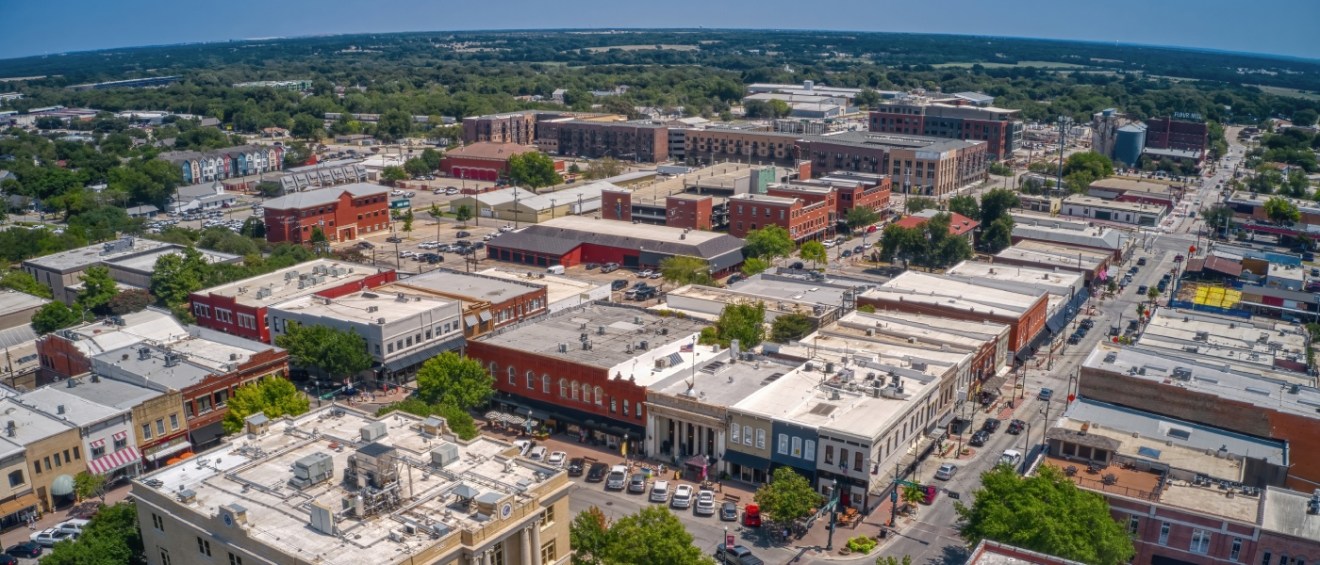
Also according to Yardi Matrix, low-rise buildings are apartment complexes that are up to 4 stories tall. In some parts of the country, these are commonly referred to as “garden-style apartments.”
You may also come across the term “mid-rise apartments,” which typically refers to buildings that are between 5 and 10 stories in height, falling between low-rise and high-rise categories.
High-rise vs. low-rise: Which is better?
Now that we have an idea of what high-rise and low-rise apartments are, let’s see which might be the right choice for you.
Advantages of high-rise apartments
• They offer the best views: If you want stunning views of, say, the Manhattan skyline, you’re only going to get that in a high-rise apartment. They also get more natural light.
• They are located in the city: If you work in the big city or simply love shopping and partying there, living in a high-rise apartment is the easiest way to cut down on your commute.
• They provide a doorman/security: Having a doorman, security, and other staff will make your life easier and safer. They put the ‘hi’ in high-rise apartments.
• They have elevators: If the thought of climbing five or more flights of stairs makes you cringe, no need to worry — high-rise apartments always have elevators, and most buildings offer multiple to reduce wait times.
• They offer more leasing options: If you’re looking for a flexible lease, like a month-to-month arrangement, you’re much more likely to find it in a high-rise. Furnished apartments are also commonly available in high-rise apartment buildings, making them a convenient choice for short-term or transitional renters.
• They have easier utilities and maintenance: Most high-rise apartments are already wired for cable, internet, and other essential services, making setup quick and hassle-free. Maintenance requests are often faster too, since they usually have an on-site property management office.

Advantages of low-rise apartments
• They are closer to the street: If you’re always on the go or living with an elderly or disabled person, you’ll appreciate the easier access that low-rise apartments provide. This convenience can be especially important during emergencies, such as a fire or medical situation.
• They have more amenities and parking: Unless you’re looking at luxury apartments, low-rise apartment communities often offer more amenities — like pools, clubhouses, and extra parking — making everyday living more convenient.
• They provide better access to green spaces: Low-rise apartments are much more likely to feature landscaped grounds, gardens, shade trees, walking paths, and other green features that appeal to nature lovers.
• They are located in residential areas: Low-rise apartments are typically found in quieter, outer residential neighborhoods. Though this may add time to your commute if you work downtown, you’ll likely enjoy less foot and vehicle traffic, cleaner air, and a stronger sense of community.
• They offer greater peace and privacy: While some people love the hustle and bustle of city life, others crave a bit of peace and quiet. Thanks to their location and smaller scale, low-rise apartments often offer more privacy and a calmer living environment.
• They may be cheaper and may offer negotiable rent: While low-rise buildings have fewer units, they’re often more affordable due to their location, and landlords are generally more open to negotiating rent.
Which floor should you live on?
The pros and cons laid out above come with one important caveat: Some of the advantages and disadvantages of a high-rise apartment can change depending on the floor you’re on.
For instance, living on the first floor of a high-rise provides equal, if not better, access to the street as you’d have on, say, the third floor of a low-rise. On the flip side, that first-floor apartment isn’t going to have the good views normally associated with taller buildings. If you’re on a higher floor, say the 30th, you may actually have more privacy, less noise, and cleaner air than the ground floor in a low-rise.
The perks of living on a higher floor:
• Better views
• More privacy
• More natural light
• Less noise
• Fewer insects
• Better ventilation
The perks of living on a lower floor:
• Easier street access
• Less walking/waiting
• Lower energy costs
• More green spaces in sight
Would you rather have a great view or more convenient access to your apartment? That’s something only you can decide. Browse apartments on RentCafe.com for a great selection of high-rise and low-rise rental communities in your area that fit your lifestyle and budget.
Share this article:


Nadia Balint
Nadia Balint is a senior creative writer for RENTCafé. She covers news and trends in residential and commercial real estate and their impact on our everyday life, including rental housing, for-sale housing, real estate development, homeownership, market reports, insurance, landlord-tenant laws, personal finance, urban development, economy, sustainability, and social issues. Nadia holds a B.S. in Business Management from Northeastern Illinois University in Chicago. You can connect with Nadia via email.
Nadia’s work and expertise have been quoted by major national and local media outlets, including CNN, CNBC, CBS News, Curbed, The NY Post, The Chicago Tribune, The Denver Post as well as industry publications, such as GlobeSt, Bisnow, Inman News, Multifamily Executive, and The Commercial Real Estate Show. Nadia also wrote for Multi-Housing News, Commercial Property Executive, HubSpot, and more. Prior to entering the real estate industry, Nadia worked in the legal field, where she gained over 10 years of experience in business, corporate, and real estate law.
Sign up for The Ready Renter newsletter
Get our free apartment hunting guide — plus renting tips, trends and research.




Related posts

Matching your apartment to your work, hobbies, and daily routine
Finding an apartment isn’t just about square footage or rent. It’s easy to get drawn in by polished photos, modern finishes, or a good deal,…

How to find affordable student housing in major U.S. cities
Moving to major U.S. cities as a student can be such an exciting challenge. While it generally means dealing with higher rents than in smaller…

Studio vs. 1-bedroom apartment: Which is better for a first-time solo renter?
Choosing between a studio vs. 1-bedroom apartment shapes your budget, comfort, and daily routine. First-time solo renters feel this impact the most because they’re managing…
Subscribe to
The Ready Renter newsletter