
Studio vs. 1-bedroom apartment: Which is better for a first-time solo renter?
Share this article:


Choosing between a studio vs. 1-bedroom apartment shapes your budget, comfort, and daily routine. First-time solo renters feel this impact the most because they’re managing rent, bills, and space alone.
Rent is usually your largest recurring expense. Even a moderate difference between a studio vs. 1-bedroom apartment can significantly impact your yearly housing costs. A one-bedroom may offer more comfort, but a studio can provide financial breathing room.
For a first-time solo renter, choosing a layout your first rental apartment is often about balancing freedom with financial stability.
What you should know before choosing:
- The decision between a studio or 1-bedroom apartment mostly comes down to budget and privacy.
- Studios cost less in rent and utilities in most U.S. cities.
- One-bedrooms offer separation between living and sleeping areas.
- First-time solo renters often choose studios to save money.
- Your daily routine and work-from-home needs matter just as much as price.
What is the difference between a studio and a 1-bedroom?
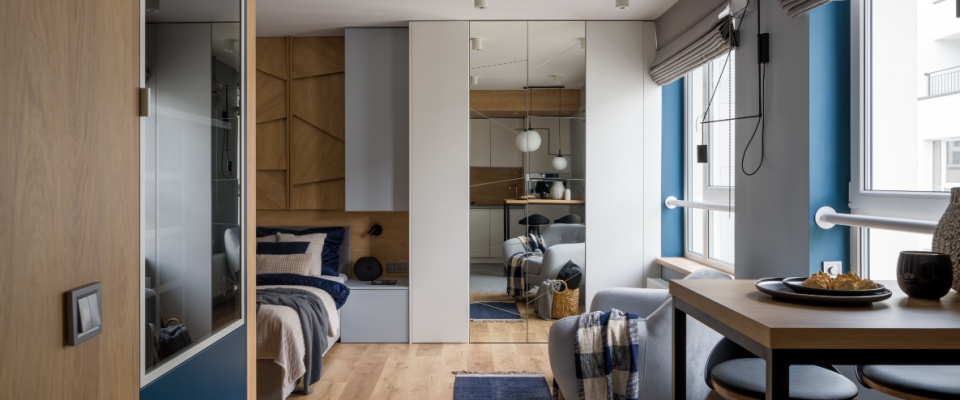
A studio is one open space that combines living, sleeping, and kitchen areas. A one-bedroom has a separate, enclosed bedroom.
Here’s a simple breakdown of the difference between studio and 1-bedroom layouts:
| Feature | Studio apartment | 1 bedroom apartment |
|---|---|---|
| Bedroom | Open layout | Separate enclosed room |
| Square footage | Smaller overall | Larger overall |
| Rent | Usually lower | Usually higher |
| Privacy | Limited | More privacy |
| Utilities | Often lower | Slightly higher |
When comparing a studio vs. 1-bedroom apartments, the biggest difference is layout and separation of space.
How much does a studio vs. 1-bedroom apartment cost?
Studios are generally cheaper than one-bedrooms in most U.S. rental markets.
While prices vary by city, here’s what first-time renters often see:
- Studios can cost 10% to 30% less than one-bedroom apartments in the same building.
- Security deposits may be lower for studios.
- Utility bills are often smaller because the space is smaller.
- Furnishing a studio usually costs less.
In most rental markets, a one-bedroom apartment rents for noticeably more than a comparable studio. The gap can be modest in smaller cities and wider in competitive urban areas.
When thinking about a studio vs. 1-bedroom apartment, calculate the following:
- Monthly rent
- Utilities (electric, gas, internet)
- Renters insurance
- Furniture costs
You can browse current listings to compare real-time prices in your area and see how much the difference between a studio and 1-bedroom apartment really is.
Is a studio apartment too small for a first-time solo renter?
For one person, a studio can be more than enough if you’re comfortable with open space living.
A studio apartment vs. 1-bedroom apartment often works well for solo renters who:
- Spend a lot of time outside the apartment.
- Work in an office rather than from home.
- Prefer minimal furniture.
- Want lower monthly expenses.
However, a studio may feel tight if you:
- Work from home full-time.
- Have frequent overnight guests.
- Own large furniture.
- Need a clear separation between work and sleep.
In the studio vs. 1-bedroom debate, space becomes more important if your apartment doubles as your office.
How does privacy compare in a studio vs. 1-bedroom apartment?
A one-bedroom offers more privacy because the bedroom has walls and a door. When you’re comparing
a studio apartment to a one bedroom, privacy plays out in small daily ways:
- In a studio, your bed is visible from the kitchen and living area.
- In a one-bedroom, you can close the door on clutter.
- Hosting friends feels easier in a one-bedroom.
- Couples visiting may feel more comfortable in a one-bedroom.
For first-time solo renters who value personal space or plan to host guests, the extra separation in a one-bedroom can make a big difference.
Which option is better for working from home?
A one-bedroom usually works better for remote work because it allows physical separation between work and rest.
In a studio vs. 1-bedroom apartment comparison for remote workers:
Studio pros:
- Lower cost
- Easier to clean
- Cozy setup
Studio cons:
- Desk may sit next to bed
- Harder to “log off” mentally
One-bedroom pros:
- Dedicated office corner in living room
- Bedroom stays work-free
- Better video call background options
If you’re starting your first job and working remotely, the difference between studio and 1-bedroom apartments could affect productivity and sleep quality.

What about lifestyle and long-term plans?
Studios are great for flexibility and saving money. One-bedrooms offer more room to grow.
Before signing a lease for either option, ask yourself:
- Are you planning to stay for one year or several?
- Are you expecting a partner or roommate to move in later?
- Do you want space for hobbies like gaming, music, or fitness?
For short-term renting, a studio vs. 1-bedroom apartment decision may lean toward the cheaper option. But if you plan to stay put for a few years, a one-bedroom might prevent the need to move again soon.
How should a first-time solo renter decide?
There are a lot of things to consider when deciding on your space. First, start with your budget, then think about your daily habits.
To make things easier, here’s a checklist to help you decide between a studio vs. 1-bedroom apartments:
Choose a studio if:
- You want to keep rent as low as possible.
- You live a minimalist lifestyle.
- You don’t work from home full-time.
- You prefer saving for travel, student loans, or an emergency fund.
Choose a one-bedroom if:
- You need privacy or quiet.
- You work from home often.
- You host friends or family regularly.
- You want clearer separation between sleeping and living space.
For many first-time renters, the smartest move is picking the option that keeps rent under 30% of your gross monthly income. Financial breathing room reduces stress and makes solo renting more manageable.
FAQ: Studio vs. 1-bedroom apartment
Q: Is a studio cheaper than a one-bedroom apartment?
A: Yes, in most U.S. cities, studios cost less in rent and utilities than one-bedrooms in the same area.
Q: Is a studio apartment good for one person?
A: A studio works well for one person who is comfortable with open layouts and wants lower monthly costs.
Q: What is the main difference between studio and 1-bedroom apartments?
A: The main difference between studio and 1-bedroom apartments is that a one-bedroom has a separate enclosed bedroom, while a studio combines all living spaces into one room.
Q: Should I get a studio or a 1-bedroom as my first apartment?
A: If your budget is tight, a studio is often the safer choice. If you need privacy or work from home, a one-bedroom may be worth the extra cost.
Q: Does a one-bedroom have better resale or rental value?
A: For renters, one-bedrooms often appeal to a wider range of future tenants, but studios can be easier to fill in high-demand urban areas.
Choosing between a studio vs. 1-bedroom apartment is one of the first big decisions you’ll make as a solo renter. Focus on what you can comfortably afford and how you live day to day. The right layout should support your budget, your routine, and your peace of mind.
Share this article:


Florin Petrut
Florin Petrut is a real estate writer and research analyst with RentCafe, using his experience as a social media specialist and love for storytelling to create insightful reports and studies on the rental market. With a strong interest in the renter experience, he develops data-driven resources that explore cost of living, affordable neighborhoods, and housing trends, helping renters make informed decisions about where and how they live. Florin holds a B.A. in Journalism and an M.A. in Digital Media and Game Studies.
Sign up for The Ready Renter newsletter
Get our free apartment hunting guide — plus renting tips, trends and research.




Related posts
Matching your apartment to your work, hobbies, and daily routine
Finding an apartment isn’t just about square footage or rent. It’s easy to get drawn in by polished photos, modern finishes, or a good deal,…

How to find affordable student housing in major U.S. cities
Moving to major U.S. cities as a student can be such an exciting challenge. While it generally means dealing with higher rents than in smaller…

Studio vs. 1-bedroom apartment: Which is better for a first-time solo renter?
Choosing between a studio vs. 1-bedroom apartment shapes your budget, comfort, and daily routine. First-time solo renters feel this impact the most because they’re managing…
Subscribe to
The Ready Renter newsletter