
Share this article:


Finding an apartment isn’t just about square footage or rent. It’s easy to get drawn in by polished photos, modern finishes, or a good deal, but the real question is simple, does this space actually fit your life?
The right apartment should support how you work, how you relax, and how you spend your time outside of work. It should make your daily routine smoother, not more complicated. A place might look perfect during a quick tour, but if it doesn’t align with how you live day to day, small inconveniences can quickly turn into ongoing frustration.
Whether you’re moving to a new city, upgrading your space, or simply rethinking your current setup, choosing an apartment that matches your lifestyle can make a huge difference. Let’s break down how to find a space that truly works for you.

Start with your daily routine
Before you even open a rental app or start browsing listings, take a step back and think about your typical day. This is where most people go wrong; they focus on features before understanding their own needs.
Ask yourself a few simple questions:
- Do you work from home or commute daily?
- Are your mornings slow and relaxed or fast-paced?
- Do you cook regularly or depend on takeout and delivery?
- How much time do you actually spend at home during the week?
- What does your evening routine look like?
Your answers will shape what matters most in an apartment.
For example, if you work remotely, things like natural light, noise levels, and space for a desk become essential. On the other hand, if you’re barely home during the day, proximity to work, public transport, or social spots might matter more than having extra space.
It’s also worth thinking about your energy levels. If your mornings are hectic, a long commute or a poorly designed kitchen can slow you down. If your evenings are your time to unwind, you’ll want a space that feels calm and comfortable.
The goal here is simple, your apartment should reduce friction in your day, not add to it.
Design your space around work needs
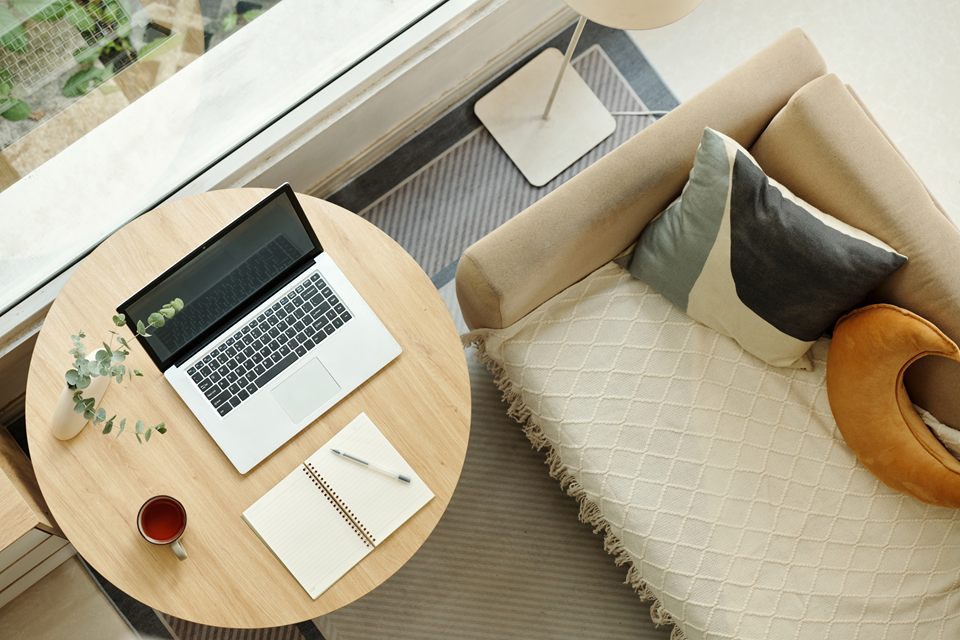
Work plays a big role in how we use our homes today. Even if you’re not fully remote, having a space that supports focus and productivity can make a noticeable difference. You don’t need a separate office, but you do need a setup that works for you.
Here’s what to look for:
- A layout that allows some separation between work and relaxation
- Enough room to comfortably fit a desk or workspace
- Reliable internet connectivity in the area
- Minimal noise during working hours
If your job involves video calls or deep focus, these factors become even more important. A busy street, thin walls, or a cramped layout can make work feel more stressful than it needs to be.
At the same time, flexibility matters. Your workspace should be easy to step away from once your workday ends. Even something as simple as positioning your desk near a window or using lighting to define your work zone can help create that mental separation.
The idea isn’t to build a perfect office, it’s to make sure your home supports your work without taking over your entire living space.
Make room for your hobbies
Your apartment shouldn’t just be about work and sleep. It should also support what you enjoy doing in your free time.
This is where a lot of spaces fall short. People often underestimate how much their hobbies shape their daily experience at home.
Think about what you naturally spend time on:
- Working out → Do you need space for a yoga mat or equipment? Is there a gym nearby?
- Cooking → Is the kitchen functional enough? Do you have counter space and storage?
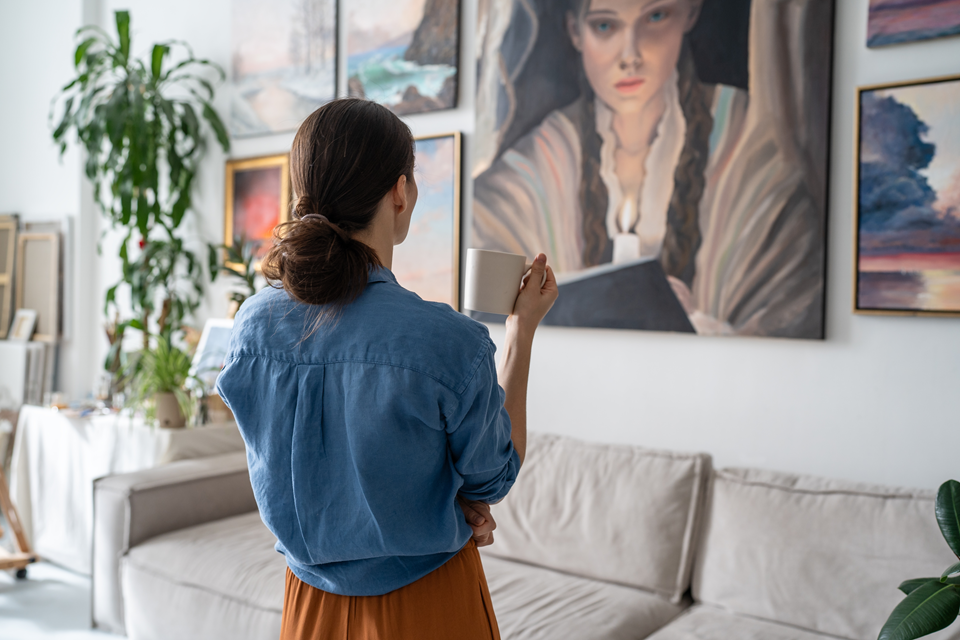
- Creative hobbies (writing, painting, music) → Is there good lighting? Can you focus without interruptions?
- Gaming or streaming → Is the internet reliable? Do you have enough room for your setup?
Even small details can make a difference. For example, if you enjoy hosting or cooking, having a clean and inviting dining setup matters more than you might expect. Something as simple as using a linen tablecloth can instantly make your dining or creative space feel more organized and comfortable for everyday use.
When your apartment supports your hobbies, you naturally use your time better. You don’t have to force yourself to be productive or creative, the environment makes it easier.
On the flip side, if your space doesn’t support your interests, things start to pile up, feel cluttered, or get ignored altogether.
Think about storage and flexibility
Storage is one of those things you don’t fully appreciate until you don’t have enough of it.
A common mistake is choosing a space that looks good when empty but feels cramped once you move in. Your daily routine involves more than just furniture, it includes work gear, hobby items, clothes, and everyday essentials.
So instead of just checking for closets, think practically:
- Where will you keep your work setup when not in use?
- Is there space for your hobbies without creating clutter?
- Can you organize your kitchen easily?
- Will the apartment still feel open once everything is in place?
Flexibility matters just as much as storage. A good apartment adapts to your needs throughout the day. For example, your living room might double as a workspace during the day and a relaxation zone in the evening. A dining table might also serve as a creative or work surface.
Even smaller apartments can work really well if the layout allows you to use the space in multiple ways. It’s not always about size, it’s about how efficiently the space is designed.
Location should match your lifestyle
Location is often treated as a separate decision, but it’s actually a big part of how your apartment fits your routine.
It’s more than just distance from work. This is about how your surroundings support your daily habits.
Ask yourself:
- Are there cafes, parks, or gyms nearby that you’ll actually use?
- Does the neighborhood match your pace, quiet and calm or active and social?
- How easy is it to access groceries and essentials?
- Is commuting convenient for your schedule?
If you enjoy stepping out often, being in the right neighborhood can improve your lifestyle more than having extra square footage. On the other hand, if you prefer staying in, a quieter area with a comfortable home setup might suit you better.
Think about your weekends too. The right location should make it easier to do what you enjoy, whether that’s exploring the city, meeting friends, or just taking a walk nearby.
Don’t ignore your downtime
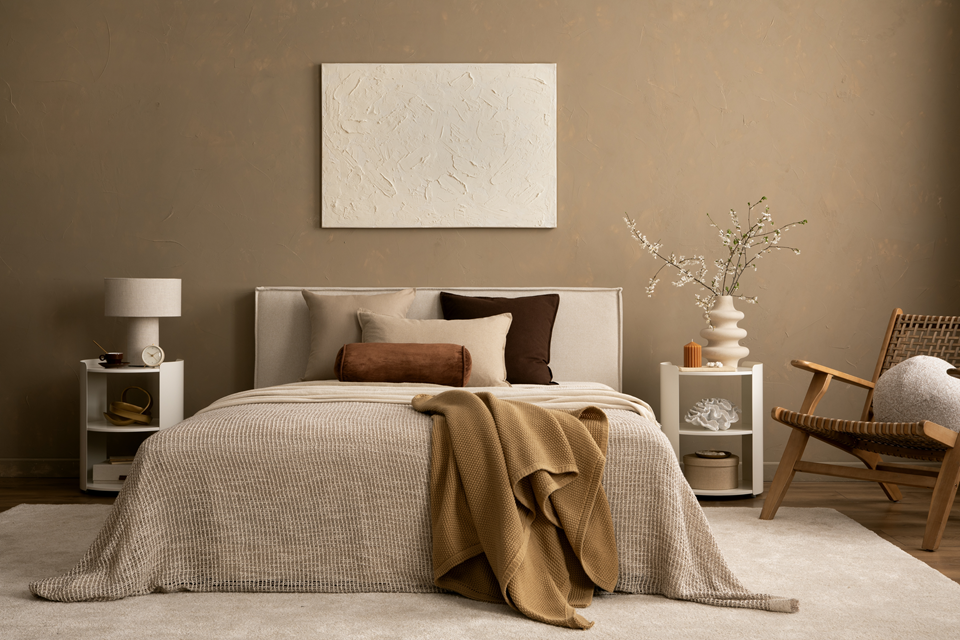
It’s easy to focus on productivity when choosing an apartment, but your home should also help you relax and recharge.
After a long day, your space should feel comfortable without needing too much effort.
Here are a few things that make a difference:
- Natural light that improves mood and energy
- Good ventilation for comfort
- A layout that doesn’t feel cramped or restrictive
Lighting plays a bigger role than most people expect. Too much brightness can feel harsh, while too little can make a space feel dull.
Well-chosen cotton curtains or linen curtains for living room can help you control natural light and create a more balanced atmosphere, especially when you’re switching between work mode and relaxation.
You don’t need a large space to relax, even a small, well-lit corner can become your go-to spot to unwind.
What matters is how the space makes you feel at the end of the day.
Takeaways
The best apartment is the one that fits naturally into your life. When your space aligns with your work, hobbies, and daily routine, everything feels easier. You’re more productive without forcing it, and your downtime feels more satisfying. Instead of adjusting your life around your apartment, your apartment should adjust to you.
Before signing your next lease, take a moment to think beyond the basics. Focus on how the space supports your everyday habits. That’s what turns a simple apartment into a place you actually enjoy living in.
Share this article:


Mihaela Buzec
Mihaela Buzec is a senior writer, researcher, and online content developer for RentCafe, where she has over 7 years of experience writing about the real estate industry. She authors important resources such as the statistics pages describing generational patterns and renter's guides that help renters in their journey. Her work has appeared in publications such as Apartment Therapy, Indy Star, and Investopedia.
Mihaela is a published researcher who is active in academia as well. She holds a BA in English, an MA in linguistics, and a PhD in neurolinguistics.
Sign up for The Ready Renter newsletter
Get our free apartment hunting guide — plus renting tips, trends and research.




Related posts
Matching your apartment to your work, hobbies, and daily routine
Finding an apartment isn’t just about square footage or rent. It’s easy to get drawn in by polished photos, modern finishes, or a good deal,…

How to find affordable student housing in major U.S. cities
Moving to major U.S. cities as a student can be such an exciting challenge. While it generally means dealing with higher rents than in smaller…
Studio vs. 1-bedroom apartment: Which is better for a first-time solo renter?
Choosing between a studio vs. 1-bedroom apartment shapes your budget, comfort, and daily routine. First-time solo renters feel this impact the most because they’re managing…
Subscribe to
The Ready Renter newsletter