
Share this article:


When you’re searching for an apartment, it’s easy to focus on location, price and amenities. But the floor plan you choose plays a huge role in how comfortable your day-to-day life will actually be.
Whether you prefer open layouts or clearly defined rooms, choosing the ideal floor plan means thinking beyond square footage. It’s about how the space supports your routines, your belongings and the way you live now — and in the near future.
Below are practical tips to help you choose a floor plan that truly works for you.
What has (and hasn’t) worked in your past apartments?
A good starting point is your own experience. Think back to previous apartments and identify what felt right — and what didn’t.
Ask yourself:
-
did the layout feel cramped or inefficient?
-
were there rooms you rarely used?
-
did the space support your daily routines?
Knowing what you want to avoid helps narrow down the ideal floor plan much faster.
How does your current lifestyle shape your floor plan needs?
Your lifestyle should guide how you use space.
For example:
-
if you work from home, a layout with a separate room or quiet corner may matter more
-
if you cook and entertain often, an open kitchen and living area might be ideal
-
if you have pets or kids, sightlines and open common spaces can be helpful
The ideal floor plan supports how you live — not how a space looks in photos.
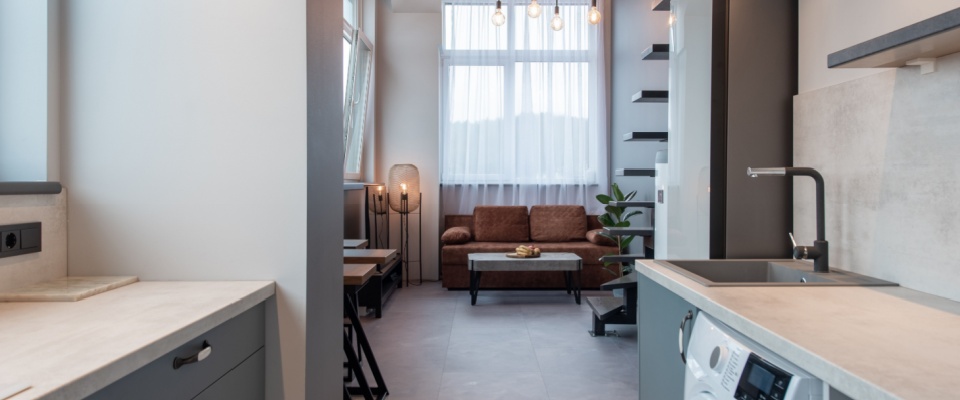
What are the most common apartment floor plan types?
Most apartments fall into a few familiar layout categories. Knowing how these floor plans tend to function can help you recognize what will — and won’t — work for your lifestyle when you’re touring or reviewing listings.
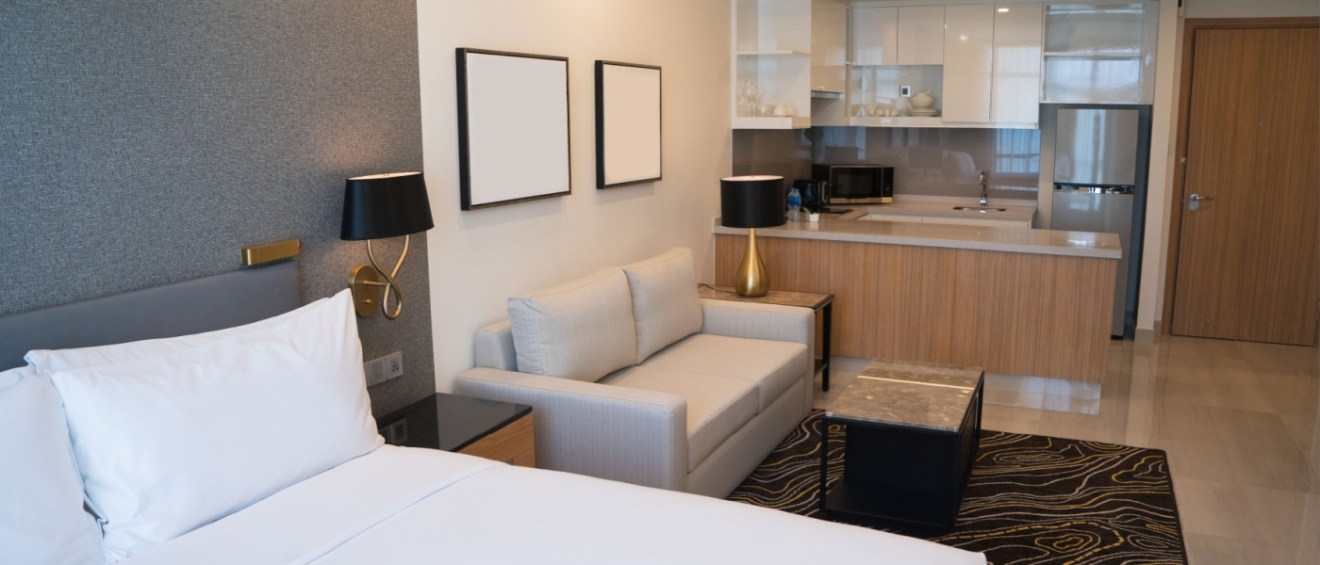
Studio apartments combine living, sleeping and kitchen areas into a single open space. They’re often appealing to solo renters who value simplicity, but the lack of separation means privacy and storage can feel limited over time.
A one-bedroom apartment offers a clear division between living and sleeping areas. This layout tends to work well for renters who want privacy, work from home or share the space with a partner, though it usually comes at a higher price point than a studio.
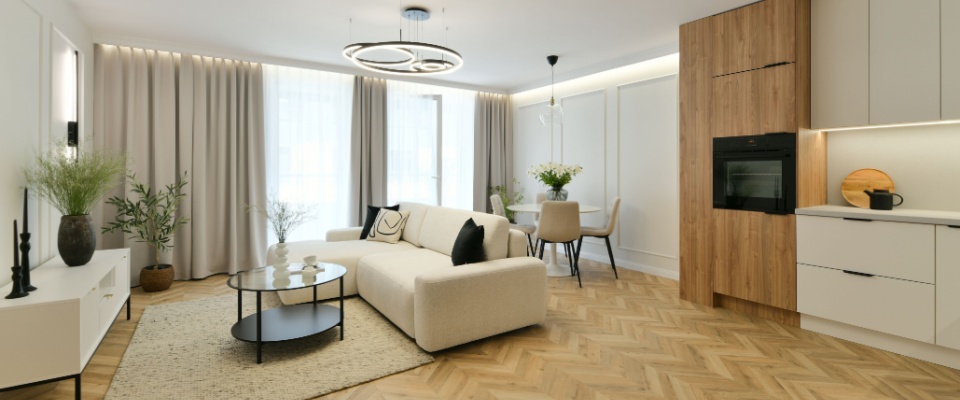
Open floor plans minimize interior walls between the kitchen, dining and living areas. These layouts can feel bright and flexible, especially for entertaining, but they don’t always provide quiet zones for work or downtime.
In a split-bedroom layout, bedrooms are placed on opposite sides of the apartment, often with common areas in between. This setup is popular with roommates or households with different schedules, though shared spaces may be slightly smaller as a result.
Railroad or linear layouts, more common in older buildings, connect rooms in a straight line. While they can have charm and character, they often require walking through one room to reach another, which can affect privacy and furniture placement.
Den or flex-space layouts include an extra room or alcove that isn’t a full bedroom. These spaces are often used as home offices, guest rooms or storage, but they may lack windows or closets and feel more functional than spacious.
Finally, loft apartments feature elevated sleeping areas accessed by stairs, creating visual separation without adding walls. Lofts can be appealing in small spaces, but they’re not designed with accessibility in mind. Stairs, limited headroom and heat or noise transfer can make them less practical for renters with mobility concerns or anyone planning to stay long-term.
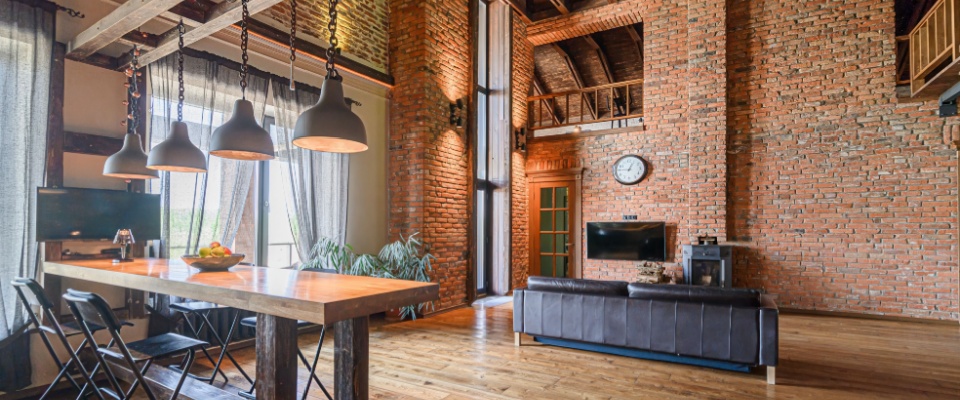
Each of these layouts has strengths and limitations. The key is understanding how they align with how you plan to use the space day to day.
| Floor plan type | Best for | Privacy | Flexibility | Storage | Drawbacks |
|---|---|---|---|---|---|
| Studio | Solo renters, short stays | Low | Medium | Low | Limited privacy; sleep/work/living zones overlap; storage can feel tight. |
| One-bedroom | Privacy, WFH | High | Medium | Medium | Often costs more than a studio; less flexible than open layouts for entertaining. |
| Open layout | Entertaining | Low–Medium | High | Medium | Noise travels easily; fewer walls can limit storage and defined work zones. |
| Split-bedroom | Roommates | High | Medium | Medium | Common areas may be smaller; layout can feel segmented for hosting. |
| Railroad | Unique spaces | Low | Low | Low | Walk-through rooms reduce privacy; awkward furniture placement; limited natural flow. |
| Den/flex | Offices, guests | Medium | High | Medium–High | Flex spaces may not have windows/doors; can feel cramped or double as storage. |
| Loft | Small-space living with separation | Medium | Medium | Medium | Not accessibility-friendly due to stairs; heat/noise can travel; limited headroom upstairs. |
Should you plan for future changes?
Even if you’re happy with your current situation, it’s smart to think a step ahead.
Consider:
-
whether you plan to stay long-term
-
if your household may grow
-
whether your work or routines could change
Choosing a floor plan with some flexibility can help you avoid outgrowing your apartment too quickly.
How important are storage and functional spaces?
Storage is often underestimated when choosing an apartment.
An ideal floor plan includes:
-
closets that make sense for daily use
-
space for seasonal or bulky items
-
areas that can stay clutter-free
Even small storage features — like a hallway closet or pantry — can make a big difference in how livable a space feels.
Can you realistically picture yourself living there?
Beyond measurements and layouts, ask yourself a simple question: does the space feel right?
Try to imagine:
-
your daily routines
-
where furniture would go
-
how you’d relax, work or host guests
If you can clearly picture yourself living comfortably in the space, that’s often a strong sign you’ve found the ideal floor plan for your needs.
Final thoughts
The ideal floor plan is one that works with your daily routines, accommodates your belongings and continues to feel comfortable over time. Taking a few extra moments to think through how a layout functions in real life can make a noticeable difference in how satisfied you feel in your apartment.
Share this article:


Florin Petrut
Florin Petrut is a real estate writer and research analyst with RentCafe, using his experience as a social media specialist and love for storytelling to create insightful reports and studies on the rental market. With a strong interest in the renter experience, he develops data-driven resources that explore cost of living, affordable neighborhoods, and housing trends, helping renters make informed decisions about where and how they live. Florin holds a B.A. in Journalism and an M.A. in Digital Media and Game Studies.
Sign up for The Ready Renter newsletter
Get our free apartment hunting guide — plus renting tips, trends and research.




Related posts
Matching your apartment to your work, hobbies, and daily routine
Finding an apartment isn’t just about square footage or rent. It’s easy to get drawn in by polished photos, modern finishes, or a good deal,…

How to find affordable student housing in major U.S. cities
Moving to major U.S. cities as a student can be such an exciting challenge. While it generally means dealing with higher rents than in smaller…
Studio vs. 1-bedroom apartment: Which is better for a first-time solo renter?
Choosing between a studio vs. 1-bedroom apartment shapes your budget, comfort, and daily routine. First-time solo renters feel this impact the most because they’re managing…
Subscribe to
The Ready Renter newsletter