
Share this article:


Renting comes with flexibility, but it also comes with responsibilities, especially when it comes to protecting what you own. Many renters assume their building’s insurance covers their personal belongings, but that’s not the case. Building insurance only protects the structure itself, so you’re on your own to protect your things.
That’s why understanding renters insurance coverage matters. Knowing what types of coverage are included helps you avoid costly gaps, make smarter decisions, and feel confident that you’re protected if something unexpected happens.
This guide breaks down the most common types of renters insurance coverage so you know exactly what you’re paying for, and why it matters.
Key takeaways:
-
- Most renters insurance policies include personal property, liability, and loss of use coverage.
- Renters insurance protects more than just your belongings; it can also cover accidents and temporary living expenses.
- Optional add-ons can help fill gaps for high-value items or specific risks.
What is renters insurance coverage?
Renters insurance coverage refers to the different protections included in a renters insurance policy. Instead of being one benefit, it’s a bundle designed to protect you in various situations, such as theft, fire, accidental damage, or legal claims.
While policies vary by provider, most renters insurance plans include the same core types of coverage. Understanding each one helps you pick a policy that fits your lifestyle and budget.
Personal property coverage
Personal property coverage is the foundation of renters insurance. It helps pay to repair or replace your belongings if they’re damaged or stolen due to covered events like fire, smoke, theft, vandalism, or certain types of water damage.
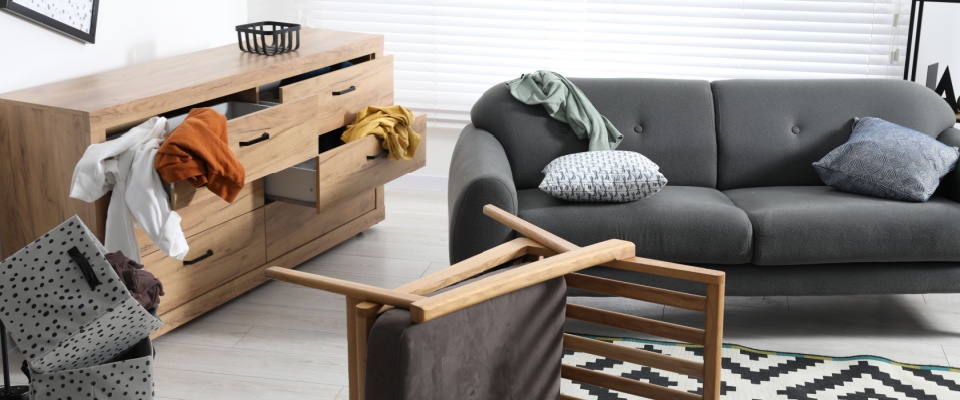
This coverage includes everyday items such as:
- Furniture
- Clothes and shoes
- Electronics
- Kitchenware
- Small appliances
Some policies even cover items stolen from your car or while traveling, so renters insurance often protects you both inside and outside your home.
If your belongings are damaged or stolen due to a covered event, you can file a claim to cover your loss. Most policies pay claims in one of two ways:
- Actual cash value, which factors in depreciation.
- Replacement cost, which pays what it costs to buy a new item. This type of policy usually costs more, but it offers stronger protection.
Personal liability coverage
Personal liability coverage protects you if someone gets hurt in your apartment or if you accidentally cause damage to someone else’s property. Though it’s often overlooked, this coverage can be one of the most valuable parts of renters insurance.
For example, liability coverage may help if:
- A guest slips and falls inside your apartment.
- You accidentally damage a neighbor’s unit.
- Your dog bites someone, and they need medical care.
It can help cover legal fees, medical bills, and settlements, up to your policy limit. Many renters choose coverage limits starting around $100,000, but higher limits are often affordable and provide extra peace of mind.
Medical payments to others
Medical payments coverage is related to liability coverage but works a bit differently. It helps pay for minor medical expenses if a guest is injured in your apartment, regardless of who was at fault. This coverage can prevent small incidents from turning into bigger legal problems.

It typically applies to smaller amounts and is meant to cover costs like:
- First aid
- X-rays
- Short doctor visits
Loss of use (Additional Living Expenses) coverage
Loss of use coverage helps pay for extra living costs if your apartment becomes unlivable due to a covered event such as a fire or severe water damage.
Covered expenses usually include:
- Hotel stays
- Temporary rentals
- Extra food costs
- Laundry expenses
This coverage can be a lifesaver if you’re suddenly displaced but still responsible for daily expenses. It usually applies for a set period or up to a limit stated in your policy.
Named perils vs. all-risk coverage
An important detail in renters insurance is how your policy defines covered events, known as perils.
- Named perils coverage only covers losses caused by events specifically listed in the policy.
- All-risk (or open perils) coverage protects against most events unless they’re specifically excluded.
Many renters insurance policies use named perils for personal property and broader coverage for liability.
Optional add-ons and extra coverage
Standard renters insurance coverage works well for most people, but some situations may call for extra protection. That’s where add-ons come into play.

Common add-ons include:
- Scheduled personal property for high-value items like jewelry or musical instruments
- Identity theft protection
- Extra liability coverage
- Water backup coverage
How much coverage do you really need?
Choosing the right amount of renters insurance coverage depends on your belongings, lifestyle, and budget. A good starting point is to create a simple home inventory. List your major items and estimate what it would cost to replace them.
For liability coverage, many renters choose higher limits because the cost difference is often small, but the financial protection can be significant.
Why renters insurance coverage is worth it
Renters insurance helps you meet lease requirements, but more importantly, it protects you from financial stress when something unexpected happens. With the right coverage, you won’t have to rely on savings or credit cards to recover from losses.
Understanding personal property, liability, and loss of use coverage puts you in control as a renter. You can easily choose a policy that fits your lifestyle, not just your lease.
FAQs: Most common renters insurance coverage types
Q: What does renters insurance coverage usually include?
A: Most policies include personal property coverage, personal liability coverage, and loss of use coverage.
Q: Is renters insurance coverage required by law?
A: No, renters insurance isn’t required by law, but many landlords require it as part of the lease.
Q: Does renters insurance coverage protect roommates?
A: Many renters insurance policies only cover the person named on the policy. In that case, roommates need their own separate coverage unless they’re listed on the same policy.
However, there are providers who offer alternatives. For example, with ResidentShield, you may add up to three adult roommates or a spouse to a single policy. That means you and your roommates can simplify your coverage, share costs, and get reliable protection under one plan.
Share this article:


Roxana Nica
Roxana Nica is a senior real estate writer with RentCafe and ResidentShield, bringing over six years of experience in crafting digital content across various consumer industries, including fashion and interior furnishings. She develops resources that address the everyday needs of renters, from smart living tips to navigating residential services. Roxana holds a B.A. in International Relations and an M.A. in Advertising.
Sign up for The Ready Renter newsletter
Get our free apartment hunting guide — plus apartment living tips, trends and research.




Related posts

RentCafe makes it easy to check one important item off your move-in checklist: renters insurance
Good news: RentCafe applicants now have a convenient way to sign up for renters insurance as soon as their application is approved. Renters insurance is typically mandatory for any apartment lease. To meet this…

What are the most common renters insurance coverage types?
Renting comes with flexibility, but it also comes with responsibilities, especially when it comes to protecting what you own. Many renters assume their building’s insurance covers their personal belongings,…

Pet liability insurance for renters: What it covers and why it matters
Pets make an apartment feel more like home, but they can also lead to unexpected costs and responsibilities. If your dog bites a visitor or your cat damages…
Subscribe to
The Ready Renter newsletter