
Share this article:


As a renter, you’ve probably heard the term “renters insurance” thrown around. But what exactly does it mean, and more importantly, is renters insurance required? Let’s dive into this topic and uncover everything you need to know about protecting your belongings and financial well-being as a tenant.
Renters insurance is a type of property insurance designed specifically for people who rent their homes, whether it’s an apartment or a house for rent. It provides coverage for your personal belongings, liability protection, and additional living expenses if your rental becomes uninhabitable due to a covered event. Think of it as a safety net that catches you when unexpected mishaps occur in your rented space.

While owners typically have insurance to protect their property, that coverage doesn’t extend to the personal belongings of their tenants. This is where renters insurance comes in, filling the gap and ensuring that you’re not left high and dry if something goes wrong. But the question remains: Is renters insurance required?
Is renters insurance required by law?
The short answer is no, renters insurance is not legally required in most states. Unlike car insurance, which is mandated by law in nearly every state, there’s no federal or state law that requires tenants to have renters insurance. However, this doesn’t mean you should dismiss the idea of getting coverage.
While renters insurance isn’t a legal requirement, many landlords and property management companies are increasingly making it a condition of their lease agreements. This means that while the law doesn’t require renters insurance, your landlord might. Let’s dive deeper into this:
Landlord requirements for renters insurance
More and more landlords are including clauses in their lease agreements that require tenants to obtain and maintain renters insurance. They do this for several reasons:
- It reduces their liability: If a tenant has renters insurance, they’re less likely to sue the landlord for damages to their personal property.
- It ensures renters can cover damages: If a tenant accidentally causes damage to the property, their liability coverage can help pay for repairs.
- It provides peace of mind: Landlords feel more secure knowing their tenants have a financial safety net.
If your lease agreement includes a requirement for renters insurance, then yes, it is required for you to have it in order to rent that particular property. Always read your lease carefully to understand if renters insurance is required as part of your rental agreement.
The benefits of renters insurance
Even if renters insurance isn’t required by your landlord or local laws, there are numerous benefits to having this coverage. Let’s explore some of the key advantages:
Protection for your personal property
One of the primary benefits of renters insurance is that it protects your personal belongings. Your policy typically covers items like:
- Furniture
- Clothing
- Electronics
- Jewelry (up to a certain limit)
- Kitchen appliances and utensils
In case these items are damaged, destroyed, or stolen due to covered perils like fire, theft, or certain natural disasters, your renters insurance can help replace them.

Liability coverage
Renters insurance also provides liability protection. This means if someone is injured while visiting your rental property, your insurance can help cover their medical expenses and protect you from potential lawsuits.
Additional living expenses
If your rental becomes uninhabitable due to a covered event (like a fire or severe storm damage), renters insurance can cover the cost of temporary housing and additional living expenses.
Affordable peace of mind
One of the most attractive aspects of renters insurance is its affordability. The average cost of renters insurance in the U.S. is around $15-$30 per month, making it a relatively small expense for the amount of protection it provides.
Renters insurance in the winter season
While renters insurance is beneficial year-round, it can be particularly valuable during the winter months. First of all, it offers protection from winter-related perils, as the cold season brings unique risks to your rental property. So, renters insurance can protect you from:
- Burst pipes due to freezing temperatures
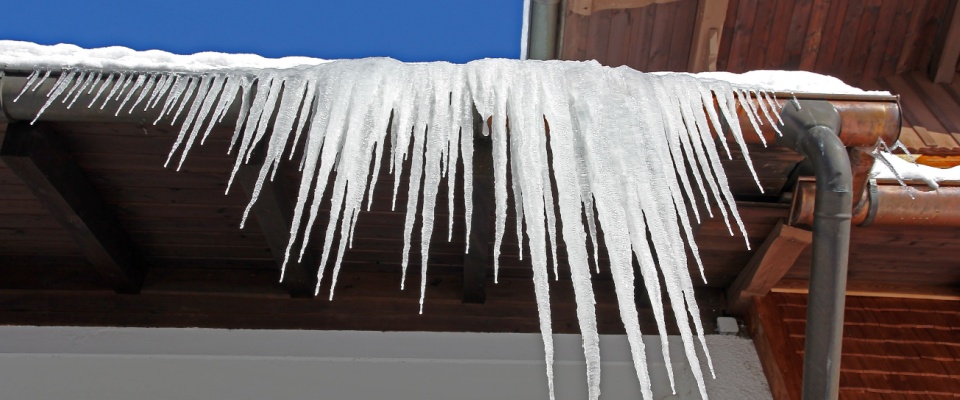
- Damage from ice dams on the roof
- Fire damage from space heaters or fireplaces
- Theft during holiday travel
Plus, if you’re an avid skier or snowboarder, renters insurance can provide coverage for your expensive winter sports equipment, whether it’s at home or away on the slopes.
Another useful aspect is the liability protection for winter accidents. Icy walkways can lead to slip-and-fall accidents, so if a guest gets injured on your rental property due to winter conditions, your liability coverage can help protect you financially.
Why you should consider renters insurance even if it’s not required
Now that we’ve explored what renters insurance covers and its benefits, let’s summarize why you should seriously consider getting a policy, even if it’s not required:
- Financial protection: For a relatively small monthly cost, you get significant financial protection for your belongings and against liability claims.
- Peace of mind: Knowing you’re covered in case of unexpected events can provide invaluable peace of mind.
- Flexibility: Renters insurance typically covers your belongings even when they’re not in your home, like if your laptop is stolen while you’re traveling.
- Potential savings: Many insurance companies offer multi-policy discounts. If you already have auto insurance, adding a renters policy could lead to overall savings.
- Easy to obtain: Getting a renters insurance policy is typically a quick and straightforward process.
To circle back to the original question: Is renters insurance required? While it’s not typically required by law, it may be required by your landlord, and even if it’s not, it’s highly recommended.
Renters insurance provides a safety net that can protect you from significant financial loss for a relatively small cost. It covers your personal property, provides liability protection, and can help with additional living expenses if your rental becomes uninhabitable.
Whether you’re a college student in your first apartment, a young professional in a city loft, or a family renting a house, renters insurance is a wise investment in your financial security and peace of mind. So, while the answer to “is renters insurance required?” may technically be no in many cases, the smart answer to “should I get renters insurance?” is almost always yes.
Remember, your landlord’s property insurance doesn’t cover your personal belongings or personal liability. By investing in renters insurance, you’re taking an important step in protecting yourself and your possessions. Don’t wait for a disaster to strike before you realize the value of being insured. Take action today and explore your renters insurance options – your future self will thank you.
Share this article:


Alexandra Both
Alexandra Both is a senior real estate writer and research analyst with RentCafe. She brings over 10 years of real estate writing experience, having served as a senior editor at Commercial Property Executive and Multi-Housing News. A seasoned journalist, Alexandra has worked across print, online, and broadcast media. Her work has been featured in a variety of prominent outlets, including The New York Times, The Guardian, USA Today, and Architectural Digest. She holds a B.A. in Journalism and an M.A. in Community Development.
Sign up for The Ready Renter newsletter
Get our free apartment hunting guide — plus renting tips, trends and research.




Related posts

The future of rental approvals beyond traditional screening methods
Key takeaways: Traditional screening tools like credit scores and W-2s often fail to reflect a renter’s true ability to pay — leaving freelancers, retirees, and…

Scoring your dream apartment: What property managers look for (and how to stand out)
Finding the perfect rental property in a competitive market can feel like a race against the clock. When a great apartment opens up in the…

Can portable tenant screening reports help renters get approved?
Finding a rental today means competing with dozens of other applicants, paying $50 or more per application, and often having to start the process over…
Subscribe to
The Ready Renter newsletter