
Apartment appliances made easy: How to keep everything running smoothly
Share this article:


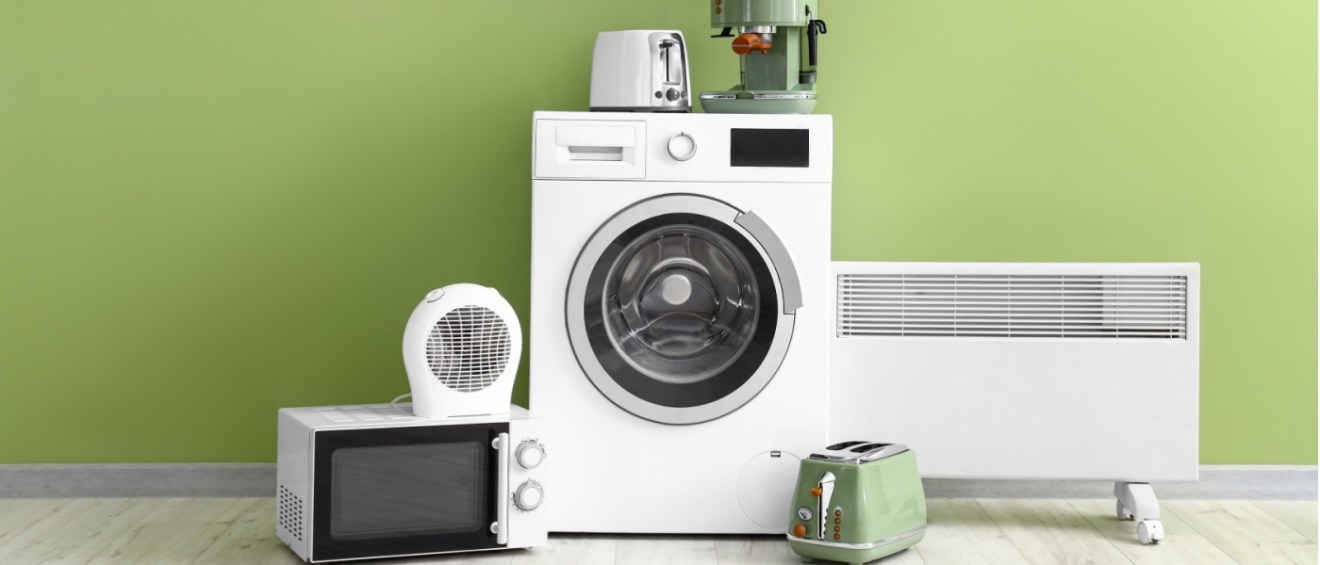
Keeping your apartment appliances in good shape helps you save money, prevent emergencies, and extend the life of the things you use every day. For many renters, appliance issues can quickly turn into headaches, so knowing how to care for them gives you more control over your home and fewer surprises down the line.
This guide breaks down the basics of appliance maintenance in most apartments, including simple routines anyone can follow.
Key takeaways:
- Small, consistent habits can prevent bigger repairs later.
- Clean appliances work better, last longer, and use less energy.
- Know what maintenance you can handle, and when to call your property staff.
Clean, check, repeat: The core of good appliance maintenance
Appliances don’t need complicated care; just regular attention. Dust, grease, lint, and mineral buildup are the biggest reasons they struggle or fail. By handling simple cleaning tasks every few weeks, you’ll improve performance and reduce the chance of something breaking when you need it most.
If your building’s maintenance team handles major repairs, focus on the small steps that keep appliances from wearing out too fast.
Kitchen appliances
These machines run daily (or at least weekly). Even small issues can affect safety, efficiency, and food quality. Here’s how to keep the most common kitchen appliances functioning smoothly:
Refrigerator
- Clear the airflow: Avoid blocking interior vents with food containers. Good airflow keeps temperatures stable and reduces energy costs.
- Wipe down the door seals: Clean the rubber gaskets monthly with warm, soapy water. Dirty or cracked seals let cold air escape, forcing your fridge to work harder.
- Check temperature settings: Keep the refrigerator at 37 to 40°F and the freezer at 0°F for optimal food safety and energy efficiency.
- Vacuum behind the fridge: If possible, remove dust from the coils every few months. Dusty coils make the appliance work harder and increase energy bills.
Stove and oven
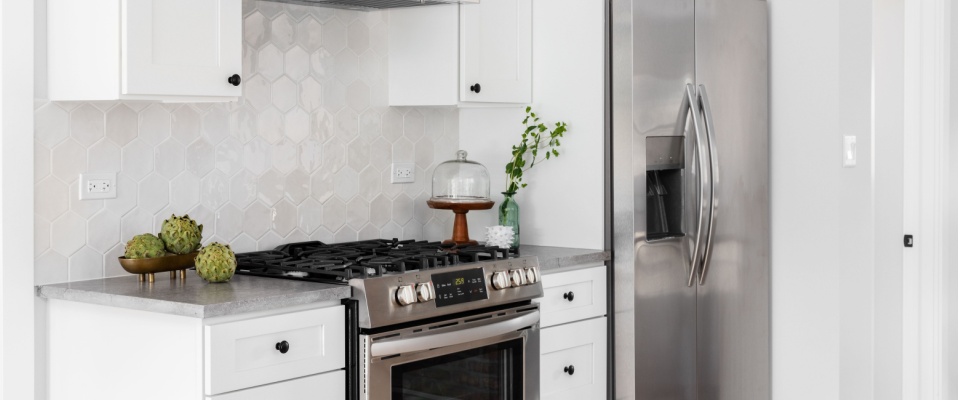
- Wipe spills as they happen: It prevents buildup that’s harder to clean later.
- Clean burner components: Remove and wash burner caps and drip pans regularly. Ensure all parts are completely dry before putting them back in place.
- Use the oven’s self-clean cycle sparingly: While helpful, the extremely high heat from the self-clean cycle can stress older models. Instead, regularly wipe the inside with warm, soapy water. It often works just as well.
Dishwasher
- Clean the filter: Most dishwashers have a removable filter at the bottom of the tub. Rinse it under hot water every couple of weeks to remove food particles.
- Run a cleaning cycle: Place a dishwasher-safe cup filled with white vinegar on the top rack and run a hot cycle monthly to remove grease and eliminate odors.
- Load dishes properly: Overloading can reduce cleaning power and strain the motor.
Laundry appliances
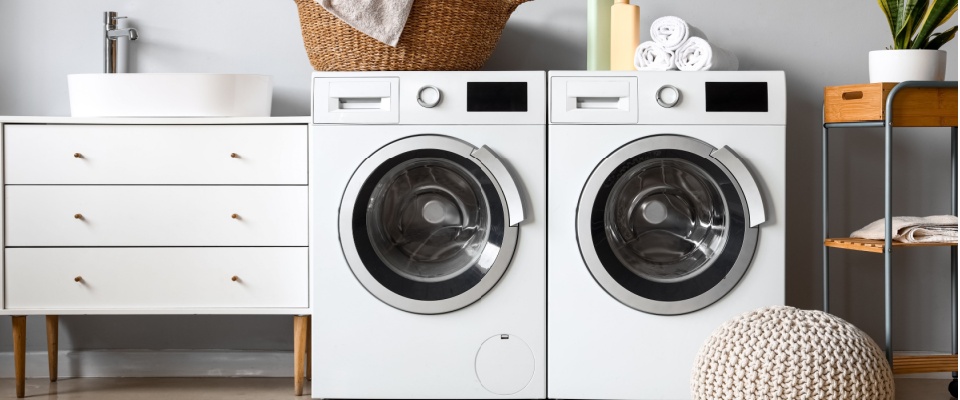
Washers and dryers keep your clothes fresh, but they also need basic care to stay efficient. With a few simple habits, you can prevent odors, improve drying times, and avoid safety issues like lint buildup:
Washer
- Leave the door open after each load: This allows the drum to air-dry and prevents mold growth.
- Clean the detergent drawer: Remove soap residue monthly, as buildup attracts mold and affects cleaning performance.
- Run a hot cleaning cycle: Use a washer cleaner or white vinegar once a month to eliminate buildup and odors.
Dryer
- Empty the lint trap after every load: Even a thin layer of lint reduces efficiency and increases fire risk.
- Wipe down the drum: Remove fabric softener residue that can transfer back to clean clothes.
- Report extended drying times: If clothes take much longer to dry than usual, the internal vent may need professional cleaning.
Bathroom appliances and systems
Bathroom systems often go unnoticed, but their regular maintenance can play a big role in preventing moisture issues.
Exhaust fan
- Dust the cover regularly: Use a vacuum brush attachment or a soft cloth to remove dust buildup.
- Make sure it runs smoothly: If the fan rattles or vibrates loudly, notify maintenance right away.
Water heater (if your unit has one)
- Check for leaks: Report any water drips or moisture around the unit immediately.
- Know the temperature setting: The ideal temperature is around 120°F for safety and energy efficiency.
Small appliances also matter
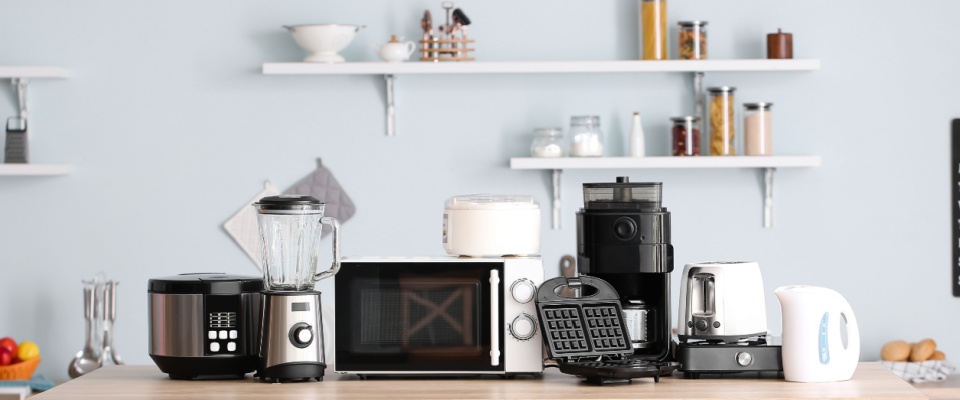
Don’t overlook smaller appliances that contribute to daily comfort and convenience:
- Microwave: Clean spills immediately to prevent odors from setting in. Wipe down the inside weekly with a damp cloth.
- Garbage disposal: Always run cold water while operating and avoid fibrous foods like celery stalks or onion peels that can jam the blades.
- Window AC units: Clean or replace the filter monthly during heavy use to maintain air quality and energy efficiency.
When to handle maintenance yourself and when to call for help
If it’s simple cleaning or general upkeep, you can usually handle it yourself. For anything involving wiring and electrical issues, leaks, unusual noises, or appliance failure, notify your property’s maintenance team. Your landlord is responsible for fixing issues with the appliances that come with the apartment.
Report issues early rather than waiting until they become bigger, more expensive problems. There may even be a clause in your lease that dictates how quickly you need to inform the landlord of a broken appliance. This protects both you and your landlord’s investment.
Apartment living runs more smoothly when your appliances work reliably. By practicing basic maintenance like cleaning regularly, checking for small issues, and knowing when to ask for help, you can extend appliance life and avoid unnecessary stress. The small effort you invest now can pay significant dividends later, helping you maintain a clean, comfortable, and worry-free home.
FAQs: Appliance maintenance
Q: How often should I clean my apartment appliances?
A: Most appliances benefit from light cleaning every couple of weeks and a deeper clean monthly.
Q: Who is responsible for fixing appliances in my apartment?
A: Your property’s maintenance team handles repairs if the appliances belong to your landlord. You’re responsible for basic care and reporting issues early.
Q: What is the most important appliance maintenance task?
A: Regular cleaning, especially of lint traps, filters, and areas prone to buildup, is the easiest and most effective way to keep appliances working properly and safely.
Share this article:


Roxana Nica
Roxana Nica is a senior real estate writer with RentCafe and ResidentShield, bringing over six years of experience in crafting digital content across various consumer industries, including fashion and interior furnishings. She develops resources that address the everyday needs of renters, from smart living tips to navigating residential services. Roxana holds a B.A. in International Relations and an M.A. in Advertising.
Sign up for The Ready Renter newsletter
Get our free apartment hunting guide — plus useful renting tools, trends and research.




Related posts
Common plumbing issues renters should know about
Plumbing problems have a way of showing up at the worst possible time, and renting doesn’t make them any less annoying. A slow drain or…
Apartment appliances made easy: How to keep everything running smoothly
Keeping your apartment appliances in good shape helps you save money, prevent emergencies, and extend the life of the things you use every day. For many renters,…

How to prevent your apartment from becoming uninhabitable
Most renters will never face a situation where their home becomes truly unlivable. Still, understanding what makes an apartment uninhabitable can help you know what…
Subscribe to
The Ready Renter newsletter