
Share this article:


Richmond, VA, is one of those cities that keeps climbing the list of great places to rent. The cost of living is easier on your wallet than D.C. or Virginia Beach, while the growing job market and neighborhoods packed with character are contributing to more people signing leases here every year. Whether you’re eyeing a studio in the Fan District or a two-bedroom in Church Hill, Richmond has a lot to offer.
But here’s a question that comes up for almost every renter: Do I really need a car if I’m a renter in Richmond?
The short answer is that plenty of Richmonders get by just fine without one. The city has invested heavily in its transit infrastructure and if you pick the right neighborhood, you can handle your daily commute, grocery runs and weekend adventures just by using public transit in Richmond. That can save you hundreds of dollars a month on car payments, insurance and gas, money that goes a lot further toward rent.
So, what are your options? Here’s a quick look at the public transit modes in Richmond:
- GRTC bus service — The backbone of Richmond’s public transit.
- GRTC Pulse (bus rapid transit) — A faster, more modern bus experience.
- Richmond bike share (RVA Bike Share) — Pedal-powered freedom across the city.
- Rideshare and microtransit options — On-demand rides that fill in the gaps.
Here’s more info on every option:
GRTC buses: The workhorse of public transit in Richmond, VA
The Greater Richmond Transit Co., better known as GRTC, runs the show when it comes to buses in Richmond. With dozens of routes covering the city and parts of surrounding Henrico and Chesterfield counties, it’s the most widely available transit option you’ll find.

GRTC buses connect major employment centers, shopping areas, hospitals and college campuses. If you work downtown, live near Broad Street or need to get to Virginia Commonwealth University (VCU), odds are there’s a bus route that works for you. Fares are affordable and GRTC offers monthly passes that bring the per-ride cost down even more.
For renters, the big advantage here is coverage. Even if you’re not right on a main corridor, there’s a decent chance a GRTC route runs within walking distance of your apartment. The system isn’t perfect. For example, some routes run less frequently in the evenings and on weekends. But for everyday commuting, it gets the job done without the headache of finding parking downtown.
The Pulse: Richmond’s fast lane for bus riders
If regular buses feel a little slow for your taste, the Pulse might be your new best friend. Launched in 2018, the Pulse is Richmond’s bus rapid transit line and it changed the game for public transit in Richmond, VA.
The Pulse runs along a dedicated corridor on Broad Street, stretching from Willow Lawn in the west to Rocketts Landing in the east. It hits some of the city’s most popular neighborhoods and destinations along the way, including the Fan, VCU, downtown, Shockoe Bottom and the Arts District. Buses come every 10 to 15 minutes during peak hours, which means you’re never stuck waiting long.
What makes the Pulse special is the experience. Stations are well-designed with real-time arrival screens, level boarding and off-board fare payment so you can hop on and off quickly. It feels more like a light rail than a bus and that’s exactly the point.
For renters, here’s the real estate tip: Apartments along the Pulse corridor tend to attract people who are serious about living car-free or car-light. If you pick a place within a short walk of a Pulse station, your commute across the city can be fast, predictable and cheap. That’s a big deal when you’re budgeting.
RVA Bike Share: A two-wheeled shortcut around town
Sometimes the best way to get somewhere is a bicycle, not the bus. Richmond’s bike share program gives you access to bikes stationed at docking points around the city. You grab one, ride where you need to go and drop it off at another station.
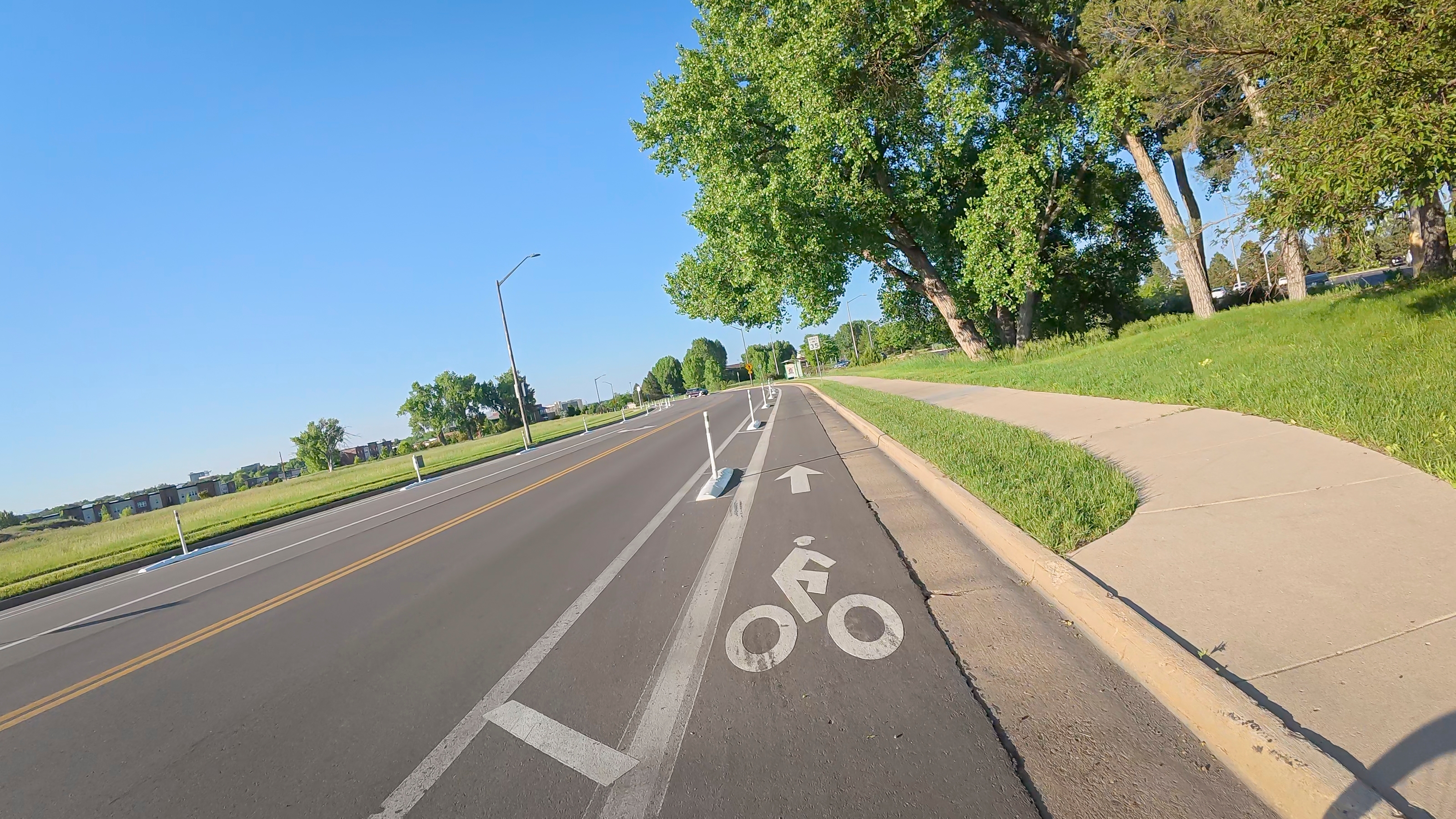
Richmond’s relatively compact urban core makes biking practical for a lot of trips. Heading from your apartment in Jackson Ward to a coffee shop in Carytown? That’s a pleasant ride along some of the city’s nicer streets. The city has continued to add bike lanes and shared-use paths in recent years, which makes the experience safer and more comfortable.
For renters who don’t want to deal with storing and maintaining their own bike, the share program is a smart move. Membership plans keep costs low and it’s a great option for short trips that would be overkill for a bus but a little too far to walk. Plus, you get some exercise without even thinking about it.
Rideshare and microtransit: Filling in the gaps
No transit system covers every corner of a city and Richmond is no exception. That’s where rideshare services come in handy. They’re widely available throughout the metro area and work well for late-night trips, rides to the airport or those moments when the bus schedule doesn’t line up with your plans.
GRTC has also experimented with microtransit options in certain parts of the region. These are smaller, on-demand vehicles that you book through an app, kind of like a shared Uber that operates within a specific zone. It’s a newer concept in Richmond, but it’s one more tool in the toolbox for renters who want flexibility without owning a car.
The key for renters is to think of these services as complements, not replacements. If you use GRTC and the Pulse for your regular commute and save rideshare for the occasional errand or night out, your transportation costs stay manageable.
Why renters in Richmond should embrace public transit
Here’s the bottom line. Public transit in Richmond, VA, isn’t just a backup plan for people who can’t afford a car. It’s a genuine lifestyle choice that makes financial sense, especially when you’re renting. The money you save on car ownership can go towards a nicer apartment, paying down debt or just enjoying everything Richmond has to offer.
What’s more, Richmond’s transit network is still growing and improving. The Pulse proved that investing in quality public transit attracts riders, supports local businesses and makes neighborhoods more livable. As the city continues to expand its options, renters who choose apartments near transit corridors are setting themselves up for an easier, more affordable daily routine.
So, the next time you’re apartment hunting in Richmond, use interactive maps that include transit stops alongside your rental listings. A great bus stop nearby might just be as valuable as an in-unit washer and dryer.
FAQ
Q: Is public transit in Richmond, VA, reliable enough to use every day?
A: Yes, especially along the Pulse corridor, where buses arrive every 10 to 15 minutes during rush hours. Standard GRTC routes vary, but the GRTC app offers real-time tracking to help you plan.
Q: How much does it cost to ride public transit in Richmond, VA?
A: GRTC fares are budget-friendly, with daily, weekly and monthly passes available. The Pulse costs the same as a regular bus, so there’s no premium for the faster ride.
Q: What neighborhoods in Richmond are best for renters who rely on public transit?
A: The Fan District, Museum District, downtown, Shockoe Bottom, Jackson Ward and the VCU area all sit along the Pulse line. Church Hill and Scott’s Addition are also well-served by GRTC bus routes.
Q: Can I get to the airport using public transit in Richmond, VA?
A: Yes, you can reach Richmond International Airport (RIC) by public transit. GRTC runs a high-frequency bus service (routes 7A/7B) that serves the airport and departs from the upper departure level every ~15 minutes, with connections into downtown Richmond.
Q: Is Richmond a good city to live in without a car?
A: If you rent in a transit-rich neighborhood near work and everyday essentials, going car-free is very doable. A mix of buses, biking and occasional rideshare covers most needs.
Share this article:


Alexandra Both
Alexandra Both is a senior real estate writer and research analyst with RentCafe. She brings over 10 years of real estate writing experience, having served as a senior editor at Commercial Property Executive and Multi-Housing News. A seasoned journalist, Alexandra has worked across print, online, and broadcast media. Her work has been featured in a variety of prominent outlets, including The New York Times, The Guardian, USA Today, and Architectural Digest. She holds a B.A. in Journalism and an M.A. in Community Development.
Sign up for The Ready Renter newsletter
Get our free apartment hunting guide — plus tips, trends, and research.




Related posts
A renter’s guide to public transit in Trenton, NJ, and getting around without a car
Trenton sits at an unusual crossroads. New Jersey‘s capital is one of the few cities in the country where you can catch a train north…
Public transit in Providence: What renters need to know
This compact, walkable city is one of the most transit-friendly in New England, making car-free renting not just possible, but genuinely enjoyable. If you’re relocating…
A guide to Hartford, CT public transit for renters
Finding your next rental in Hartford, CT is exciting, and knowing the city’s transit options can make car-free living not just possible, but genuinely enjoyable….
Subscribe to
The Ready Renter newsletter