Share this article:


McAllen has a lot going for it as a place to settle down for renters. The cost of living is low, the food is outstanding, and the weather is warm year-round. But perhaps most importantly, the city has been steadily adding jobs in health care, retail and logistics.
But there are a few things about renting in the Rio Grande Valley that work a little differently than what you might be used to. Texas has a deregulated electricity market, which means you pick your own provider, and the wrong plan can cost you more than you’d expect. The area’s flat terrain and proximity to the Rio Grande creates real flood risk in certain neighborhoods. And the subtropical climate, while great for people who hate winter, also means hailstorms, hot weather and year-round pest activity are part of the package.
Here’s what the questions will help you evaluate:
- How electricity works in a deregulated market and who sets up your account
- Whether the property sits in a flood zone and what your lease says about water damage
- How the building has held up against hail wind, and tropical storms
- What pest control is provided in a subtropical climate
- What your renters insurance needs to cover in the Rio Grande Valley
Use these questions to look past a low sticker price and understand what living in McAllen will really cost, and what protections you need in place.
1. Do I choose my own electricity provider for this apartment, and is the meter in my name?
The answer you’re looking for: In McAllen, the electricity market is deregulated, which means you can shop among dozens of retail providers for different rate plans. A helpful property manager will explain whether the meter is already active or needs a new account and may point you toward the Public Utility Commission’s Power to Choose website to compare rates.

Why it matters: Texas’ deregulated electricity market gives McAllen renters the ability to choose from dozens of plans, from fixed-rate, variable-rate, prepaid and time-of-use, with rates ranging from around 6 to 23 cents per kilowatt-hour. That’s a wide spread, and the plan you choose directly affects your monthly bill.
Renters who don’t shop around or who sign up for a variable-rate plan can end up paying significantly more during summer months when cooling demand spikes.
2. Is this property in a FEMA flood zone, and what does the lease say about water damage or displacement?
The answer you’re looking for: Even outside officially mapped zones, certain areas of McAllen carry real flood risk. You want to know whether the property has experienced flooding or water intrusion in the past, what the lease says about your responsibilities and options if the apartment is damaged by flooding and whether the landlord carries flood insurance on the building.
Why it matters: Standard renters insurance policies do not cover flood damage. It requires a separate policy, often backed by FEMA’s National Flood Insurance Program, or a private carrier. Renters who assume their belongings are covered after a storm can face thousands of dollars in uninsured losses.
3. Has this property sustained hail or storm damage, and how does the building handle severe weather?
The answer you’re looking for: Ask whether the building has a history of damage from weather, and if so, what repairs were made. You want to know whether the roof has been replaced or repaired recently, whether windows are impact-rated or have storm protection and what the building’s plan is during severe weather events.
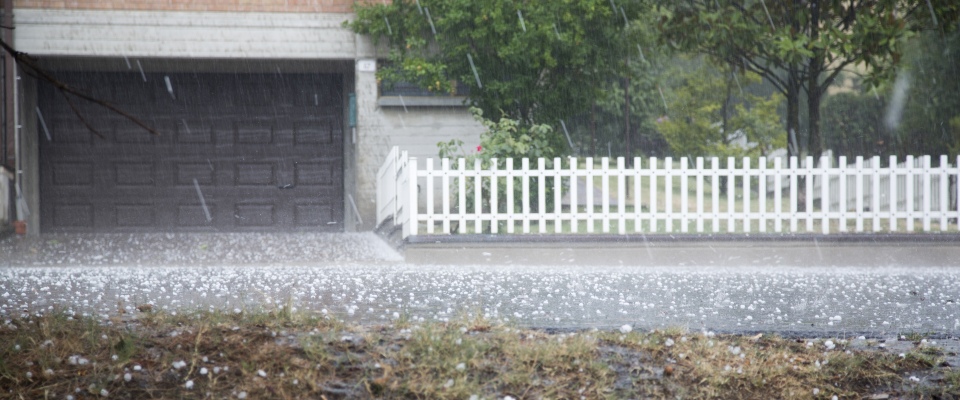
Why it matters: The Rio Grande Valley gets hit by severe thunderstorms, hailstorms and occasional tropical weather systems that can cause real property damage. Hail alone has been a recurring problem across McAllen, damaging roofs, vehicles and exterior structures. Renters who don’t ask about storm history may not realize they’re moving into a building with a patched roof or aging windows that leak during heavy rain.
4. What pest control services are included, and how does the property manage for the subtropical climate?
The answer you’re looking for: You want to know what pests are most common in the building or neighborhood. In McAllen, that typically includes mosquitoes, cockroaches, ants and occasionally scorpions or termites. A responsible property manager will explain what the management handles, what the renter is expected to manage on their own and whether there’s a process for reporting pest issues between scheduled treatments.
Why it matters: McAllen’s warm, humid subtropical climate creates year-round conditions for pest activity, and the issue intensifies during the rainy months when standing water attracts mosquitoes and moisture draws insects indoors. Older apartment complexes or properties near undeveloped land may see more pest pressure than newer, well-sealed buildings.
5. Does the lease require renters insurance, and what specific coverage should I carry in this area?
The answer you’re looking for: Beyond the lease requirement, ask the landlord what kinds of damage are most common at the property — water intrusion, hail, storm damage — so you can tailor your policy. A responsible property manager will at least mention that standard renters insurance doesn’t cover flooding, and separate flood coverage may be worth considering, especially if the property is anywhere near a drainage area or low-lying section of the city.

Why it matters: Renters insurance in McAllen is affordable, often under $20 per month, but the default policy may not cover the risks that are most relevant to the Rio Grande Valley. Because of the weather systems that move through the area regularly, water damage from flooding is explicitly excluded from standard policies. You may want to get extra coverage depending on how the property manager answers.
McAllen’s growing economy makes it one of the most appealing rental markets in Texas, but the numbers on a listing page don’t tell the full story. The questions above address the local realities that shape what renting here actually costs and what risks you need to plan for, from navigating a deregulated electricity market to understanding flood exposure, storm damage, and the pest pressures of a subtropical climate.
Share this article:


Adina Dragos
Adina Dragos is a real estate writer and research analyst with RentCafe. She has solid experience in real estate writing, covering topics ranging from best cities for renters and the top cities for rental activity to cost of living. Her work was featured in several prominent media channels such as Axios, The Dallas Morning News, ConnectCRE and The New York Times.
Sign up for The Ready Renter newsletter
Get our free apartment hunting guide — plus local insights, trends and research.




Related posts
5 questions to ask before renting an apartment in McAllen, TX
McAllen has a lot going for it as a place to settle down for renters. The cost of living is low, the food is outstanding,…
Subscribe to
The Ready Renter newsletter