Apartment hunting in Jacksonville, FL? Here’s what to ask before you sign
Share this article:


Jacksonville feels spread out in a way few Florida cities do. You get beaches, river views, and quiet residential pockets, often at a lower price point than Miami and parts of Orlando.
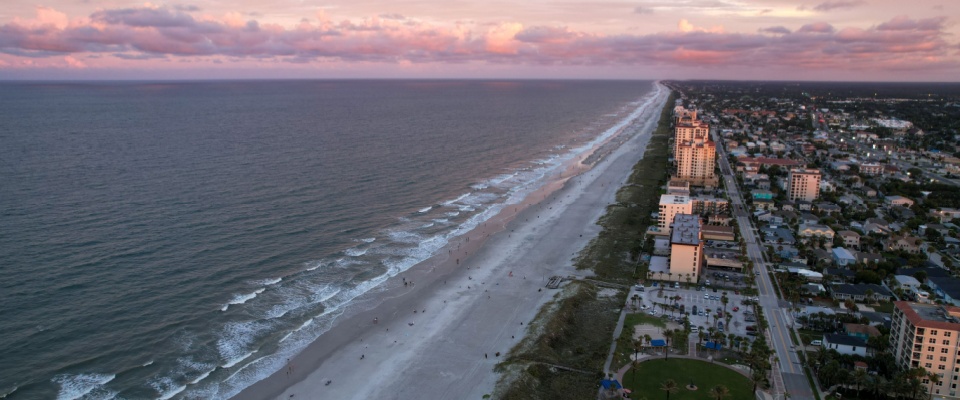
The city’s rental stock reflects that scale. You’ll find garden-style complexes in Southside and Baymeadows, newer mid-rises near St. Johns Town Center, historic brick buildings in Riverside and Avondale, and oceanside apartments in Jacksonville Beach and Neptune Beach. There are also plenty of older two-story buildings tucked into wooded lots, especially near the Intracoastal Waterway.
Finding the right rental apartment in the state capital goes beyond liking the kitchen or closet space. Jacksonville’s flood zones, bridge traffic, and hurricane season can shape your daily life in ways you won’t notice from the listing photos.
Here’s what you need to know about renting in Jacksonville, FL:
- Large parts of the city sit in FEMA flood zones, especially near the St. Johns River and the Intracoastal
- Afternoon thunderstorms are common in summer, and hurricane season runs from June through November.
- The city is huge geographically, and commuting often means crossing a toll bridge.
- Many communities are garden-style with outdoor hallways and surface parking.
- Air conditioning runs most of the year, and older buildings may have aging HVAC systems.
Whether you’re local or moving for work, these questions will help you tour apartments in Jacksonville with a clear head and fewer surprises.
5 questions to ask when touring apartments in Jacksonville, FL
1. Is this property in a flood zone, and has this building ever flooded?
The answer you want: A clear explanation of the property’s FEMA flood zone designation and whether the building has experienced flooding during recent storms. If it’s in a higher-risk zone, ask whether renters insurance must include flood coverage.
Why it matters: Jacksonville sits along the St. Johns River and has miles of coastline and marshland, so flooding is a real concern in certain neighborhoods. Heavy rain, king tides, and hurricanes have all caused water issues in low-lying areas, especially near San Marco, Riverside, and parts of the Beaches.
If you don’t ask, you could end up paying for extra insurance or dealing with water damage after a major storm. Depending on the answer, you’ll know your actual risk before you sign a lease for apartments in Jacksonville near the water.
2. How long does it usually take to get downtown or to the beaches during rush hour?
The answer you want: A realistic estimate for peak traffic — not just “15 minutes without traffic,” but how long it takes at 8 a.m. or 5 p.m. Ideally, they’ll mention specific bridges or highways and whether tolls are involved.
Why it matters: Jacksonville is the largest city by land area in the contiguous U.S., and distances that look short on a map can take much longer in practice.
If you live in Arlington or the Southside and work downtown, your commute may depend on bridge traffic over the St. Johns River. Seaside communities like Jacksonville Beach can feel close, but summer traffic and weekend visitors change the drive time. This question is especially important for anyone relocating who isn’t used to how spread out the city really is.
3. How old is the HVAC system, and has it been serviced recently?
The answer you want: A specific age for the unit and confirmation of recent maintenance. During the tour, look at the air handler closet for a service sticker with a date and check that the vents feel strong and cool.
Why it matters: In Jacksonville, air conditioning is a daily necessity for much of the year. High humidity and long summers put serious strain on HVAC systems, especially in older garden-style buildings built decades ago.
If the system is outdated or poorly maintained, you could face high electric bills or breakdowns during peak heat. A quick look at the unit and a direct question can save you from sweating through August.
4. What’s the parking situation during storms or heavy rain?
The answer you want: Clear details about whether parking is surface-level, covered, or in a garage, and whether certain areas tend to collect water. In some neighborhoods near the river or Intracoastal, you might hear that specific rows or lower spots are more prone to pooling after big storms.
Why it matters: Many rental apartments in Jacksonville are garden-style communities with large surface lots. During intense summer thunderstorms or tropical systems, low spots can flood temporarily, which can damage vehicles.
If you’re touring a property in San Marco, near the Beaches, or close to waterways, you’ll want to know if and where residents move their vehicles during major weather events. Not asking can leave you scrambling to protect your car when a storm rolls in.
5. Are there any pest control treatments included, and how often are they done?
The answer you want: A straightforward explanation of routine pest control, ideally monthly or quarterly, included in the lease.
Why it matters: Jacksonville’s warm, humid climate means palmetto bugs, ants, and mosquitoes are part of life. Garden-style buildings with exterior doors and lush landscaping can make it easier for pests to get inside if treatments aren’t consistent.
During your tour, check door seals, window screens, and ask how residents request extra service if needed. Knowing the pest control plan upfront helps you avoid unpleasant surprises after moving in.
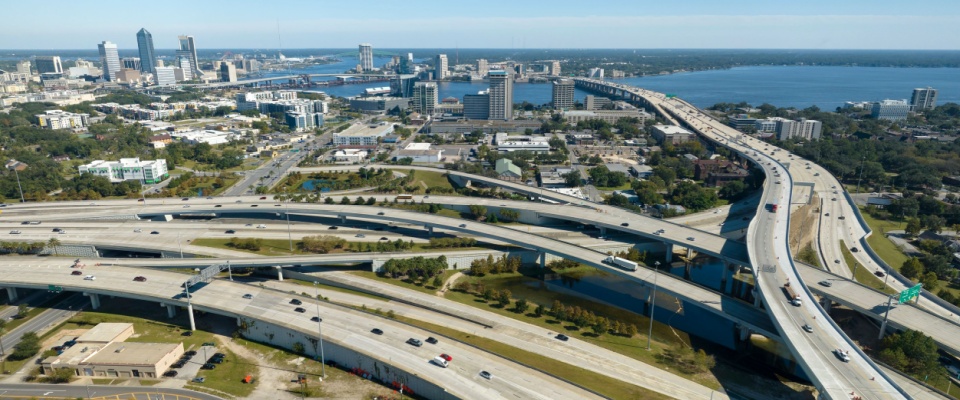
Renting in Jacksonville comes down to more than liking the layout or the pool. Flood zones, bridge traffic, aging HVAC systems, and storm-prone parking lots all play a role in how comfortable your daily life will be.
Before you commit, drive the commute, walk the block, and picture a typical week — from work mornings to stormy summer evenings. That extra effort now can make your experience in Jacksonville a lot smoother.
FAQ: Renting in Jacksonville, FL
Q: Are apartments in Jacksonville located in flood zones?
A: Many apartments in Jacksonville sit near the St. Johns River or the Intracoastal Waterway, where FEMA flood zones are common. Always ask the leasing office for the property’s flood designation and whether renters insurance must include flood coverage.
Q: How bad is traffic when commuting across Jacksonville?
A: Rush hour drives can easily double compared to off-peak times, especially if you need to cross a bridge over the St. Johns River. Ask for a realistic 8 a.m. or 5 p.m. estimate and confirm whether toll roads are part of the route.
Q: Do I need to worry about air conditioning issues in Jacksonville apartments?
A: Because Jacksonville has long, humid summers, HVAC systems work hard for much of the year. During a tour, check the service sticker on the unit and ask when it was last maintained.
Q: Is parking ever a problem during storms in Jacksonville?
Many communities rely on surface parking, which can collect water during heavy rain or tropical systems. Confirm whether certain areas flood and whether residents are advised to move their cars during major storms.
Q: Are pests a common issue in Jacksonville rentals?
A: The warm climate means insects are common, especially in garden-style buildings with exterior entrances. Ask how often pest control is scheduled and inspect door seals and window screens during your tour.
Share this article:


Florin Petrut
Florin Petrut is a real estate writer and research analyst with RentCafe, using his experience as a social media specialist and love for storytelling to create insightful reports and studies on the rental market. With a strong interest in the renter experience, he develops data-driven resources that explore cost of living, affordable neighborhoods, and housing trends, helping renters make informed decisions about where and how they live. Florin holds a B.A. in Journalism and an M.A. in Digital Media and Game Studies.
Sign up for The Ready Renter newsletter
Get our free apartment hunting guide — plus local insights, trends and research.




Related posts
Apartment hunting in Jacksonville, FL? Here’s what to ask before you sign
Jacksonville feels spread out in a way few Florida cities do. You get beaches, river views, and quiet residential pockets, often at a lower price…
A renter’s guide to where new apartments are rising in Jacksonville, FL
Over the last ten years, developers completed more than 32,700 apartments across Jacksonville, reflecting sustained population growth and continued expansion across multiple corridors of the…
Public transit in Jacksonville, FL: What renters need to know
Jacksonville, FL, is one of those cities that really has it all: coastal charm, big city convenience and plenty of personality. With its rivers, beaches…
Subscribe to
The Ready Renter newsletter