Share this article:


Plumbing problems have a way of showing up at the worst possible time, and renting doesn’t make them any less annoying. A slow drain or a running toilet might seem minor, but when ignored long enough, a small issue can turn into a bigger one that requires contacting your property manager, dealing with paperwork and waiting.
The good news is that most rental plumbing problems fall into a handful of predictable categories. Once you know what to look for, you can spot the signs early, complete easy DIY repairs and know when it’s time to bring in a professional.
Top 5 most-common plumbing issues for renters
Slow-draining sinks
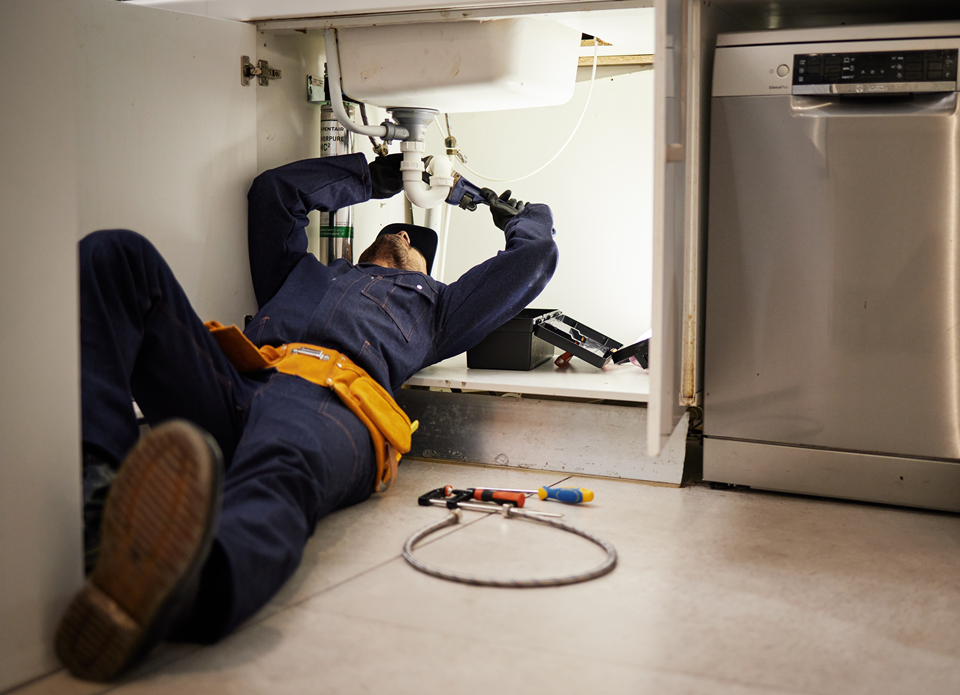
Bathroom sinks slow down over time from a buildup of hair, soap residue and toothpaste. Kitchen sinks usually slow down from grease and food particles working their way into the trap, which is why you should first avoid pouring grease down the drain. A plunger or a drain snake can often clear a simple clog without any chemicals.
Chemical drain cleaners can seem like the fastest fix but skipping them in a rental is usually the safer call if you’re not sure what the pipes underneath are made of. If plain water starts backing up in multiple fixtures at once, that’s a sign the issue is further down the line, and it’s time to contact maintenance instead of troubleshooting on your own.
Water quality
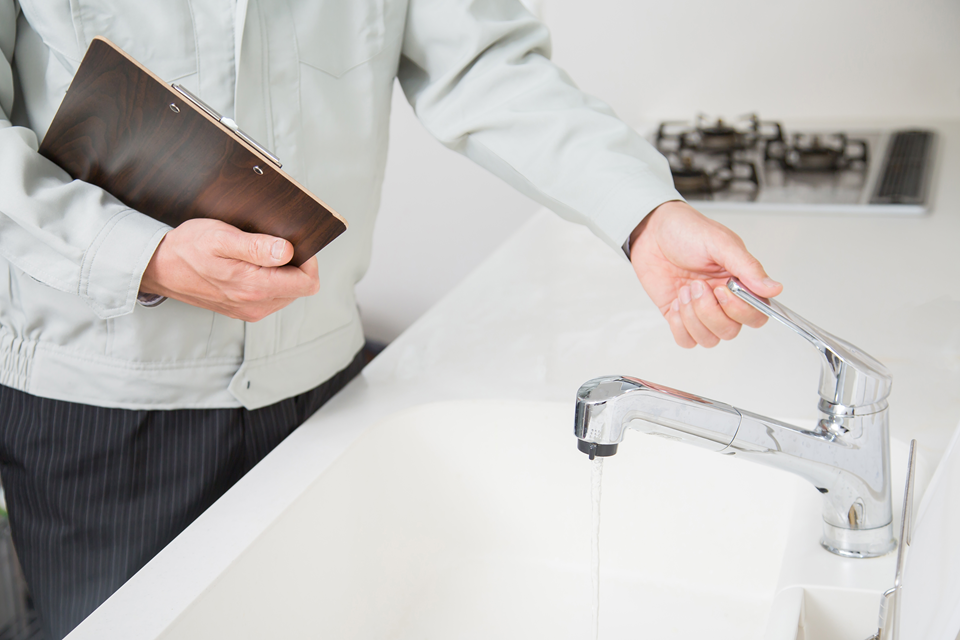
Tap water in an apartment can taste and smell different depending on your building’s plumbing, the local water supply and how old the pipes are. If you’re not thrilled with what’s coming out of your kitchen faucet, you don’t need to install a whole new fixture to fix it. An under-sink filtration system connects in line with your existing faucet, so there’s nothing extra sticking out of your countertop.
One thing worth remembering: anytime a project involves shutting off a water line in a place you rent, reach out to your property manager or building maintenance first. Even simple installs can trigger questions about your lease, and it’s better to have that conversation before you start than after.
Leaky faucets
A dripping faucet is usually caused by a worn-out washer, O-ring or cartridge inside the handle. Steady dripping from the faucet usually points to a washer or cartridge in need of replacement, and leaking around the base usually means it’s the O-ring that needs to be replaced.
If you notice a drip then report it right away, and if your lease allows minor repairs, then a few basic tools can usually solve it in under an hour. Staying on top of maintenance like this isn’t just about comfort either. It’s one of the more reliable ways to get your full security deposit back when you move out.
Old toilet seats
Replacing the toilet seat is one of the first upgrades people make when they move into a new place, for many reasons. Importantly, it’s inexpensive and it’s sanitary. Before you buy one, check whether your toilet bowl is round or elongated. Guessing wrong means a return trip to the store.
If you’re looking for something with more function, bidet attachments that clip onto an existing seat aren’t always the best route. They tend to push the seat forward, and even with a careful install, the seat can end up sliding around. A seat built with bidet functionality already integrated skips that problem altogether and looks like part of the toilet rather than something bolted on.
Shower capability
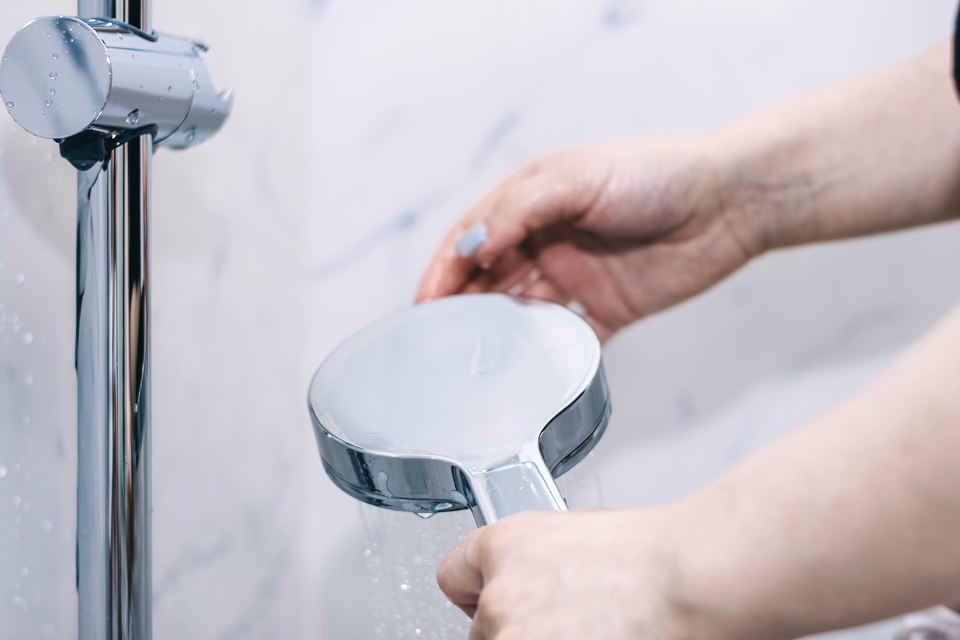
A lot of rentals come with a basic, single-function showerhead that gets the job done and not much else. Changing it out for a two-in-one option gives you a full overhead spray and a detachable hand shower, which comes in handy for rinsing off a pet, cleaning the tub or just getting more flexibility out of a small bathroom.
Hidden leaks
Not every leak announces itself with a puddle. A slowly rising water bill, a musty smell under a cabinet or discoloration on a ceiling below your unit can all point to a leak happening somewhere out of sight, usually inside a wall or under a floor.
These are not DIY situations. Hidden leaks can lead to mold and structural damage fast, so catching one early can save your building a lot of trouble. If something feels off, even if you can’t pinpoint the source, it’s worth flagging to your property manager right away.
Knowing when to DIY and when to call
Most of a renter’s plumbing issues fall somewhere between a quick fix and an online maintenance request. Toilet seats, showerheads and water filters are generally safe territory for a DIY replacement, since they don’t require touching your building’s actual water supply lines. Anything involving a shutoff valve, a wall or a persistent drip that won’t quit is where it’s best to bring in your property manager or a licensed plumber.
Staying on top of the small stuff and knowing where your responsibility ends is truly what keeps a rental comfortable long term. A little awareness now can save you from a much bigger repair bill, and a much less pleasant conversation, down the road.
Share this article:


Mihaela Buzec
Mihaela Buzec is a senior writer, researcher, and online content developer for RentCafe, where she has over 7 years of experience writing about the real estate industry. She authors important resources such as the statistics pages describing generational patterns and renter's guides that help renters in their journey. Her work has appeared in publications such as Apartment Therapy, Indy Star, and Investopedia.
Mihaela is a published researcher who is active in academia as well. She holds a BA in English, an MA in linguistics, and a PhD in neurolinguistics.
Sign up for The Ready Renter newsletter
Get our free apartment hunting guide — plus apartment living tips, trends and research.




Related posts
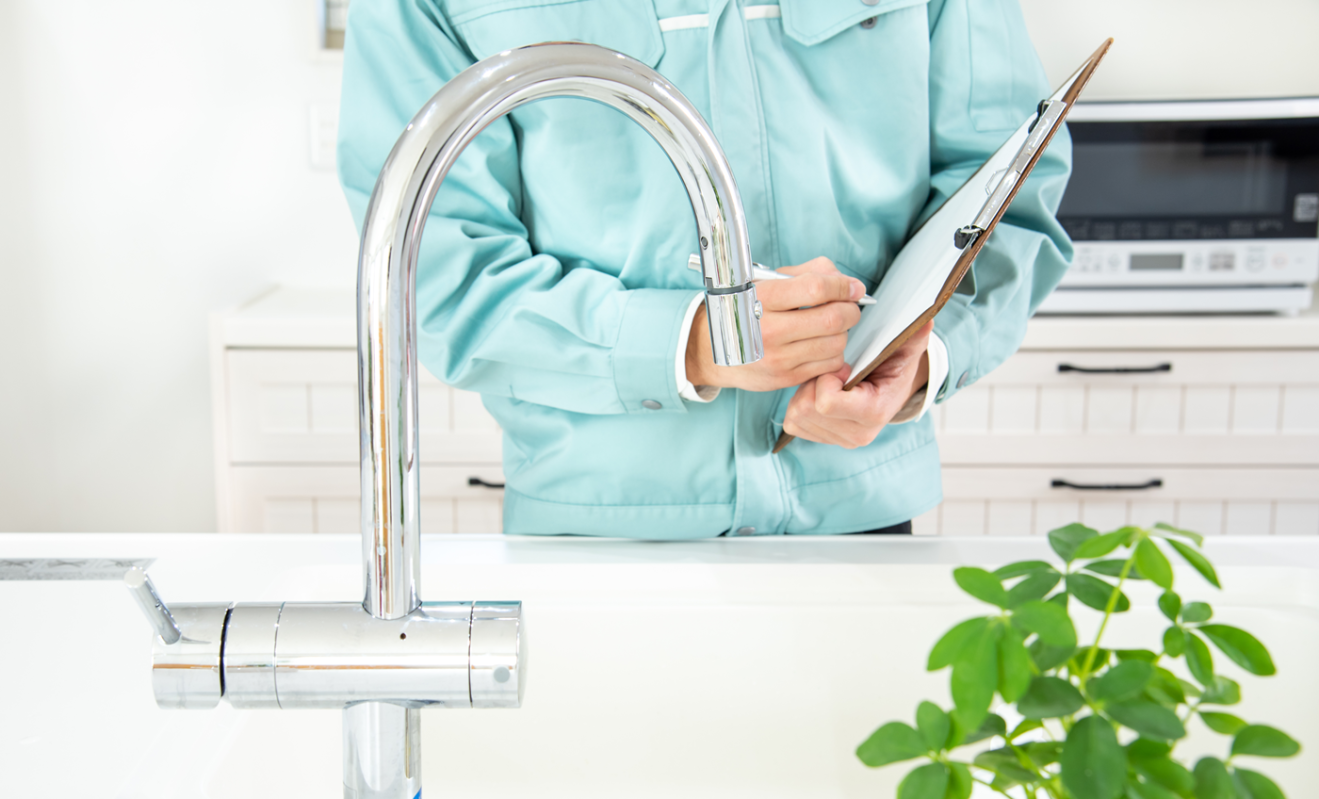
Common plumbing issues renters should know about
Plumbing problems have a way of showing up at the worst possible time, and renting doesn’t make them any less annoying. A slow drain or…
Apartment appliances made easy: How to keep everything running smoothly
Keeping your apartment appliances in good shape helps you save money, prevent emergencies, and extend the life of the things you use every day. For many renters,…
How to prevent your apartment from becoming uninhabitable
Most renters will never face a situation where their home becomes truly unlivable. Still, understanding what makes an apartment uninhabitable can help you know what…
Subscribe to
The Ready Renter newsletter