Share this article:


Your home is your castle — at least, it should be. The first thing you should do when you move into a new place, whether it’s a rental house, condo or apartment, is to ensure it’s safe and secure. Here are 10 of the best apartment security tips for renters and how to implement them.
1. Do a security assessment
When you find an apartment you like, check the safety of the building, as well as the safety of the surrounding area. What are the crime stats for the neighborhood? What kind of crimes are common? If you can, talk to residents on the block about experiences they’ve had with local crime and how safe it feels to live there.
Next, look over the building carefully. Is the exterior well lit? Are all the entrance locks secure and functioning? Are there cameras installed? Is there full-time security staff on the premises?
Don’t forget to look at the parking area, too. Is it someplace you’d feel safe if you arrived home late at night, alone?
2. Install a renter-friendly security system

A number of companies offer modestly priced, renter-friendly security systems that don’t require drilling or major installation that might get you in trouble with your landlord. These systems generally use cameras and sensors with adhesive backing, so you don’t risk damaging your rental.
Many also use a cellular transmission system so the system will remain operational, even if the power goes out. If you’re not sure if your landlord will allow installation, call and ask, or send him a message through a convenient landlord app.
3. Meet the neighbors
Introduce yourself to your new neighbors and check in with them from time to time. If everyone in the neighborhood knows each other, it’s more likely they’ll look out for each other. Keep lines of communication open, even if it’s through neighborhood apps such as Nextdoor or Citizen. It can help spread the word if your neighborhood gets hit with package thieves or other common criminal nuisances.
4. Consider getting a dog
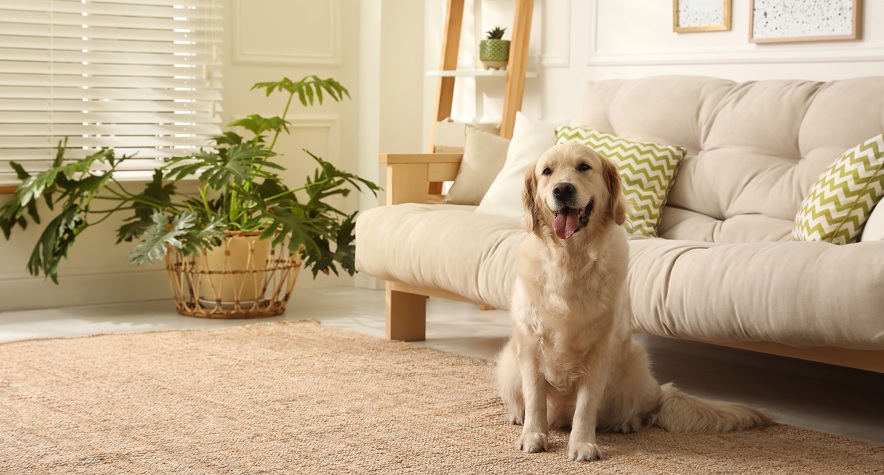
Security experts agree that one of the most effective burglary deterrents is having a dog in the house. The noise and potential harm a dog would cause is enough to push would-be burglars to try a different house. Your pet doesn’t have to be a large, fierce dog either. A small one is equally effective.
A dog in the house is an “occupancy cue.” It’s a sign to would-be criminals that your home might have someone there. Because burglars avoid homes that are occupied, these occupancy cues are excellent ways to drive them away.
5. Make your apartment look occupied when you’re gone
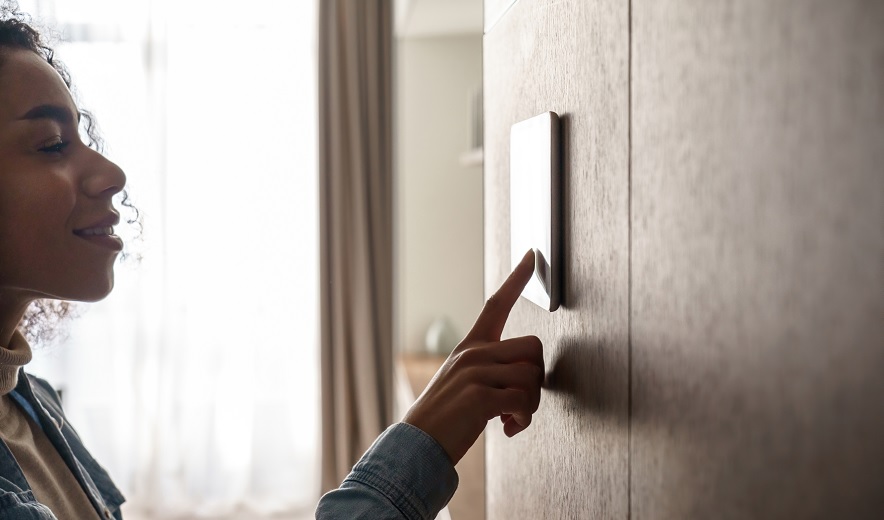
If you’re leaving your apartment for an extended period of time, try to use occupancy cues to deter thieves and burglars. You can buy inexpensive smart lighting timers that will turn your lights on and off at random times so it looks like someone’s home. You can also buy TV light simulators to make it look like someone’s watching TV.
At the very least, avoid obvious signs that you’re away. Move your car if it’s conspicuously parked and arrange with a neighbor to pick up your mail and packages.
6. Don’t mention vacations or absences on social media
Another important apartment security tips is to not announce to the world that you’re going away on vacation. Burglars monitor social media platforms, and if you tell the world you’re going to be away from home for the weekend, they could target your apartment. Make your profile private and post those vacation photos after you get home.
7. Upgrade your locks

Most landlords will change the locks when a new tenant moves in, but they don’t always take this precaution. That means there could be multiple copies of your house key.
To be safe, many experts suggest changing the locks when you move in. While you’re at it, consider a heavy-duty deadbolt for added security or a security bar that will wedge your door closed when you’re inside.
Don’t forget to consult with your landlord before you have work done on your apartment or you could put your security deposit at risk. With today’s rent-to-income ratio, that could be a significant amount of money.
8. Consider a safe or a safety deposit box
If you have valuables, such as jewelry or cash, in your apartment, consider securing them in a safe. That way, if thieves do intrude in your apartment, they won’t be able to access your most valuable items. For added security, store your valuables offsite, in a safety deposit box at your bank.
9. Don’t forget windows and sliding doors
With all the emphasis on your front door, don’t forget to secure other access points into your apartment. Make sure your window locks are secure and functioning and invest in some heavy curtains or drapes so people can’t look directly into your home.
If you have sliding doors in your apartment, consider getting a security bar for added protection. Sliding doors are notorious for weak locks and security flaws, and a bar will physically keep them from being opened from the outside.
10. Carry renter’s insurance
If something does happen, renter’s insurance can provide a much-needed financial cushion. Renter’s insurance generally covers your personal property and is more affordable than other types of insurance.
Final thoughts on apartment security
Securing your apartment takes a lot of work, but we hope that these apartment security tips have helped you. Although it can take a lot of time and money to install a security system, cultivate relationships with your neighbors and pay for renter’s insurance. These things will definitely help you feel safe in your home and that’s the most important thing.
Share this article:


Mihaela Buzec
Mihaela Buzec is a senior writer, researcher, and online content developer for RentCafe, where she has over 7 years of experience writing about the real estate industry. She authors important resources such as the statistics pages describing generational patterns and renter's guides that help renters in their journey. Her work has appeared in publications such as Apartment Therapy, Indy Star, and Investopedia.
Mihaela is a published researcher who is active in academia as well. She holds a BA in English, an MA in linguistics, and a PhD in neurolinguistics.
Sign up for The Ready Renter newsletter
Get our free apartment hunting guide — plus useful renting tools, trends and research.




Related posts
Common plumbing issues renters should know about
Plumbing problems have a way of showing up at the worst possible time, and renting doesn’t make them any less annoying. A slow drain or…
5 practical tips for renters adjusting after a move
Moving into a rental property is a major life moment. Whether you relocated across town or to another city, the transition can feel both exciting…
Apartment appliances made easy: How to keep everything running smoothly
Keeping your apartment appliances in good shape helps you save money, prevent emergencies, and extend the life of the things you use every day. For many renters,…
Subscribe to
The Ready Renter newsletter