
Share this article:


Living in Denver, Colorado, comes with many perks, and unrestricted access to winter sports during the cold season is one of them. From skiing to ice skating to snowmobiling, and more, there are so many options for outdoor winter fun in and around the Mile High City.
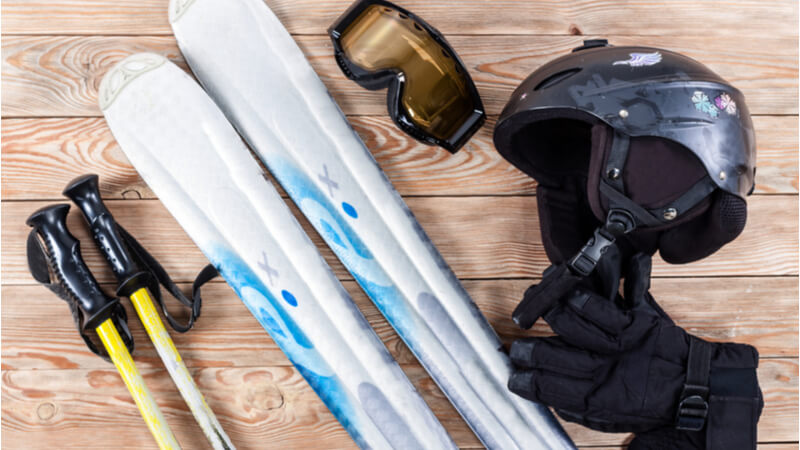
However, one of the particularities of winter sports is that they usually involve some sort of equipment, be it skis, snowboards, sleds and outdoor apparel. Even a simple hike in winter requires heavy protective clothing and winter boots. Storing all that stuff at home takes up a lot of space – particularly if your entire family enjoys these activities, and you must find space not just for one set of winter sports accessories but for several. Also, you need to be careful where and how you store your items, both between uses, and long-term when the season is over.
Here’s all you need to know about storing your winter sports gear in Denver, Colorado:
Make sure that your gear is clean and dry before storing it
That’s important not only for end-of-season, long-term storage of winter sports gear but also when you are simply putting away your items between uses. Whether it’s skis, boots, waterproof outerwear, snowboards, gloves, sleds, skates, and so on, they will inevitably get snow on them, and once you bring them indoors, they will get wet. Even if you are planning to use those items again shortly, it’s still a bad idea to dump them in your garage covered in snow.
Remove snow from your gear as soon as you get back home, then use a cloth to dry off boots, skis and other similar items. As for protective outerwear, you should hang it in a dry and warm place until all the moisture is gone, and only after can you fold it and put it in a closet. Even if it sounds like a bit more work than you feel like doing after a long day of hitting the slopes, you definitely should. Mold and mildew can easily grow on humid items left in the garage or in the basement for a week or so.
Smart winter sports gear storage solutions at home
Winter sports gear can be quite bulky, so it’s generally difficult to find space for these items in your home closets. Storing them in your garage or in your basement is a better solution – just make sure they’re well protected from excessive humidity and other environmental factors while in there. Here are some ideas to add extra storage space to your garage or basement:
- Wall mounted storage racks are excellent for storing multiple pairs of skis and snowboards while taking very little space. It’s a great idea to get one that also has space for helmets and boots. If you don’t like the idea of wall-mounted racks, pick a free standing one.

- Ceiling racks are also an excellent solution for storing various winter sports items, even bulkier ones, like sleds. However, double check to ensure your basement or garage is high enough for mounting such racks without risking accidents.
- Slat wall paneling is another smart way to add extra storage to your garage or basement. You can fit it with different hooks, racks and shelves, helping you to store a wide variety of items, big or small.
Get self storage
Sometimes, no matter how hard you try, you simply don’t have enough space to store all your winter sports gear at home, particularly while not in use. Once the cold season is over and you won’t be able to indulge in your favorite winter sports for a good six months or so, it’s a good idea to rent a self storage unit in Denver for all your gear. Here’s what unit size you should get, depending on what items you need to store:
- A 5’x5’ unit is just the right size when you need to store smaller items like skis, snowboards, boots and protective outerwear. The monthly rate for this type of unit in Denver hovers around $52.
- In case you have bulkier equipment to store, such as bobsleds, standard sleds, hockey equipment for several people and so on, you should choose a 5’x10’ unit. Such a unit rents for approximately $76 in Denver.
- A 10’x10’ storage unit is recommended to people who need to store a variety of winter sports equipment, including large items like snowmobiles. You’ll also have some space left for other items from around the house you would rather keep in storage. This unit size rents for about $127 per month in Denver.
How to prepare your winter sports gear long-term storage
There are some rules you need to follow when putting your winter sports gear in storage at the end of the season. Good quality sports equipment tends to be quite pricy, and you want to protect it so that you’re able to enjoy it for years to come. Here’s what you need to do:
- Prepping a snowmobile for storage starts with giving it a thorough wash. Then, pour some fuel stabilizer into the tank, and use a grease spray to lubricate all the metal parts to prevent rusting. Cover the snowmobile with a tarp, even if you put it in a storage unit, to protect it from dust and other environmental factors.

- Clean your skis, snowboards, skates, sleds and so on, making sure you remove all the dirt, grime and salt that probably accumulated on them. You can use warm soapy water for that purpose and then wipe them dry.
- Wax your skis or snowboards thoroughly with a dedicated product. Strap your skis together. Hang, lean or lay them on the floor, on their sides, is fine. Just make sure you don’t stack other items on top of your skis or snowboards – that can cause warping and bending.
- Ski boots also need to be thoroughly cleaned, inside and out, and allowed to dry off completely. Buckle or lace your boots before putting them in storage – that will help them keep their shape.
- Clean your protective outerwear according to the care tags and store them in garment bags.
Self storage is a good place for storing not only winter sports gear but also other items you don’t really use during summertime, such as holiday decorations or snowblowers. This way, you’ll be able to enjoy a neat and uncluttered home.
Share this article:


Maria Gatea
Maria Gatea is a Senior Editor & Research Writer for Yardi with a background in Journalism and Communication. After covering business and finance-related topics as a freelance writer for 15 years, she is now focusing on researching and writing about the real estate industry. You may contact Maria via email.
Sign up for The Ready Renter newsletter
Get our free apartment hunting guide — plus tips, trends, and research.




Related posts

How do you get around using public transit in Oakland, CA?
Oakland sits at the center of the Bay Area’s transit map, which matters more than almost any other factor when you’re comparing apartments. Trains, buses…

Pittsburgh, PA, vs. Philadelphia: Which city fits your renter budget?
Pittsburgh and Philadelphia share a state, but they don’t share a price tag. That’s why a cost-of-living comparison is the first thing worth checking before…

What is a holding deposit? A renter’s simple guide
A holding deposit is money you pay a property manager to take a rental off the market while your application is reviewed. It shows you’re…
Subscribe to
The Ready Renter newsletter