
Share this article:


Security deposits are a standard part of most rental agreements. They’re usually collected at the start of the lease and held until the renter moves out. The idea is simple: The landlord can use the deposit to cover repairs if the rental apartment is returned with damage beyond typical use.
But, here’s where things can get confusing: What counts as damage, and what’s just normal aging? That’s where the concept of “normal wear and tear” comes in. Understanding what is considered as normal wear and tear helps both renters and landlords avoid disagreements and ensures security deposits are handled fairly.
What is “normal wear and tear”?
“Normal wear and tear” refers to the gradual deterioration that happens to a property over time simply from living in it. It’s the type of aging that’s expected and unavoidable, even when renters take good care of the space.
This is different from renter-caused damage, which results from accidents, neglect or misuse. While landlords are responsible for fixing or updating worn-out items that show signs of regular use, they’re not obligated to cover repairs for actual damage caused by renters.
Examples of normal wear and tear include:
- Paint that has faded or chipped due to sunlight
- Carpet that shows moderate wear from foot traffic
- Scuff marks on the wall from furniture or daily activity
- Loose doorknobs that come undone from long-term use
- Blinds or curtains that are discolored from sun exposure
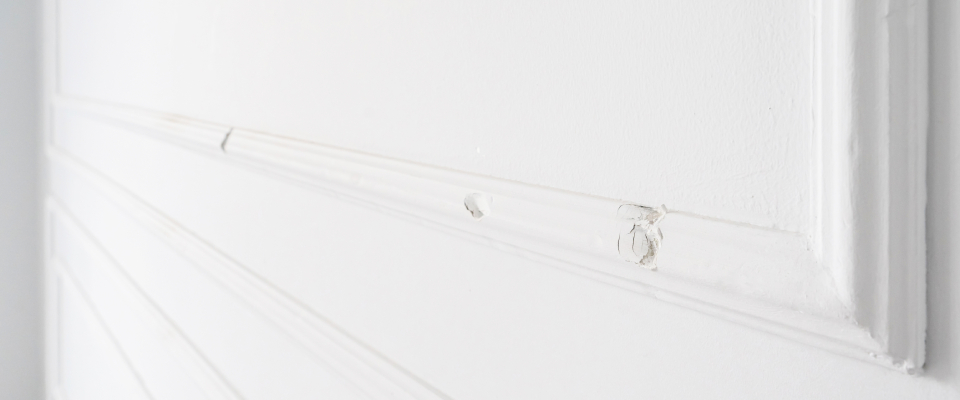
On the other hand, things like holes in the walls or stained carpets are considered renter damage. The difference comes down to how the issue occurred — gradual aging versus preventable harm.
Why does it matter for your security deposit?
Security deposits are meant to protect landlords from unexpected repair costs that go beyond ordinary wear and tear. That’s why it’s so important for renters to understand the distinction — your deposit should not be used to cover normal wear and tear.
Landlords are responsible for maintaining the property over time. That includes repainting between renters, replacing worn carpet when needed and handling basic upkeep. Meanwhile, renters are expected to return the unit in good condition and take care of it during their lease.
Thus, understanding what is normal wear and tear can help prevent unfair deductions from your deposit. What’s more, it gives you a clearer picture of what’s expected at move-out so you can plan accordingly.
Examples: Normal wear & tear vs. renter-caused damage
To make the difference clearer, here’s a side-by-side look at what usually counts as “normal wear and tear” versus damage that’s been caused by a renter:
| Normal Wear & Tear | Tenant-Caused Damage |
|---|---|
| Small nail holes in walls | Large holes or punched drywall |
| Faded blinds or curtains | Broken or missing blinds |
| Minor carpet wear in high-traffic areas | Large carpet stains or burns |
| Slow drain due to pipe aging | Clogged drain from hair buildup |
| Loose doorknob from frequent use | Broken door frame from force |
These comparisons help show where landlords typically draw the line when deciding whether to deduct from a deposit.
How landlords assess the condition
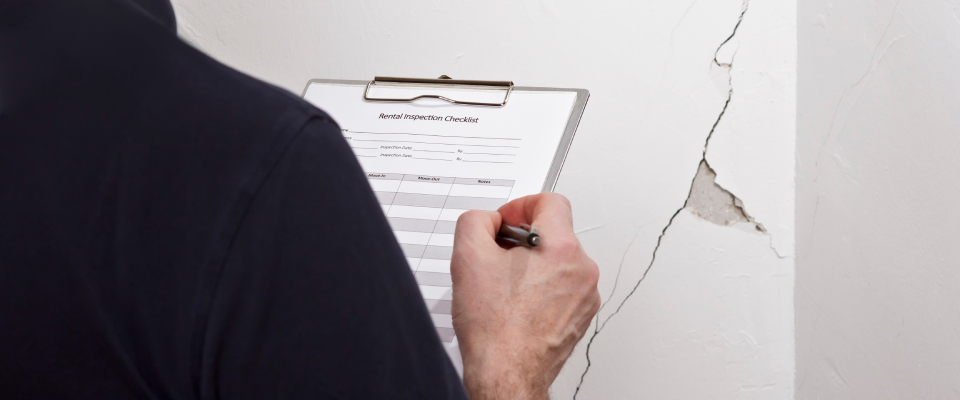
Landlords usually perform two inspections — one when the renter moves in and another when they move out. These inspections are crucial to assessing wear and tear versus damage.
It’s common practice for both parties to fill out a move-in checklist or inspection form. This document often includes photos and detailed notes, which are used later to compare the unit’s condition at move-out.
Additionally, state and local laws may regulate how landlords handle security deposits. In many places, they’re required to return the deposit within a certain timeframe and provide a written list of deductions. Some states even define what counts as normal wear and tear to protect renters. Therefore, understanding the inspection process and keeping good records helps protect your rights.
Protecting your security deposit as a renter
There are a few simple ways to protect your deposit and avoid being charged for damages you didn’t cause:
- Document everything. Take photos of the unit on day one and again before moving out.
- Clean regularly. Routine cleaning prevents regular wear from turning into actual damage.
- Report problems early. Let your landlord know about leaks, slow drains or appliance issues.
- Return the unit in good shape. Try to leave it in the same condition you received it, aside from normal wear and tear.
- Request a walk-through. Ask for a final inspection so you can discuss any potential issues in person.
Following these steps shows you’ve been a responsible renter — and gives you proof if there’s a disagreement.
What to do if your deposit is withheld
If your landlord withholds part or all of your deposit and you disagree, here’s what to do:
- Ask for an itemized list. Most states require landlords to explain what the deductions are for.
- Check your lease and state laws. Some places cap how much can be charged for certain repairs.
- Dispute unfair charges. Send a written response and include your own documentation.
- Try to resolve things calmly. Friendly communication can often solve the issue without legal action.
- Consider mediation or small claims court. If needed, you can take further steps to recover your deposit.
Being informed and organized gives you a stronger position when navigating a deposit dispute.

Knowing what counts as normal wear and tear — and how it differs from renter-caused damage — can make a big difference when it’s time to move out. It helps ensure you’re only held responsible for actual damage, not everyday use.
Plus, clear documentation and open communication protect both renters and landlords from unnecessary conflict. Whether you’re moving out next week or next year, keeping track of the condition of your unit and knowing your rights will help you get your security deposit back without trouble.
Share this article:


Florin Petrut
Florin Petrut is a real estate writer and research analyst with RentCafe, using his experience as a social media specialist and love for storytelling to create insightful reports and studies on the rental market. With a strong interest in the renter experience, he develops data-driven resources that explore cost of living, affordable neighborhoods, and housing trends, helping renters make informed decisions about where and how they live. Florin holds a B.A. in Journalism and an M.A. in Digital Media and Game Studies.
Sign up for The Ready Renter newsletter
Get our free apartment hunting guide — plus renting tips, trends and research.




Related posts

What should renters check about windows before moving into an apartment?
When you’re touring a rental apartment or doing a final walkthrough before signing a lease, it’s easy to focus on the big-picture items: square footage,…

What is a holding deposit? A renter’s simple guide
A holding deposit is money you pay a property manager to take a rental off the market while your application is reviewed. It shows you’re…

Timing your apartment tour: How light, noise and traffic change by the hour
Most apartment tours happen between 10 a.m. and 5 p.m., when leasing offices are staffed and the sun is doing the apartment a favor. The…
Subscribe to
The Ready Renter newsletter