
Share this article:


Unlike a traditional studio, where everything shares one open room, an alcove studio gives renters a bit more definition and privacy without the cost or size of a one-bedroom. For many renters, it’s a smart middle ground between affordability and comfort.
Below, we’ll break down exactly what an alcove studio (sometimes called an alcove apartment) is, where you’re most likely to find one, whether it can be rented out like a standard apartment, and the pros and cons to consider before signing a lease.
What is an alcove studio apartment?
An alcove studio is an apartment with a dedicated nook or recessed area that’s typically used as a sleeping space. This alcove is usually open to the rest of the apartment but set apart by a partial wall, an L-shaped layout, or a short hallway.
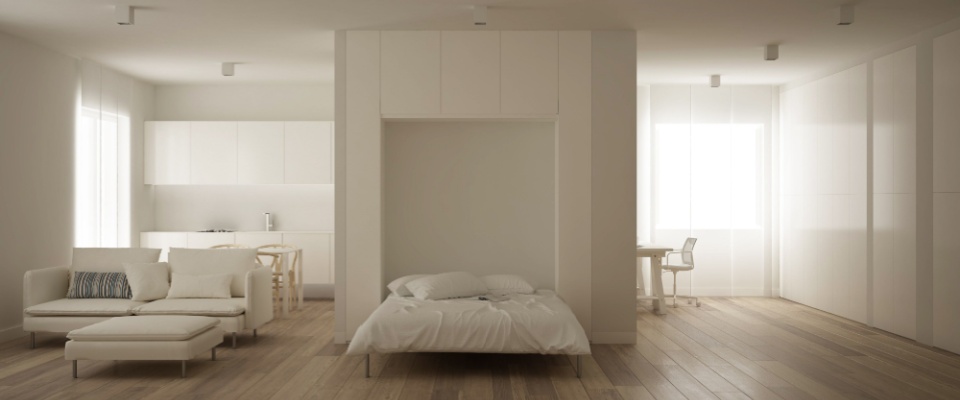
The key difference between a standard studio and an alcove studio is layout. In a traditional studio, your bed, couch, kitchen, and dining area all live in one open rectangle. In an alcove studio, the sleeping area feels more separate, even though it’s not fully enclosed with walls and a door.
Because of this layout, many renters describe an alcove studio as “studio-plus” or “almost a one-bedroom.” It doesn’t legally qualify as a one-bedroom in most cases, but it often feels more livable than a basic studio.
Is an alcove studio the same as an alcove apartment?
You’ll often hear the terms alcove studio and alcove apartment used interchangeably. In most rental listings, they mean the same thing: a studio apartment with a defined alcove area.
Occasionally, “alcove apartment” may be used more broadly to describe any unit with a recessed space, but in practice, it almost always refers to an alcove studio layout. If you see either term in a listing, it’s a good idea to look closely at the floor plan to understand how separated the alcove really is.
Can an alcove studio be legally rented out?
Yes, alcove studios are legal rental units, as long as they meet local building codes and housing regulations. They are typically classified as studio apartments, not one-bedrooms.
That distinction matters because some cities have strict rules about what qualifies as a legal bedroom. For example, many jurisdictions require a bedroom to have:
- A minimum square footage
- A window for light and ventilation
- A door that fully closes
Most alcove studios don’t meet all of those requirements for the sleeping area, which is why landlords market them as studios rather than one-bedrooms. From a renter’s perspective, that usually doesn’t affect your ability to lease the unit — it just affects how it’s labeled and priced.
Where are alcove studios most commonly found?
Alcove studios are most common in large, high-density cities where space is at a premium. You’re especially likely to find them in:
- New York City (particularly Manhattan and parts of Brooklyn)
- Boston
- Chicago
- San Francisco
- Washington, D.C.
- Seattle
In New York City, the alcove studio is especially popular. Many pre-war and mid-century buildings were designed with layouts that naturally created alcoves, and newer luxury developments often include alcove studios as a way to offer variety without adding full one-bedroom units.
But alcove apartments are not exclusive to one city. As urban renters across the country prioritize efficient layouts, more developers are incorporating alcove studios into new apartment buildings nationwide.
Typical features of an alcove studio
While every unit is different, most alcove studios share a few common features:
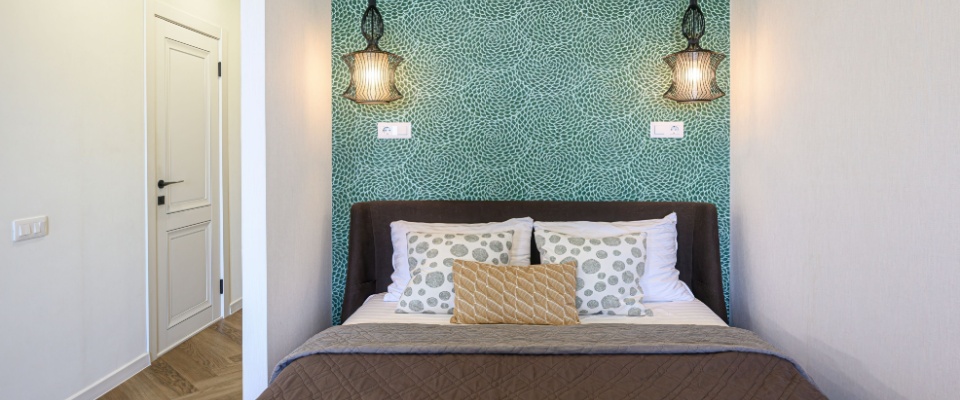
- A defined sleeping alcove. This is the hallmark of the layout. The alcove may fit a full or queen-size bed and sometimes a small nightstand.
- An open connection to the main living area. The alcove is usually not fully enclosed, though some renters add curtains, sliding panels, or bookshelves to create more privacy.
- A compact but efficient floor plan. Alcove studios often feel less cramped than traditional studios because the space is broken up visually.
- Standard studio amenities. You’ll typically have one bathroom, a kitchenette or full kitchen, and a combined living and dining area.
Pros of renting an alcove studio
An alcove studio can be a great option for many renters, especially those living alone. Some of the biggest advantages include:
- More privacy than a standard studio. Having your bed tucked away makes it easier to separate sleeping and living spaces, especially if you work from home or host guests.
- More affordable than a one-bedroom. Alcove studios are usually priced between studios and one-bedrooms, making them a budget-friendly compromise.
- Better layout for furniture. With the bed out of the main room, you have more flexibility for a sofa, desk, or dining table.
- Feels more like a “real” apartment. For first-time renters or those downsizing, an alcove apartment often feels more structured and comfortable than a basic studio.
Cons of renting an alcove studio
Despite their appeal, alcove studios aren’t perfect. Here are a few drawbacks to consider:
- Limited natural light in the alcove. The sleeping area may not have a window, which can make it feel darker or less ventilated.
- Not a true bedroom. There’s usually no door, which means less sound privacy and limited separation.
- Can feel small if poorly designed. Some alcoves are tight and awkwardly shaped, making them harder to furnish.
- Resale and roommate limitations. If you plan to share the apartment or eventually sublet, the lack of a proper bedroom may be a downside.
Who is an alcove studio best for?
An alcove studio is often ideal for:
- Single renters who want separation without higher costs
- Urban professionals working hybrid or remote jobs
- Renters who entertain occasionally but don’t need a second room
- People who value layout over total square footage
If you need a fully private bedroom or plan to live with a roommate, a one-bedroom may be a better fit. But for solo renters, alcove studios strike a strong balance.
Is an alcove studio worth it?
For many renters, an alcove studio offers the best of both worlds. You get more privacy and structure than a traditional studio, without paying the premium for a one-bedroom. While it’s not a perfect solution for everyone, the alcove apartment has become a popular and practical option in competitive rental markets.
If you’re apartment hunting and see this setup on a listing, take a close look at the floor plan and imagine how you’d use the space. A well-designed alcove studio can feel surprisingly spacious and for the right renter, it can feel like home.
FAQs: Alcove studios
Q: Is an alcove studio considered a one-bedroom?
A: No. An alcove studio is usually classified as a studio because the sleeping area is not fully enclosed.
Q: Do alcove studios usually have windows in the sleeping area?
A: Sometimes, but not always. Many alcoves borrow light from the main living space.
Q: Are alcove studios cheaper than one-bedroom apartments?
A: Yes, in most markets, they rent for less than one-bedroom apartments but more than standard studios.
Q: Can you put a wall or door in an alcove studio?
A: Renters usually cannot add permanent walls, but temporary dividers or curtains are common.
Q: Are alcove studios only found in New York City?
A: No. While NYC is known for them, alcove studios exist in many major U.S. cities.
Share this article:


Alexandra Both
Alexandra Both is a senior real estate writer and research analyst with RentCafe. She brings over 10 years of real estate writing experience, having served as a senior editor at Commercial Property Executive and Multi-Housing News. A seasoned journalist, Alexandra has worked across print, online, and broadcast media. Her work has been featured in a variety of prominent outlets, including The New York Times, The Guardian, USA Today, and Architectural Digest. She holds a B.A. in Journalism and an M.A. in Community Development.
Sign up for The Ready Renter newsletter
Get our free apartment hunting guide — plus renting tips, trends and research.




Related posts

What should renters check about windows before moving into an apartment?
When you’re touring a rental apartment or doing a final walkthrough before signing a lease, it’s easy to focus on the big-picture items: square footage,…

What is a holding deposit? A renter’s simple guide
A holding deposit is money you pay a property manager to take a rental off the market while your application is reviewed. It shows you’re…
Timing your apartment tour: How light, noise and traffic change by the hour
Most apartment tours happen between 10 a.m. and 5 p.m., when leasing offices are staffed and the sun is doing the apartment a favor. The…
Subscribe to
The Ready Renter newsletter