
Share this article:


If you’re searching for apartments for rent, chances are you’ve seen paperwork like applications, background checks, and lease agreements. But there’s one document many renters overlook, even though it can directly affect their health and safety: the lead-based paint disclosure.
While it might sound like a technical, boring detail, understanding this disclosure could be vital for your health, especially if you’re about to rent an apartment in an older building.
So, what exactly is it, and why does it matter so much to you as a renter? Let’s dive in.
What is a lead-based paint disclosure?
When a landlord provides a lead-based paint disclosure form, they’re not just giving you a heads-up; they’re complying with a federal law. This law, known as the Residential Lead-Based Paint Hazard Reduction Act of 1992 (or Title X), mandates that landlords and sellers of pre-1978 homes must disclose any known information about lead-based paint and lead-based paint hazards. They also have to give you a pamphlet that provides crucial information about the risks.
Why 1978? That’s the year the federal government banned lead-based paint for residential use. Before that, lead was a common ingredient because it made the colors more vibrant and durable. Unfortunately, we now know that lead is highly toxic, especially when ingested or inhaled.
Why is the lead-based paint disclosure so important for renters?
So, you’ve found an amazing apartment in a cool, historic neighborhood. The building was completed in 1955, giving it distinct charm and character. But it also falls into the pre-1978 category. This is where the lead-based paint disclosure becomes your best friend.

Lead poisoning is a serious health issue. While it’s particularly dangerous for young children and pregnant women, it can affect adults, too. Lead can enter your body if you breathe in lead dust or swallow lead chips. This often happens when old paint cracks, peels, or is disturbed during renovations. Symptoms can be subtle at first, like headaches or fatigue, but long-term exposure can lead to more severe problems.
Because of these health risks, the lead-based paint disclosure is a critical tool for your safety.
What information must be included in the lead-based paint disclosure form?
When you’re presented with a lease agreement, take a good look at the paperwork included. By law, a lead-based paint disclosure form must clearly state:
- Whether the landlord knows about the presence of lead-based paint.
- Any records or reports related to lead hazards in the unit.
- Confirmation that renters have received the official EPA pamphlet on lead safety.
Both the landlord and the tenant must sign the form, making the disclosure part of the official lease package. If you never see the document, ask your landlord about it.
If the landlord discloses that the property contains lead-based paint, that doesn’t automatically mean you should walk away. But it does mean you need to be extra cautious.
Ask questions such as:
- Has the lead paint been sealed or stabilized?
- Are there areas where paint is peeling or chipping?
- When was the last inspection or maintenance done?
Also, you should know that the law doesn’t require the landlord to remove the lead paint in case it exists, but it does require them to inform you about its presence.
Why does the lead-based paint disclosure matter so much?
It matters because prevention is the best protection. Once lead dust or chips are present in a home, it’s difficult and costly to remove. But as a renter, you’re not expected to handle abatement or removal yourself. What you can do is make sure you know the risks before signing the lease.
By reviewing the lead-based paint disclosure form, you gain peace of mind. If the form indicates no knowledge of hazards, you can still visually inspect the unit for signs of damage. If hazards are known, you can decide whether you feel comfortable renting the space or whether you’d rather keep looking.
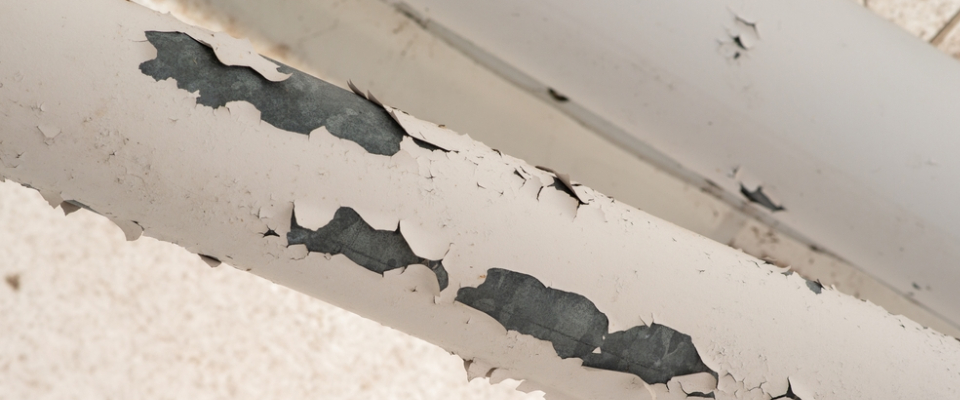
The lead-based paint disclosure might not seem like the most exciting part of renting an apartment, but it’s one of the most important. It’s there to protect you, your family, and anyone else who may live in the unit.
Whether you’re moving into your very first place or searching for a new apartment in a different city, ask the landlord about the lead-based paint disclosure form and read it carefully — especially if you’re about to sign a lease for a property built before 1978.
If you already live in an older rental and haven’t received a disclosure, it’s important to know that you have the right to request one.
Share this article:


Veronica Grecu
Veronica Grecu is a senior creative writer and research analyst for RentCafe. With more than 14 years of experience in the real estate industry, she covers a variety of topics in the apartment market, including rental competitiveness, new construction and other industry trends. Her work has been featured in top publications like The New York Times, The Washington Post, The Wall Street Journal, The Philadelphia Inquirer, The Miami Herald, CNN, CNBC, and more. Prior to RentCafe, Veronica was involved in producing real estate content for Multi-Housing News, Commercial Property Executive and Yardi Matrix. She holds a B.A. in Applied Modern Languages and an M.A. in Advertising and PR.
Sign up for The Ready Renter newsletter
Get our free apartment hunting guide — plus renting tips, trends and research.




Related posts

The future of rental approvals beyond traditional screening methods
Key takeaways: Traditional screening tools like credit scores and W-2s often fail to reflect a renter’s true ability to pay — leaving freelancers, retirees, and…

Scoring your dream apartment: What property managers look for (and how to stand out)
Finding the perfect rental property in a competitive market can feel like a race against the clock. When a great apartment opens up in the…

Can portable tenant screening reports help renters get approved?
Finding a rental today means competing with dozens of other applicants, paying $50 or more per application, and often having to start the process over…
Subscribe to
The Ready Renter newsletter