Share this article:


Over the last decade, developers have completed nearly 56,000 new apartments across Washington, D.C., offering renters modern living options with efficient access to Metro lines, federal employment, and urban amenities. Understanding where construction has been concentrated can help apartment hunters find the best combination of location, value, and lifestyle fit.
Which Washington, D.C. neighborhoods added the most apartments?
Here’s where construction focused in the last decade:
-
- Zip code 20002 added 14,878 new apartments — the most in the metro area.
- Zip code 20003 gained 11,327 new rentals.
- Zip code 20024 welcomed 7,301 new apartments.
- Zip code 20001 added 6,679 new rentals.
- Zip code 20009 built 2,869 new apartments.
Living in Washington, D.C., offers a balance between the energy of the nation’s capital and the walkability of its historic neighborhoods, with the cost of living here being about the same as the state average and roughly 39 percent higher than the national average.
To help renters navigate this expanding market, we’ve identified the areas where new apartment development is most concentrated.
14,878 new apartments put zip code 20002 at the top of Washington, D.C.’s construction list
Zip code 20002 added 14,878 new apartments, making it Washington, D.C.’s most active area for new residential development. The zip code covers the H Street Corridor and NoMa, including areas near Union Station and Gallaudet University. Transit options include the Red Line Metro, Amtrak, MARC commuter rail, and the DC Streetcar.
Major employers include the U.S. Capitol and congressional offices, federal agencies, Gallaudet University, and Georgetown University Hospital, with downtown reachable in about 10–20 minutes. Residents enjoy a mix of historic rowhouses and contemporary glass towers near Union Market.
Zip code 20003 added 11,327 new apartments
Zip code 20003 gained 11,327 new apartments, reflecting continued residential growth in the historic Capitol Hill neighborhood. The zip code sits east of the U.S. Capitol and includes the Eastern Market and Barracks Row commercial districts. The area is served by the Eastern Market and Stadium–Armory Metro stations (Orange, Blue, and Silver Lines), along with several bus routes.
Center City employment hubs are typically 10–20 minutes away by subway, while nearby job centers include the Library of Congress, Folger Shakespeare Library, Supreme Court, and the Washington Navy Yard.
7,301 new apartments expand housing options in zip code 20024
Zip code 20024 added 7,301 new apartments, increasing rental options in the revitalized Southwest Waterfront. The zip code stretches along the Washington Channel, offering access to The Wharf mixed-use destination and its mile-long promenade. Transit access includes the Waterfront Metro station (Green Line), L’Enfant Plaza station, and water taxi service to Georgetown and Alexandria.
Center City jobs are about 10–15 minutes away, while federal employers — including the Department of Transportation, FAA, EPA, and Department of Agriculture — are reachable in roughly 10–15 minutes.
Zip code 20001 delivers 6,679 new apartments
Zip code 20001 added 6,679 new apartments across 33 developments, placing renters in the heart of the Shaw and U Street corridors. The zip code includes portions of Mount Vernon Square and sits within walking distance of many of the city’s historic cultural and entertainment destinations.
The area benefits from access to the Green, Yellow, and Red Metro lines at multiple stations, including Gallery Place–Chinatown. Center City’s employment base includes the Walter E. Washington Convention Center, Howard University, federal agencies, and numerous hospitality businesses, allowing many residents to walk to work.
2,869 new apartments grow zip code 20009’s inventory
Zip code 20009 added 2,869 new apartments, reinforcing its position as one of D.C.’s most diverse residential zip codes. The area surrounds Adams Morgan and Columbia Heights, sitting between the 16th Street corridor and the National Zoo. Residents rely on the Columbia Heights, Woodley Park–Zoo, and U Street Metro stations, as well as extensive bus service along 14th and 16th Streets.
Employment opportunities surround the zip code, with concentrations of nonprofit organizations, Howard University, and healthcare systems, while downtown federal employers remain accessible within 15–20 minutes.
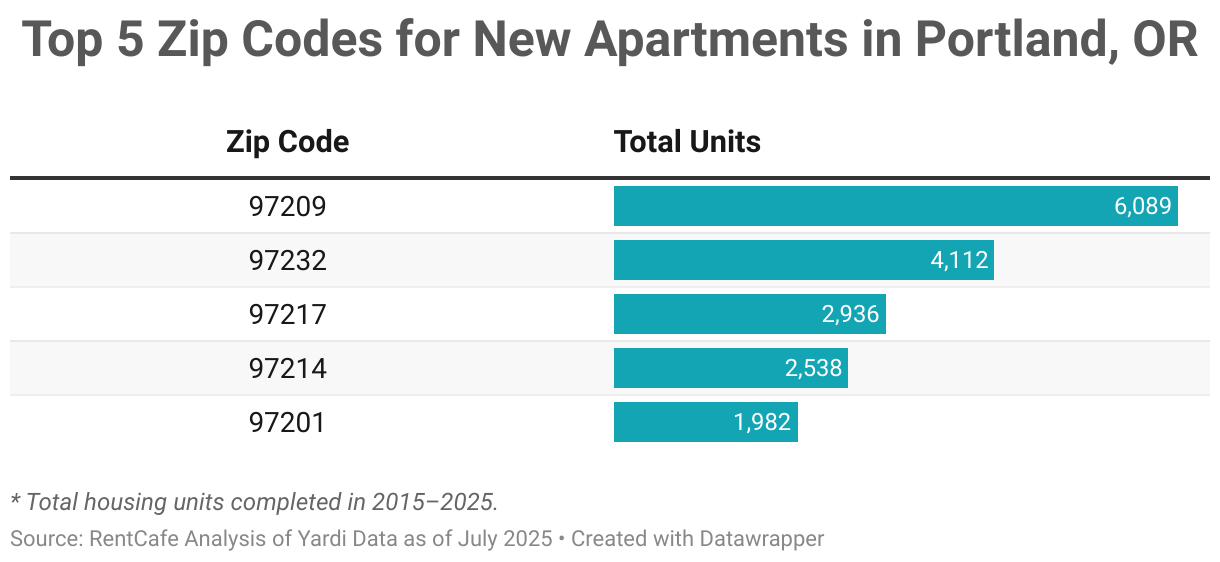
Top 5 zip codes for new apartments in Washington, DC
| Zip code | New apartments |
|---|---|
| 20002 | |
| 20002 | |
| 20003 | |
| 20003 | |
| 20024 |
* Total new apartments completed between 2015 and 2025.
Source:
RentCafe.com analysis of Yardi data as of July 2025
Washington, D.C., is seeing apartment construction expand into new and emerging neighborhoods. Development is concentrating around Buzzard Point near Audi Field and along the revitalizing Anacostia waterfront, where the city continues to invest east of the river. Infill projects are also appearing in established areas where zoning allows higher residential density.
Downtown is drawing renewed interest as office buildings convert to housing, reflecting shifts in work patterns and space use. The long-anticipated Purple Line will eventually encourage new projects along its Maryland route, though construction delays have slowed progress. Overall, new housing growth is gradually reshaping both central and outer parts of the metro area.
FAQ: Renting in Washington, D.C.’s fastest-growing zip codes
Q: How many new apartments have been built across these top Washington, D.C., zip codes in total?
A: A total of 55,993 new apartments have been completed across Washington, D.C., over the last ten years.
Q: Which zip codes have the most new apartments in Washington, D.C., and how many were built in each?
A: Zip code 20002 leads the metro with 14,878 new apartments, followed by 20003 with 11,327 new apartments, 20024 with 7,301 new apartments, 20001 with 6,679 new apartments, and 20009 with 2,869 new apartments.
Q: How accessible are Washington, D.C.’s high-supply neighborhoods by public transportation?
A: Most high-supply neighborhoods have excellent transit access, with service from the Red, Orange, Blue, Silver, Green, and Yellow Metro lines, as well as the DC Streetcar and buses, allowing quick connections to downtown and Capitol Hill.
Q: Which major employers are within commuting distance of Washington, D.C.’s top construction areas?
A: Employers include the U.S. Capitol and congressional offices, major healthcare systems, federal agencies like the DOT and FAA, Howard University, Gallaudet University, and various nonprofit organizations.
Q: How does the cost of living in Washington, D.C., compare to the average for the United States?
A: The cost of living in Washington, DC is same as the state average and 39% higher than the national average.
Methodology
RentCafe.com is a nationwide apartment search website that enables renters to easily find apartments and houses for rent throughout the U.S.
This study uses data from 2015–2025, with the ‘past decade’ referring to this period.
Share this article:


Adina Dragos
Adina Dragos is a real estate writer and research analyst with RentCafe. She has solid experience in real estate writing, covering topics ranging from best cities for renters and the top cities for rental activity to cost of living. Her work was featured in several prominent media channels such as Axios, The Dallas Morning News, ConnectCRE and The New York Times.
Sign up for The Ready Renter newsletter
Get our free apartment hunting guide — plus local insights, trends and research.




Related posts
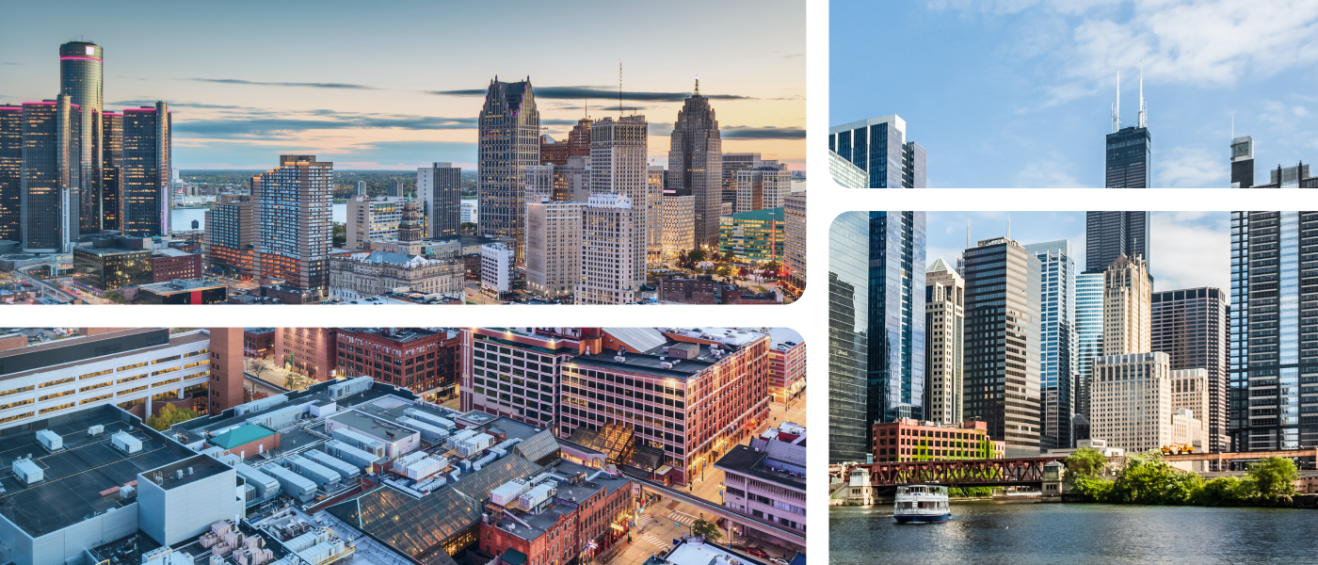
Detroit vs Chicago: Which Midwest city is more affordable for renters?
Detroit and Chicago are about 280 miles apart, making a move between the two a realistic option for many Midwestern renters. Maybe you’ve landed a…
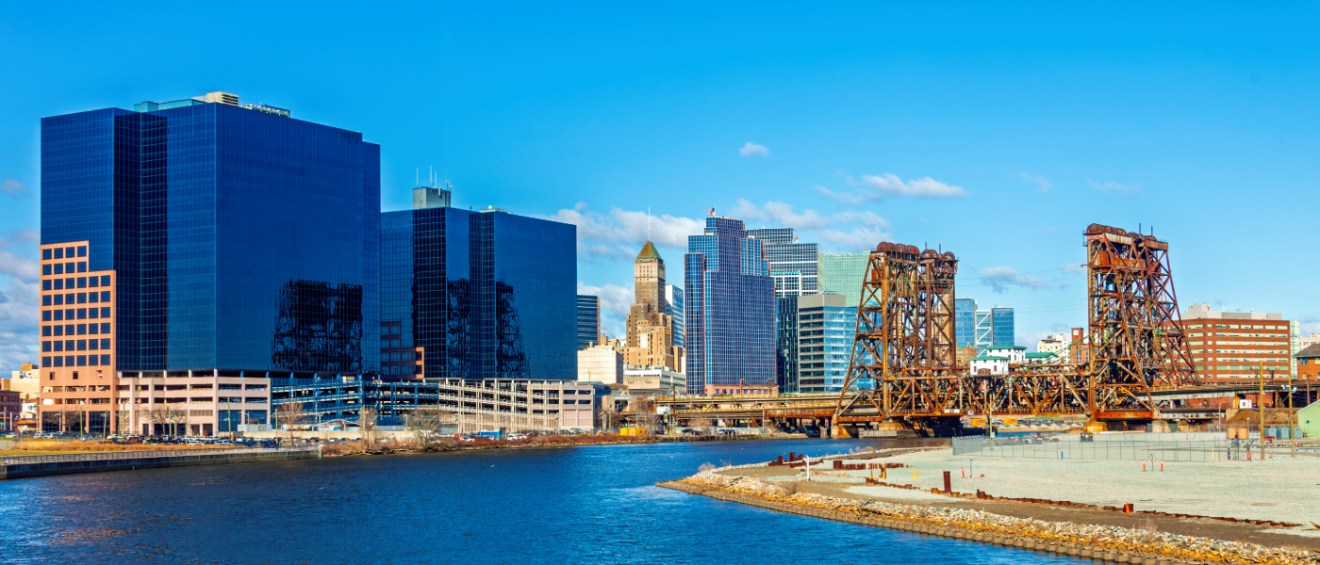
Public transit options for renters in Newark, NJ: How to get around without a car
Newark renters can live car-free using PATH, NJ Transit rail, the Newark Light Rail and an extensive bus network, with Manhattan reachable in about 20…
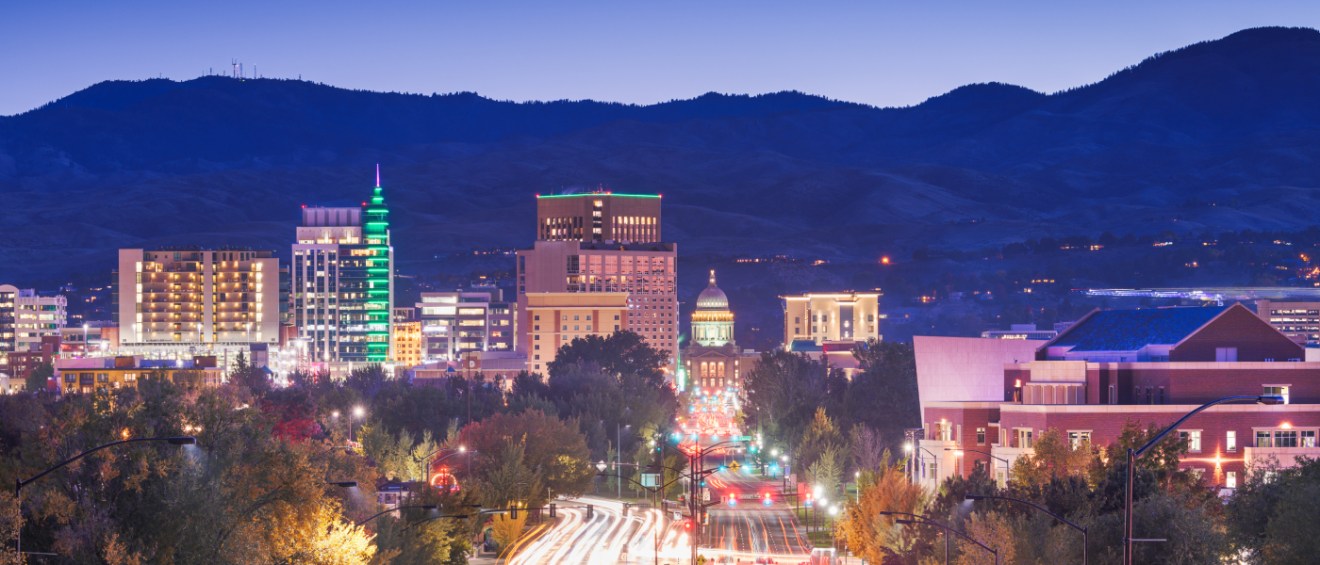
Touring apartments in Boise, ID? Ask these questions before you sign a lease
Boise sits where high desert runs into the Rocky Mountain foothills, and it still moves at a small-town pace even as the Treasure Valley fills…
Subscribe to
The Ready Renter newsletter