
Share this article:


Moving to a new rental apartment in winter? You’re facing some unique challenges — icy walkways, freezing temperatures, and the constant threat of moisture damage to your belongings. The good news is that with smart preparation, the winter moving process can still go smoothly and safely.
Here’s everything you need to know to protect your items and stay safe during a cold-weather move:
- Check the weather
- Use waterproof containers
- Cushion fragile items
- Keep electronics dry
- Clear the pathways
- Protect books from moisture
- Minimize cold exposure
- Double pack your items
- Label everything
Check the weather constantly and have backup plans ready
Winter weather can change in hours, not days.
Start checking forecasts a week before your move date. Avoid moving during active snowstorms, when ice warnings are issued, or when temperatures drop below freezing for extended periods.
If you must move on a questionable day, schedule your move for late morning or early afternoon when temperatures peak and visibility improves. Always have a backup date ready — most moving companies understand winter delays.
Switch to waterproof containers for anything moisture can ruin
Cardboard boxes become soggy messes in winter conditions.
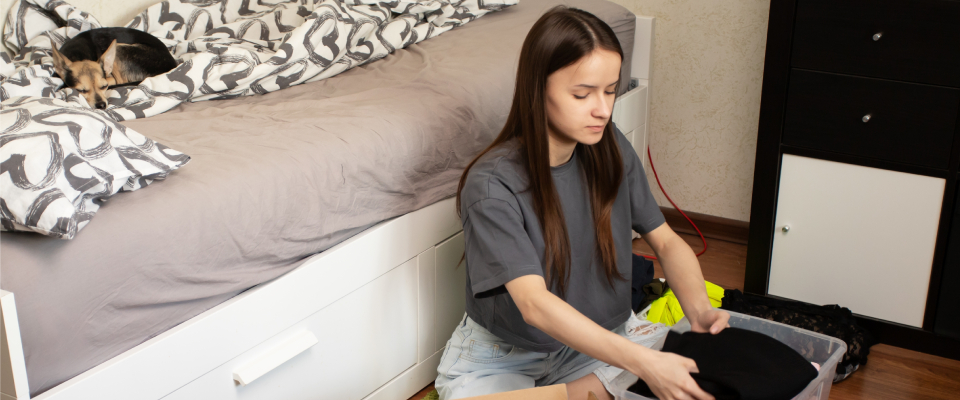
Use plastic bins with tight-fitting lids for documents, photos, electronics, and anything else that water can destroy. These containers cost more upfront but they’re worth it when snow starts falling.
For extra protection, seal important items in plastic bags before putting them in containers.
Give fragile items extra cushioning in cold weather
Cold makes glass and ceramics more likely to crack or shatter.
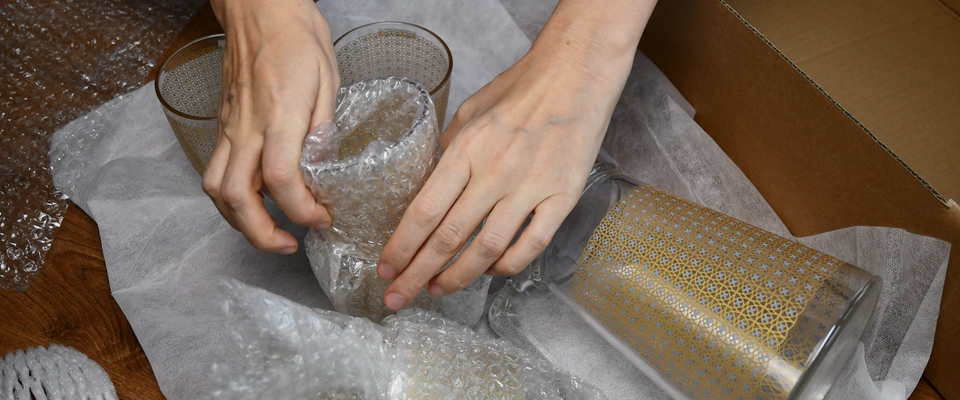
Wrap dishes, glassware, and decorative items in bubble wrap, then add a layer of towels or blankets. The extra padding protects against both impacts and sudden temperature changes that can cause cracking.
Keep electronics warm and dry
Electronics hate cold temperatures and condensation.
Pack them in their original boxes when possible, or use plenty of padding in sturdy containers. Never leave electronics sitting in a cold truck or outside for more than a few minutes.
When you reach your new place, let electronics gradually warm to room temperature before plugging them in. This prevents condensation from forming inside and damaging circuits.
Make your pathways safe before moving day
Slippery surfaces are moving day’s biggest enemy.
Clear all snow from your driveway, walkways, and front steps the night before. Apply rock salt or ice melt to prevent overnight ice formation, but avoid using it when temperatures are extremely low (below 15° F), as it becomes less effective.
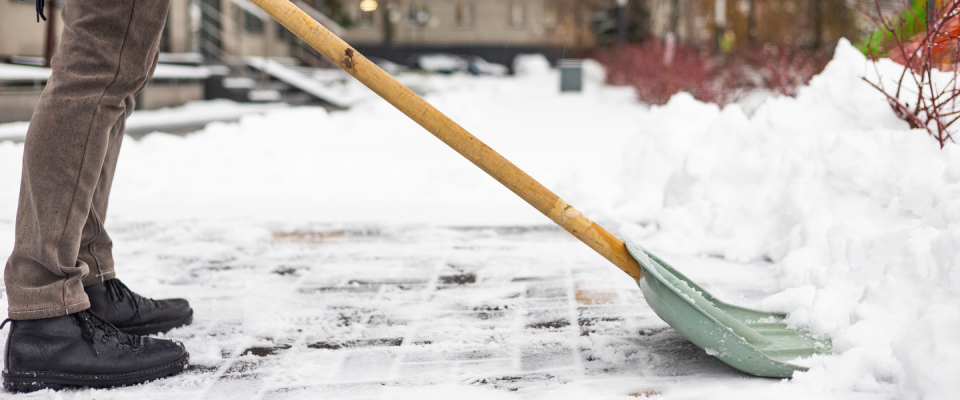
Plus, consider laying down rubber mats or old towels on icy spots for extra grip.
Protect books and papers from moisture
Paper items soak up moisture fast and can be ruined in minutes.
Wrap books, documents, and paper items in plastic bags before boxing them. Never set cardboard boxes directly on wet or icy ground — use pallets, tarps, or plastic sheets as barriers.
Move fast to minimize cold exposure
The less time your belongings spend in winter weather, the better.
Park your moving truck as close to your door as possible. At your destination, confirm that utilities such as heat and electricity are working before you start unloading — you don’t want to move everything into a freezing house.
Turn up the heat gradually so temperature-sensitive items can adjust without shock.
Use double protection for your most fragile items
When it’s cold, fragile items need extra care.
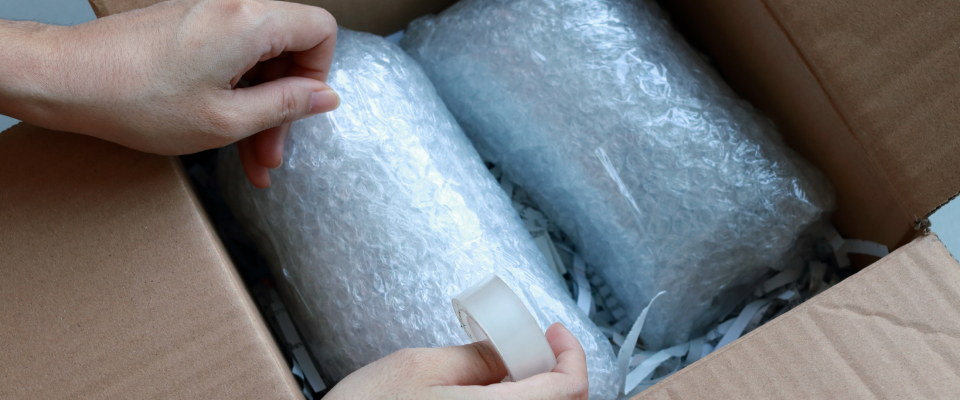
Wrap large fragile items like mirrors and artwork in moving blankets, then add another layer of protection with towels or bubble wrap. For extremely delicate items, put the wrapped item in one box, then place that box inside a larger box with padding between them.
Label boxes clearly for winter priorities
Winter moves get chaotic fast, so smart labeling saves time and prevents damage.
Mark boxes with “FRAGILE – UNPACK FIRST” or “KEEP WARM” so you know which items need immediate attention. Use waterproof markers or cover labels with clear tape so they stay readable in wet conditions.

Bottom line
Winter moves require more planning and protection, but they don’t have to be disasters. Focus on keeping moisture out, maintaining safe pathways, and minimizing how long your belongings stay in the cold. When in doubt, hire professional movers who specialize in winter conditions — they have the right equipment and experience to handle whatever weather throws at you.
Share this article:


Mihaela Buzec
Mihaela Buzec is a senior writer, researcher, and online content developer for RentCafe, where she has over 7 years of experience writing about the real estate industry. She authors important resources such as the statistics pages describing generational patterns and renter's guides that help renters in their journey. Her work has appeared in publications such as Apartment Therapy, Indy Star, and Investopedia.
Mihaela is a published researcher who is active in academia as well. She holds a BA in English, an MA in linguistics, and a PhD in neurolinguistics.
Sign up for The Ready Renter newsletter
Get our free apartment hunting guide — plus moving tips, trends and research.




Related posts

How far in advance should you book a moving company for peak-season moves?
If you’re planning a move during peak season (May through September), you should book a moving company at least four to eight weeks in advance…
Moving during winter: Tips to keep your cold-weather move safe and smooth
Moving to a new rental apartment in winter? You’re facing some unique challenges — icy walkways, freezing temperatures, and the constant threat of moisture damage…

How to Move Out of an Apartment With Kids
Moving out of an apartment and into a new home is a big step for any family. But when you have children, that process can…
Subscribe to
The Ready Renter newsletter