
Share this article:


Finding the right apartment for your family takes more than browsing a few listings. You need to start with a clear process and plan practical steps to take you from “just looking” to “signing the right lease.” Smart tools and features are also helpful and a great addition to your search. With the right approach, finding apartments for families becomes easier, faster, and much less stressful.
The best way to find the right apartments for families is to:
- search efficiently
- tour strategically
- compare options
- choose a home that fits your family’s needs and budget
Below are six action-driven steps designed to guide you from the start of your search to move-in day.
1. How do I figure out where to begin my apartment search?
A smart first step is creating a family checklist that outlines what you absolutely need in an apartment. This keeps your search focused and prevents you from getting sidetracked by listings that look nice but don’t suit your lifestyle.

Think about your required number of bedrooms, preferred neighborhoods, monthly budget, and features like laundry, parking, or outdoor space. This simple prep creates a road map for finding the best apartments for families.
2. How can I find the right listings quickly and avoid wasting time?
Using trusted rental platforms with targeted filters helps narrow your search instantly. Instead of scrolling through endless options, filters let you prioritize exactly what matters to your family.
Sort by price, number of bedrooms, desired amenities, or school districts. Save searches and set alerts so you’re notified when new apartments for families match your criteria. These tools work for you even when you’re not actively looking.
3. How do I know if an apartment is family-friendly before I tour it?
A closer look at each listing can reveal a lot about whether the space will work for your family. Photos, floor plans, and descriptions often contain useful clues if you know what to look for.

Check for open layouts, good natural light, updated safety features, and easy access to parks or playgrounds. If a listing shows cramped rooms or lacks essential features, you’ll know to skip it before wasting time on a visit.
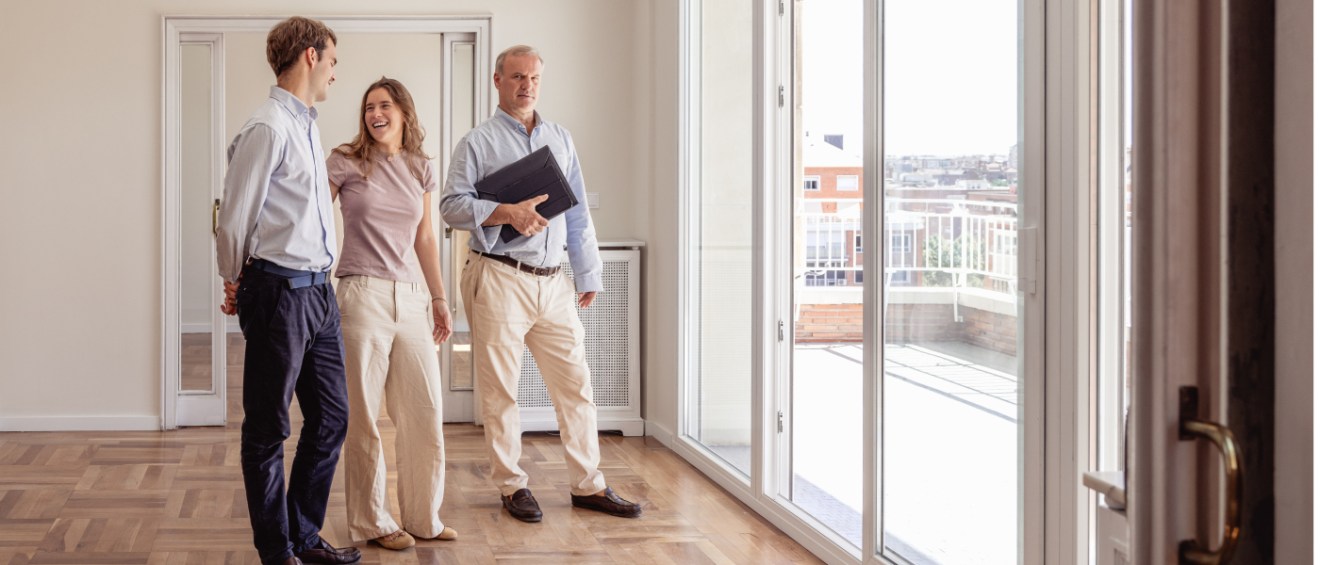
4. What’s the best way to tour apartments when searching for an apartment for my family?
Touring becomes more effective when you schedule visits strategically and go in with prepared questions. Seeing multiple units in the same timeframe helps comparisons feel clearer and more accurate.
During tours, pay attention to building upkeep, hallway noise, and the overall feel of the community. Ask about maintenance response times, parking, and whether other families live in the building. Also, try visiting at different times of day to get a realistic sense of the environment.
If possible, bring your children to at least one showing and ask what they think about the place. Their reactions can reveal whether the apartment feels right for them, too.
5. How can I compare my top apartment choices and make the right decision?
Create a simple comparison chart to make decision-making much easier. When touring several apartments for families, details can blur together — a scoring system helps highlight the strongest match. Using the checklist you created earlier is a great place to start.
Rate each apartment based on safety, layout, space, commute times, school access, cost, and amenities. Then, you can compare your options side by side, helping you choose the place that offers the best overall value and comfort.
6. What final steps should I take before submitting an application?
Before applying, double-check key details to avoid surprises. This is your chance to confirm important policies and ask any last questions that impact daily life.

Review the lease terms, check for extra fees, and ask about utilities, parking, guest rules, noise policies, and renewal options. Make sure you have your documents ready — IDs, pay stubs, references, and any application fees — so you can apply quickly when you find the right place.
Why do these steps make it easier to find the right apartment?
Following a clear six-step plan helps you search more efficiently and confidently. By preparing early, filtering wisely, reviewing listings carefully, touring with intention, comparing your top choices, and finalizing details before applying, you’ll be better equipped to find apartments for families that feel safe, comfortable, and ready for long-term living.
A structured process doesn’t just help you find an apartment — it helps you find a rental where your entire family can thrive.
FAQs: Finding apartments for families
Q: When should families start searching for an apartment?
A: Starting 60 to 90 days before your target move-in date gives you plenty of breathing room to find the best selection.
Q: What amenities are most important for apartments for families?
A: Laundry, parking, playgrounds, extra storage, and safe outdoor areas tend to be the most helpful for families.
Q: How can I spot a good family-friendly floor plan?
A: Look for open layouts, separate bedrooms, and flexible spaces for play, study, or quiet time.
Q: Are school districts an important factor when choosing an apartment?
A: Yes — school quality and district boundaries can significantly impact your daily routine.
Q: Should I apply to multiple apartments at once?
A: In competitive markets, having two solid options improves your chances of securing a great apartment.
Share this article:


Alexandra Both
Alexandra Both is a senior real estate writer and research analyst with RentCafe. She brings over 10 years of real estate writing experience, having served as a senior editor at Commercial Property Executive and Multi-Housing News. A seasoned journalist, Alexandra has worked across print, online, and broadcast media. Her work has been featured in a variety of prominent outlets, including The New York Times, The Guardian, USA Today, and Architectural Digest. She holds a B.A. in Journalism and an M.A. in Community Development.
Sign up for The Ready Renter newsletter
Get our free apartment hunting guide — plus renting tips, trends and research.




Related posts

What should renters check about windows before moving into an apartment?
When you’re touring a rental apartment or doing a final walkthrough before signing a lease, it’s easy to focus on the big-picture items: square footage,…

What is a holding deposit? A renter’s simple guide
A holding deposit is money you pay a property manager to take a rental off the market while your application is reviewed. It shows you’re…
Timing your apartment tour: How light, noise and traffic change by the hour
Most apartment tours happen between 10 a.m. and 5 p.m., when leasing offices are staffed and the sun is doing the apartment a favor. The…
Subscribe to
The Ready Renter newsletter