
What should renters check about windows before moving into an apartment?
Share this article:


Key takeaways:
- Check every window, not just the main living area. Test each one for cracks, broken seals, stuck mechanisms and damaged screens during your walkthrough — issues you miss now can be harder to dispute later.
- Feel for drafts along window edges. A noticeable airflow near the frame usually means a failed seal or improper installation, which can raise your energy bills beyond just causing discomfort.
- Moisture is a red flag worth acting on immediately. Water stains on the sill, fog between panes or a musty smell near a window can point to ongoing leaks or mold risk — flag these with property management before you move in, not after.
- Document everything with timestamped photos before moving anything in. A simple written record sent to your property manager protects your security deposit and gives you a clear baseline if questions come up when you move out.
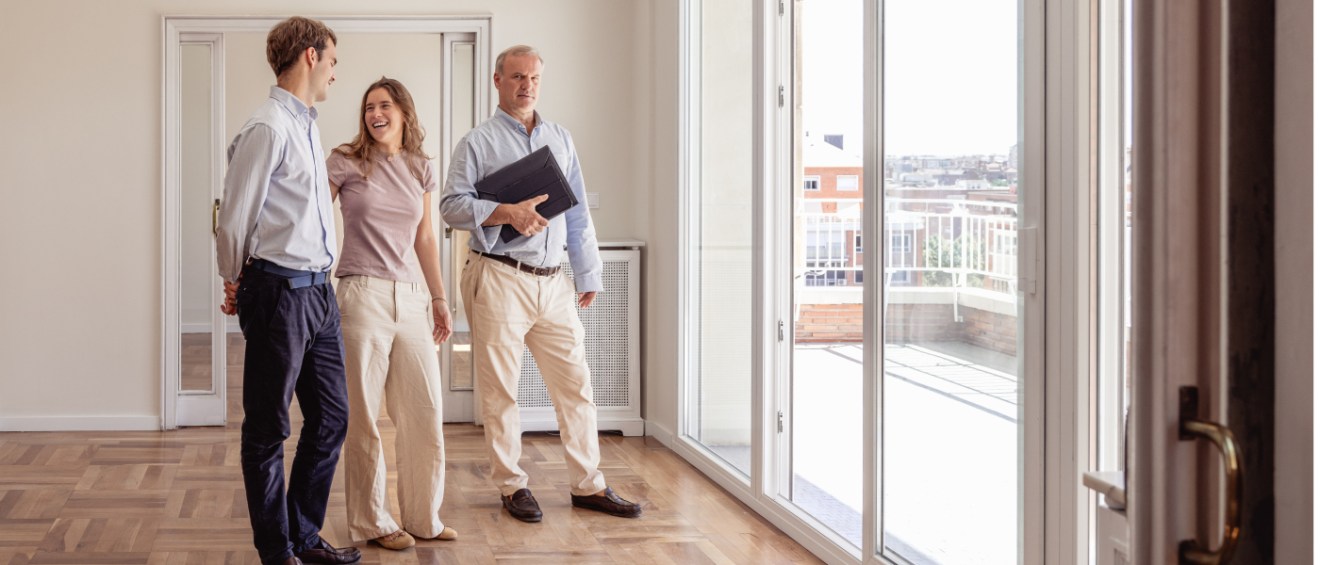
When you’re touring a rental apartment or doing a final walkthrough before signing a lease, it’s easy to focus on the big-picture items: square footage, appliances, closet space. Windows tend to get a quick glance at best, even though they affect your comfort, your utility bills and how easy the apartment is to maintain for as long as you live there.
Taking a few extra minutes to look closely at every window before you commit can save you from surprises later and give you a clear record of the apartment’s condition from day one.
Look closely at the glass
Start with the glass itself. Check each pane for cracks, chips or deep scratches, and look for cloudy patches or fog trapped between layers of double-pane glass, which usually signals a broken seal. These aren’t things you’d want to discover weeks into your lease and then have to prove you didn’t cause. If you spot damage during your walkthrough, photograph it and note it in writing before you move anything in.

Test how the windows open, close and lock
A window that looks fine from a few feet away can still be difficult to operate up close. Try opening and closing every window in the apartment, not just the ones in the main living area.
Windows that stick, won’t stay open on their own or require excessive force can be a daily annoyance and, in some cases, a safety concern if you’d need one as an emergency exit. Also check that every lock actually engages and holds.
A lock that doesn’t catch is a simple fix, but it’s worth flagging before it slips your mind.
Inspect the screens
Screens are easy to overlook, but they matter more than they seem, especially if you like fresh air or have pets. Look for tears, holes or screens that have popped out of their frame.
A damaged screen lets in insects and, depending on the apartment’s layout, can be a real hazard for curious pets or small children near an open window. If a screen is missing entirely, ask about it directly rather than assuming one will be provided later.

Check the tracks, sills and frames
Run your hand along the window tracks and sills to feel for grit, warping or soft spots. Tracks packed with debris can make a window difficult to slide and are worth noting even if they’re a quick cleaning fix.
Soft or discolored wood around a frame can indicate past water damage, which is worth raising with the property manager directly rather than working around it yourself.
Feel for drafts and gaps
On a cooler day, hold your hand near the edges of each window frame to check for airflow. A noticeable draft usually means the seal has failed, or the window wasn’t installed properly, and it can affect energy bills, not just your comfort on a windy afternoon. Gaps you can see daylight through are worth mentioning before you sign anything, since they’re generally something the property should address rather than something you should have to live with.
Watch for condensation, moisture or signs of past leaks
Moisture trapped between window panes, water stains on the sill or a slightly musty smell near a window can all point to past leaks or ongoing moisture problems.
This matters beyond simple maintenance: sustained moisture exposure can lead to mold growth, and the Environmental Protection Agency notes that controlling moisture is the most effective way to prevent mold in a home. If you notice any of these signs, it’s worth raising with property management before you move in rather than after.
Consider outside noise
Stand near each window for a moment and listen.
Thin glass, older frames or an apartment facing a busy street can let in more outside noise than a quiet showing appointment would suggest. This isn’t something you can necessarily fix, but knowing what to expect ahead of time means fewer surprises once you’ve settled in.
Think about how you’ll clean and access the windows
Take a moment to notice how each window opens and how accessible it is, particularly on upper floors or in apartments with larger picture windows.
Some windows tilt inward for easier cleaning from inside the apartment, while others may require more caution or specialized equipment to reach safely. If a window seems difficult or unsafe to clean on your own, it may be worth budgeting for a professional cleaning service a couple of times a year rather than attempting it yourself, especially for anything above ground.
Know what’s yours to handle and what isn’t
Not every window issue falls on you.
Normal wear, general dust, minor tracking dirt or occasional condensation from everyday humidity is typically yours to manage day-to-day. Structural issues, such as broken seals, drafts from poor installation, water damage or a lock that won’t engage usually fall under property management’s maintenance responsibilities. Knowing the difference helps you report the right things instead of ignoring what you should flag or trying to fix what was never yours to fix.

Document everything before you move in
No matter what you find, minor or serious, write it down and take timestamped photos before your belongings are in the apartment. A simple written record, even a few lines in an email to your property manager, protects you if there’s ever a question about the apartment’s condition when you move out.
It takes a few extra minutes, but it’s one of the most straightforward ways to protect your security deposit and avoid disputes later. A few minutes spent checking windows before signing a lease can prevent a whirlwind number of headaches later, from drafty rooms in winter to disputes over damage you didn’t cause.
It’s a small part of the move-in process, but it’s one that truly pays off every time you look out that window for the next year.
FAQ
A broken seal on a double-pane window typically shows up as cloudy or foggy glass between the two panes that doesn’t clear when you wipe the surface. This happens when the airtight seal between the panes fails and moisture enters the gap. A broken seal affects the window’s insulating ability and is a repair the property should address.
A: Structural issues — including broken seals, drafts from poor installation, water damage and locks that don’t engage — are generally the property management team’s responsibility to repair. Day-to-day upkeep, such as cleaning the tracks, wiping down the glass and managing routine condensation, falls to you as the renter. When in doubt, report the issue in writing so there’s a record.
A: Yes. A draft along a window frame usually means the seal has failed or the window wasn’t properly installed. That gap allows outside air in and conditioned air out, which forces your heating or cooling system to work harder. Identifying and reporting drafts before you sign a lease gives you the opportunity to have them addressed before they affect your monthly costs.
Share this article:


Mihaela Buzec
Mihaela Buzec is a senior writer, researcher, and online content developer for RentCafe, where she has over 7 years of experience writing about the real estate industry. She authors important resources such as the statistics pages describing generational patterns and renter's guides that help renters in their journey. Her work has appeared in publications such as Apartment Therapy, Indy Star, and Investopedia.
Mihaela is a published researcher who is active in academia as well. She holds a BA in English, an MA in linguistics, and a PhD in neurolinguistics.
Sign up for The Ready Renter newsletter
Get our free apartment hunting guide — plus renting tips, trends and research.




Related posts

What should renters check about windows before moving into an apartment?
When you’re touring a rental apartment or doing a final walkthrough before signing a lease, it’s easy to focus on the big-picture items: square footage,…

What is a holding deposit? A renter’s simple guide
A holding deposit is money you pay a property manager to take a rental off the market while your application is reviewed. It shows you’re…
Timing your apartment tour: How light, noise and traffic change by the hour
Most apartment tours happen between 10 a.m. and 5 p.m., when leasing offices are staffed and the sun is doing the apartment a favor. The…
Subscribe to
The Ready Renter newsletter