Share this article:


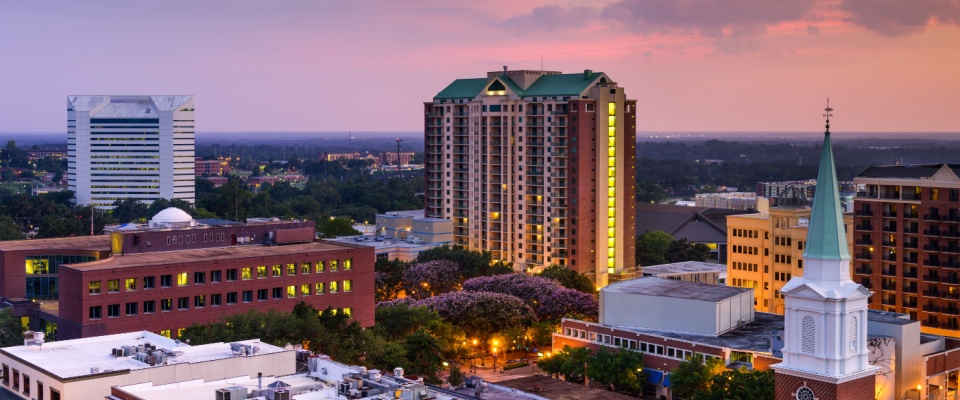
Tallahassee runs on a rhythm all its own: part state capital, part college town, part shaded canopy of live oaks dripping with Spanish moss. The pace is slower than Miami or Orlando, and rents reflect that, sitting well below what you’d pay along Florida’s coastal metros.
On top of that, the rental scene here offers lots of variety. You’ll find brick mid-rises near the Capitol, garden-style complexes full of FSU and FAMU students around College Avenue and Tennessee Street, ranch-style duplexes in Midtown and newer builds out toward Bannerman Crossings and Southwood. Each pocket has its own personality, its own commute headaches and its own quirks once you’ve signed.
But the right apartment in Tallahassee isn’t just about square footage and finishes. The city’s climate, tree cover and storm patterns shape what daily life looks like, and most of those details never make it onto a listing page.
Here’s what you need to know about renting in Tallahassee, FL:
- Hurricane season is from June through November and brings real risk inland.
- The dense tree canopy is beautiful but causes frequent power outages during storms.
- Humidity and poor ventilation can lead to mold issues in older units.
- Student-heavy neighborhoods follow an August-to-August lease cycle.
- Stormwater drainage varies wildly by neighborhood, especially in low-lying areas.
Whether you’re moving across town or relocating from out of state, these are the questions worth asking before you commit to a place in Florida’s capital.
5 questions to ask when touring apartments in Tallahassee, FL
Generic checklists won’t catch what makes this city different. Bring these to every showing.
1. How does this property handle hurricane prep, and what’s the policy if a storm knocks out power for several days?
The answer you want: Management has a written hurricane plan, secures common areas before landfall and offers clear guidance on rent credits or extended timelines if the unit becomes uninhabitable. If the answer is vague, ask whether the property has ever lost power for more than 48 hours and how that was handled.
Why it matters: Tallahassee is far enough inland that some renters underestimate hurricane risk. However, the city has a hurricane history, with storms like Michael, Idalia and Helene hitting land and causing major damage and multi-day outages.
Older buildings without backup generators leave residents without AC during late-summer heat, when humidity is brutal even after the rain stops. A landlord who can’t communicate a clear storm response is one you’ll be chasing during the worst possible week.
2. How many large trees overhang the building, parking lot, or power lines on this property?
The answer you want: Few or none directly over the structure, and the property has a regular tree maintenance schedule with a licensed arborist, ideally annual inspections.
Why it matters: Tallahassee’s canopy of live oaks, pines and sweetgums is part of what makes the city beautiful, but it’s also why outages here last longer than in flatter, treeless Florida cities.
A single storm can drop limbs across power lines, parked cars and rooftops, and renters in tree-heavy areas like Myers Park or Betton Hills tend to feel it first. Pine trees, in particular, are shallow-rooted and notorious for falling in high winds.
3. Has this unit had any issues with mold, mildew, or moisture in the past two years?
The answer you want: There have been no documented issues and the unit has working ventilation in bathrooms, a functioning AC system that runs efficiently and ideally a dehumidifier-friendly setup. During the tour, sniff the closets, check under sinks and look at the corners where walls meet ceilings for any discoloration or bubbling paint.
Why it matters: Tallahassee’s humidity routinely hovers above 70 percent for much of the year and apartments that aren’t ventilated properly trap that moisture indoors.
Older brick and wood-frame buildings in neighborhoods like All Saints or near Lake Ella are especially prone to recurring mold problems if landlords haven’t kept up with HVAC servicing. Even a small leak behind a wall can grow into a health issue fast in this climate.
4. What’s the lease cycle here, and how does it line up with the FSU and FAMU calendars?
The answer you want: Most properties near the universities run on a strict August-to-August cycle to match the academic year, while non-student communities offer more flexible 12-month leases starting any month. If you aren’t a student, you’ll want to confirm whether you’re locked into the campus rhythm or whether the landlord allows a non-traditional start date and what the rent looks like compared to a fall move-in.
Why it matters: Tallahassee’s rental market is unusually seasonal because of the student population at FSU, FAMU and TCC. If you sign a lease that ends in late July or early August, you’re trying to find your next place during the most competitive window of the year, when thousands of students are doing the same thing.
Renters in apartments near Tennessee Street, College Avenue, or Stadium Drive are most affected, and the timing mismatch can cost you choice and leverage.
5. How does stormwater drain off this property, and does the area flood during heavy rain?
The answer you want: The property has visible storm drains, graded landscaping that pulls water away from the building and no history of standing water in the parking lot or ground-floor units.
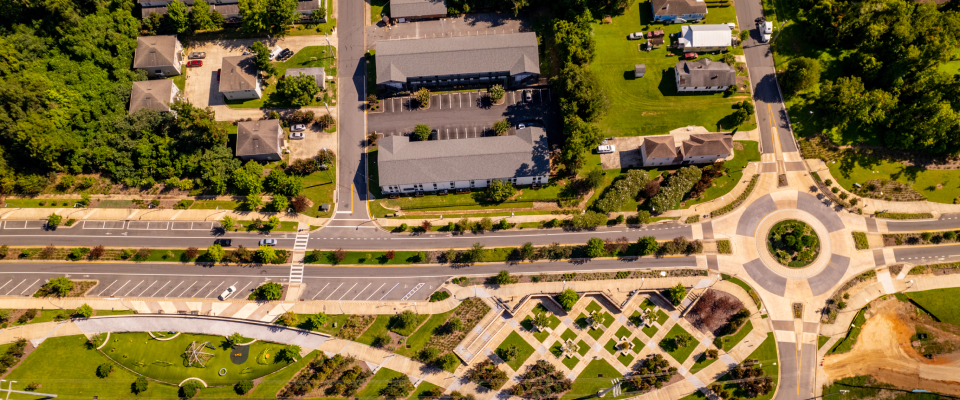
Why it matters: Tallahassee gets sudden, heavy summer downpours and certain pockets, like the low-lying areas near Franklin Boulevard, parts of Frenchtown and neighborhoods around the St. Marks watershed, flood quickly when the city’s drainage system can’t keep up.
Apartments in Tallahassee with poor grading or clogged drains can take on water in ground-floor units, ruin parked cars and turn walkways into hazards. During your tour, look at the asphalt for water stains, check whether drain grates are clear and ask neighbors if you can spot any during the visit.
Final thoughts before you sign
Renting in Tallahassee comes down to more than the layout and the rent number. It’s the storm prep, the tree canopy, the humidity and the student calendar that shape what living here actually feels like. Asking about these things upfront prevents the kind of headaches that turn a year-long lease into a long, miserable summer.
Before you commit, walk the neighborhood at different times of day. Picture your real routine: your commute to work or campus, your weekend errands, your trip home during a Friday afternoon thunderstorm. Make sure the apartment you’re considering fits the life you’ll live there.
FAQ: Renting in Tallahassee, FL
Q: How do Tallahassee apartments handle hurricane season?
A: Hurricane response varies widely by property, so always ask for a written plan and the policy on rent credits if the unit becomes uninhabitable. Tallahassee may be inland, but storms regularly cause multi-day power outages here, and a vague answer from management is a real warning sign.
Q: Are trees a real concern for renters in Tallahassee?
A: Yes, the city’s canopy of oaks and pines is a defining feature, but it directly contributes to extended power outages and property damage during storms. Ask whether the property has annual tree inspections by a licensed arborist and check for large limbs hanging directly over the building or parking lot.
Q: How can I tell if a Tallahassee apartment has a mold problem?
A: Trust your nose during the tour and check closets, bathroom corners and under-sink cabinets for discoloration, soft drywall, or a musty smell. The Florida Department of Health offers guidance on indoor mold and you should also ask the landlord directly about any moisture history in the past two years.
Q: When is the best time to look for apartments in Tallahassee?
A: Spring and early summer, roughly March through June, usually offer the most options outside the student rush, since FSU and FAMU lease cycles peak in July and August. If you can avoid signing during peak season, you’ll usually have better selection and more negotiating room.
Q: Do Tallahassee apartments often flood during heavy rain?
A: Some neighborhoods, particularly low-lying areas near Franklin Boulevard and parts of the St. Marks watershed, are prone to flash flooding during summer downpours. During your tour, check the parking lot for water stains, look at storm drain grates and ask whether ground-floor units have ever taken on water.
Share this article:


Florin Petrut
Florin Petrut is a real estate writer and research analyst with RentCafe, using his experience as a social media specialist and love for storytelling to create insightful reports and studies on the rental market. With a strong interest in the renter experience, he develops data-driven resources that explore cost of living, affordable neighborhoods, and housing trends, helping renters make informed decisions about where and how they live. Florin holds a B.A. in Journalism and an M.A. in Digital Media and Game Studies.
Sign up for The Ready Renter newsletter
Get our free apartment hunting guide — plus local insights, trends and research.




Related posts
Heading into a lease in Tallahassee, FL? Ask these questions first
Tallahassee runs on a rhythm all its own: part state capital, part college town, part shaded canopy of live oaks dripping with Spanish moss. The…
Top 3 affordable neighborhoods for renters in Tallahassee, FL
As Florida’s capital, Tallahassee blends Southern charm with college-town energy. But rising rents have made it harder to find an apartment that fits everyone’s budget….
Apartment Size in Florida: Where to Find the Largest Rentals
Are you on the hunt for a new apartment in the Sunshine State? If so, you’re probably also wondering about apartment size in Florida. Whether…
Subscribe to
The Ready Renter newsletter