Share this article:


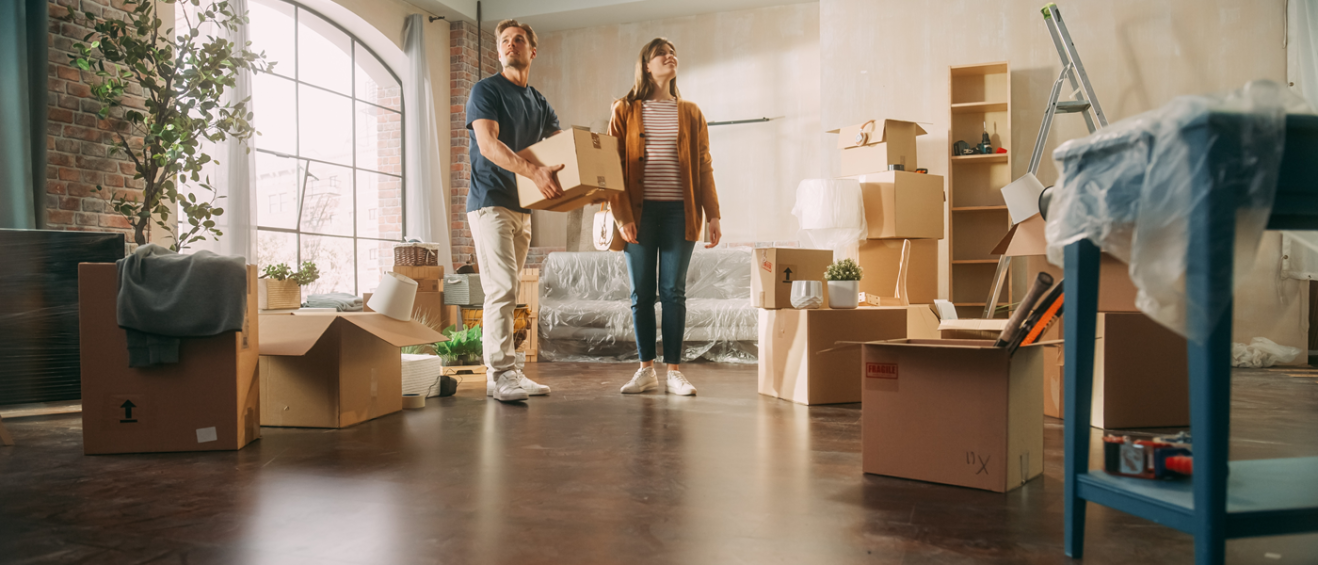
Moving into a new apartment can sometimes get stressful, as it comes with plenty of things to do: turning on utilities, submitting a change-of-address form, and updating your insurance, just to name a few. However, there’s one thing many renters neglect that could cost them their security deposit. That’s taking pictures of their new place.
Why take pictures on move-in day?
Photos serve as a record of the property’s condition before you move in, and they can document issues that either need to be remedied (like a hole in a wall) or that are preexisting (a water stain on the ceiling that has long dried up). This protects your deposit by providing incontrovertible, timestamped proof that damage occurred before your arrival. This can also be helpful if you find yourself in the eviction process, especially if a landlord is trying to claim you caused damage.

14 Things to Photograph
On moving day, take the time to photograph these things before you bring in a single box or piece of furniture.
1. Front Door and Locks
Take pictures of the door, frame, locks, and peephole, and note any scratches or damage, both inside and out. Flag chipped and peeling paint, loose hinges, loose locks, and gaps around the door frame.
2. Walls and Paint
Wall damage is one of the most common charges against a security deposit. Look for cracks, nail holes, and peeling or scuffed paint. Unless your lease requires it, you won’t usually be required to paint when you leave, but you will often need to fill any nail holes and repair cracks, so document what’s already there.
3. Floors and Carpets
Issues with floor damage are another very common charge for renters and can eat up significant portions of a security deposit. Take pictures of stained or frayed carpets, damaged wood or linoleum, and any cracked tile. If wood flooring is missing or damaged, a short video of the area can also be helpful.
4. Ceilings
When a roof gets old, ceilings are the first thing to tell the tale. Most renters forget to look up, but stains, cracks, peeling paint, and water damage can be major problems (and costly to repair).
5. Mold
You don’t need to be a scientist to identify the specific mold you see, but if you see any evidence of mold, such as black or green splotches in typically wet areas like a basement or on the ceiling in a bathroom or the grout of a bathtub or sink, take pictures and let the landlord know immediately. Not only is unchecked mold a major cause of damage, but it can also cause significant health issues and needs to be addressed as soon as possible.
6. Windows and Window Frames
The cost of replacement windows is rising fast, and landlords won’t hesitate to keep a security deposit when a window is damaged. Photograph glass, screens, locks and frames to show cracks or damage.
7. Kitchen Appliances
Most states and cities require landlords to deliver a rental property with appliances in good working order. This does not mean that they will be without dents and dings. Take pictures of the refrigerator, stove, oven, dishwasher, microwave and washer/dryer, both inside and out. Photograph things like missing shelves in the refrigerator or racks in the oven, too.
8. Cabinets and Drawers
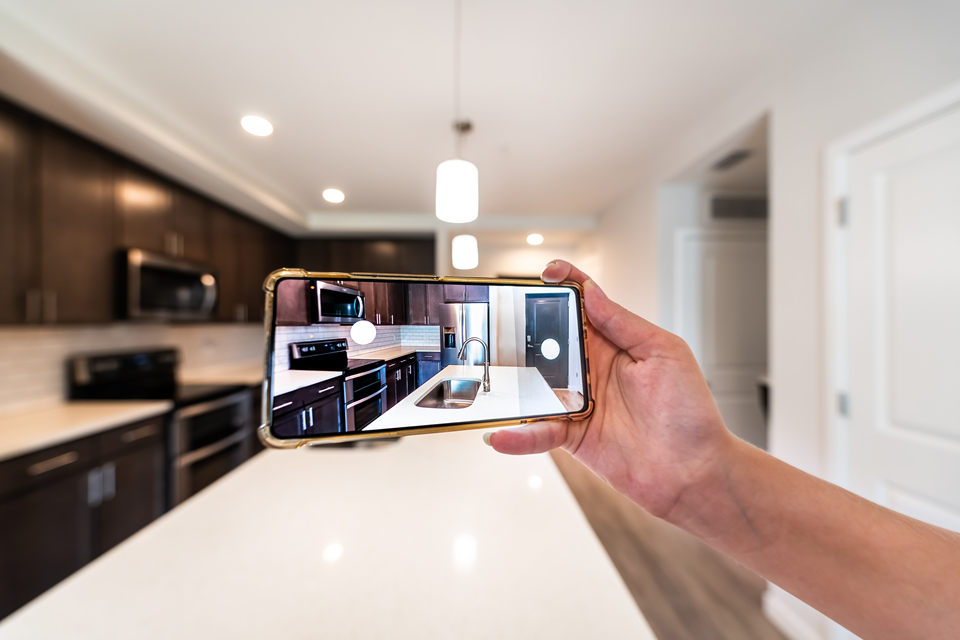
Take pictures of the outside and inside of all cabinets and drawers. Don’t forget close-ups of the hardware, including drawer and cabinet pulls. If a drawer is sticky or opens poorly, take a short video of that as well.
9. Bathroom Fixtures
Bathroom fixtures are subject to daily use and can wear out quickly. Take pictures of sinks, faucets, shower heads, tubs, and toilets. Get close-up shots of rust, leaks or cracks.
10. Plumbing
One place even the most diligent of renters neglects to photograph is the plumbing. Take pictures under the kitchen and bathroom sinks to show existing leaks, mold, or water stains. Document the condition of plumbing fittings, such as washer-dryer hookups and the connectors beneath each toilet. In many cases, these areas fail slowly and develop a small leak that worsens over time.
11. Electrical Outlets and Light Fixtures
Pause and examine outlets, switches and ceiling lights to document broken covers or missing bulbs. If a light glitches when turned on, take a video of that and address the issue, because it might cause further damage down the road.
12. Closets and Storage Areas
Closet doors and shelving are also subject to heavy use. Photograph the rods, doors, and the flooring inside the closets as well. If you are lucky enough to have a storage area in your rental property, don’t forget to take pictures there, too.
13. Balcony, Patio, or Outdoor Space
The balcony, patio, and any other outdoor space that comes with the rental property must be safe and free of damage. Take pictures of the railings, flooring, doors, and any other visible damage outside.
14. Safety Devices
State law varies, but in general, every rental property should have at least one smoke and carbon monoxide detector on each floor, usually located outside bedrooms. Notify the landlord or property manager immediately if they are missing and request that they solve the issue. Take a picture of the thermostat as well, and check whether the buttons on it work properly.
How to Get the Best Shot
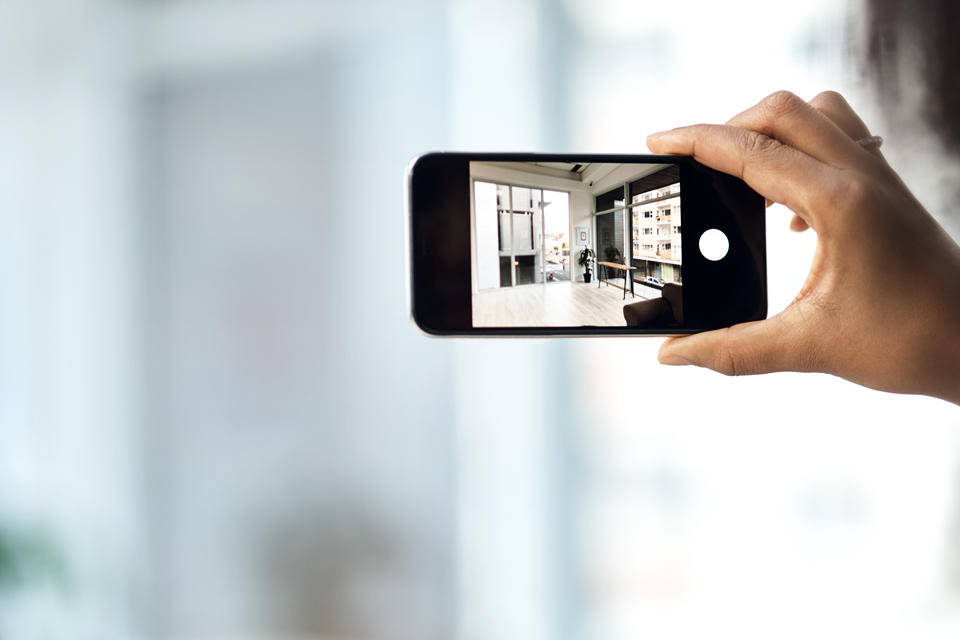
Don’t hold up your phone and randomly take some quick pics. This might only capture a glossy renovation that is covering up real issues, and it won’t be obvious when the pictures were taken. Take both wide-angle shots of each room and also close-ups of any specific damage you notice. Use a time and date stamp if you have one; if you don’t, upload pictures the same day to preserve the date electronically, and send the file to the property manager or landlord for their records.
Share this article:


Mihaela Buzec
Mihaela Buzec is a senior writer, researcher, and online content developer for RentCafe, where she has over 7 years of experience writing about the real estate industry. She authors important resources such as the statistics pages describing generational patterns and renter's guides that help renters in their journey. Her work has appeared in publications such as Apartment Therapy, Indy Star, and Investopedia.
Mihaela is a published researcher who is active in academia as well. She holds a BA in English, an MA in linguistics, and a PhD in neurolinguistics.
Sign up for The Ready Renter newsletter
Get our free apartment hunting guide — plus moving tips, trends and research.




Related posts
Moving with pets during peak summer heat: What every renter should know
Most leases in the U.S. end between May and September, which means most renters move during the hottest months of the year. If you’re moving…
14 things renters should photograph on move-in day
Moving into a new apartment can sometimes get stressful, as it comes with plenty of things to do: turning on utilities, submitting a change-of-address form,…

Moving Day Mishaps: Common Disasters & How to Avoid Them
Moving day is supposed to be the start of a new life in your rental apartment. But, when things go wrong, it can quickly turn…
Subscribe to
The Ready Renter newsletter