Share this article:


Moving to a downtown apartment is one of the most exciting decisions you can make. You’re steps away from restaurants, nightlife, offices, and public transit. Everything you need is practically at your front door.
But renting in the heart of a busy city also means seeing more foot traffic than suburban neighborhoods, and that higher activity level can create opportunities for package theft, unauthorized building access, and other security concerns.
The good news? Many modern downtown apartments are designed with these challenges in mind. Property managers know that renters want to feel protected, so the best communities invest in layers of security that work around the clock.
Before you sign a lease, make sure your downtown apartment community offers these key security features:
- Controlled-access entry points
- 24/7 security camera coverage
- Well-lit common areas and parking structures
- Smart locks and keyless entry
- A package management system
- On-site staff or security personnel
- Emergency alert and communication systems
Let’s break down each one so you know exactly what to look for and what to ask about during your next apartment tour.
How do controlled-access entry points keep downtown apartments safe?
The first line of defense in any downtown apartment community is controlling who gets through the front door. Controlled-access entry means that every entrance to the building — lobby doors, garage gates, side entrances, and stairwells — requires some form of credential to open. That might be a key fob, an access card, or a code on a keypad.
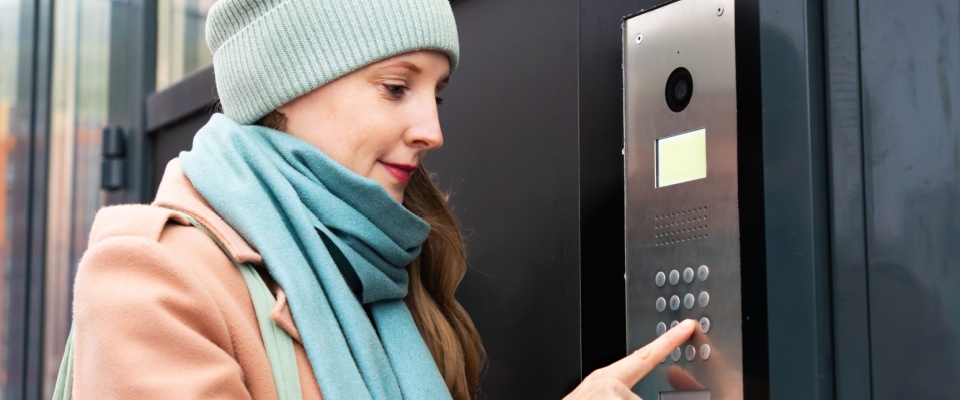
Downtown buildings often sit on busy sidewalks where anyone can walk up to the door. Without controlled access, it’s easy for someone to slip inside behind a resident.
Look for buildings that use multiple credential points rather than a single locked front door, because the more layers between the street and your unit, the better.
Why do security cameras matter in downtown apartments?
Cameras are only useful if they’re recording, monitored, and positioned in the right spots. When you tour downtown apartments, ask whether the building has 24/7 camera coverage in lobbies, hallways, elevators, parking garages, and outdoor common areas.
Good camera systems do two things at once. First, they deter crime. People are far less likely to steal a package or vandalize property when they know they’re being filmed. Second, they provide evidence if something does happen, which helps both law enforcement and property management respond quickly.
Don’t be shy about asking how long footage is stored and whether management reviews it regularly.
How important is good lighting in an apartment building?
This one sounds basic, but it makes a huge difference. Well-lit parking garages, walkways, courtyards, and hallways help you see your surroundings clearly at all hours. Dark corners and dim stairwells are exactly the kind of spots where people feel and sometimes are less safe.
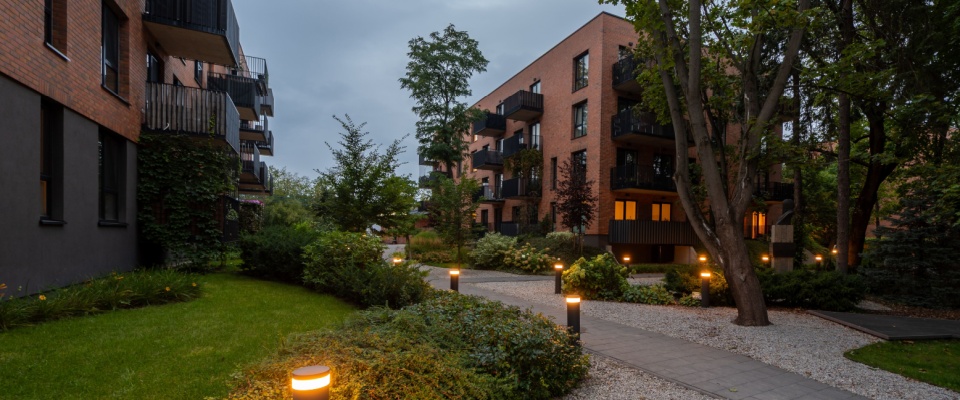
For renters who come home late from work or enjoy the downtown nightlife, good lighting in and around the building is non-negotiable. Pay attention during evening tours: if common areas feel dim or if the parking structure has shadowy sections, that’s worth bringing up with the leasing team.
Should my downtown apartment have smart locks or keyless entry?
Traditional metal keys can be copied, lost, or stolen. That’s why many downtown apartments now offer smart locks or keyless entry systems on individual units. These let you unlock your door with a phone app, a unique code, or a fingerprint.
The beauty of keyless entry is flexibility and control. If a friend needs to feed your cat while you’re traveling, you can send them a temporary code instead of hiding a key under the mat. And if you ever feel like your code has been compromised, changing it takes seconds rather than requiring a locksmith.
How do apartment buildings handle package theft downtown?
Online shopping isn’t slowing down, and neither is package theft. In a downtown apartment community, dozens — sometimes hundreds — of deliveries arrive every single day. Without a system in place, those boxes end up piled in the lobby where anyone can grab them.
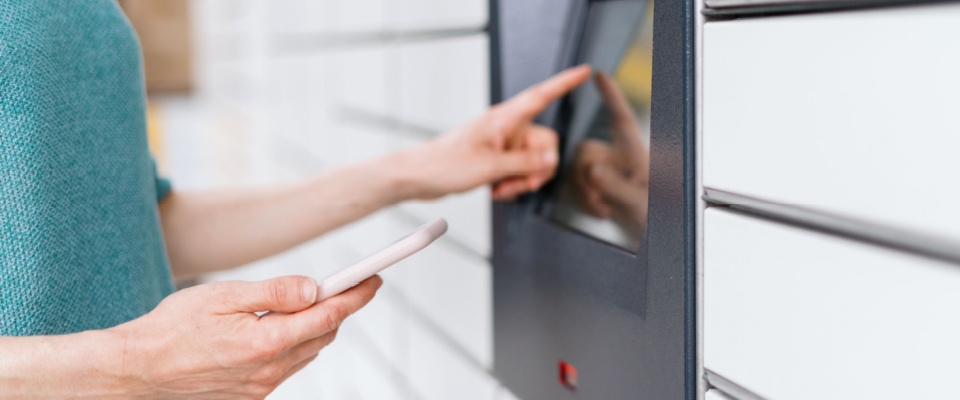
Well-managed buildings solve this with secure package lockers, a staffed mail room, or smart locker systems that send you a unique code when your delivery arrives.
Before you move in, ask how the building handles packages. It’s a small detail that saves a lot of headaches.
Do downtown apartments have on-site security staff?
There’s something reassuring about knowing a real person is keeping an eye on things. Many downtown apartments employ front-desk attendants, concierge staff, or dedicated security guards who monitor the building during the day and overnight.
On-site personnel can verify visitors, respond to emergencies, and notice unusual activity that cameras alone might miss. If a building advertises 24-hour staffing, ask whether that means a security professional or simply a front-desk employee, since the training and responsibilities can be quite different.
What kind of emergency alert systems should an apartment building have?
Emergencies don’t send calendar invites. Whether it’s a fire, a severe weather event, or a security threat, your building should have a clear and fast way to communicate with every resident.
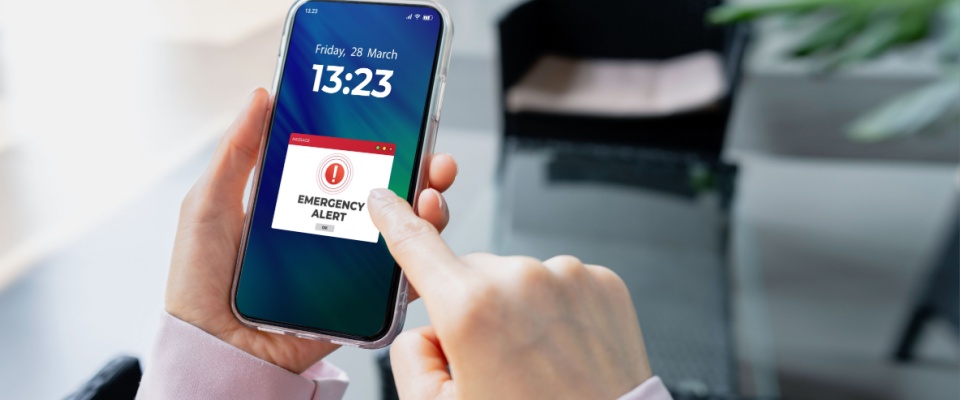
Modern downtown apartments often use text or app-based alert systems that send push notifications straight to your phone. Some buildings also have intercoms, alarm pull stations on every floor, and direct connections to local emergency services.
During your tour, ask what happens when there’s an emergency. If the leasing agent can walk you through a clear plan, that’s a great sign.
Why should security be a dealbreaker when choosing downtown apartments?
Choosing downtown apartments means embracing the energy of city living, but that energy comes with responsibility — both yours and your building’s. Security features aren’t luxury add-ons; they’re essentials that protect your safety, your belongings, and your peace of mind.
Before you sign a lease, walk the property with a critical eye. Test the access points, check the lighting, ask about camera coverage, and find out how the team handles emergencies. Beyond offering granite countertops and rooftop views, a great apartment is about feeling safe every time you walk through the door.
The right downtown apartment community will make security a priority, not an afterthought. And as a renter, you deserve nothing less.
FAQs: Key security features for downtown apartments
Q: What security features should I look for in downtown apartments?
A: Look for controlled-access entry, 24/7 security cameras, bright lighting in shared spaces, smart locks on individual units, a secure package system, on-site security staff, and an emergency communication plan. Together, these features create multiple layers of protection for residents.
Q: Are downtown apartments safe to live in?
A: Many downtown apartments are very safe, especially those that invest in modern security systems. The key is to research the specific building and neighborhood, tour the property at different times of day, and ask the leasing team detailed questions about their security measures.
Q: Do downtown apartment buildings have security guards?
A: Some do, and some don’t. It depends on the community. Larger, newer downtown apartments are more likely to have dedicated security personnel or 24-hour front-desk staff. Always ask during your tour whether the building has on-site security and what hours they cover.
Q: How can I protect my packages at a downtown apartment?
A: Look for buildings with secure package lockers or a staffed mail room. If your building doesn’t offer these, consider using an Amazon locker at a nearby location, requiring a signature for deliveries, or asking your leasing office whether they accept packages on your behalf.
Q: Is keyless entry safer than a traditional lock?
A: In most cases, yes. Keyless entry systems eliminate the risk of lost or copied keys, allow you to change access codes instantly, and often keep a digital log of when the door was opened. They’re becoming a standard feature in many modern downtown apartment communities.
Share this article:


Alexandra Both
Alexandra Both is a senior real estate writer and research analyst with RentCafe. She brings over 10 years of real estate writing experience, having served as a senior editor at Commercial Property Executive and Multi-Housing News. A seasoned journalist, Alexandra has worked across print, online, and broadcast media. Her work has been featured in a variety of prominent outlets, including The New York Times, The Guardian, USA Today, and Architectural Digest. She holds a B.A. in Journalism and an M.A. in Community Development.
Sign up for The Ready Renter newsletter
Get our free apartment hunting guide — plus renting tips, trends and research.




Related posts
Timing your apartment tour: How light, noise and traffic change by the hour
Most apartment tours happen between 10 a.m. and 5 p.m., when leasing offices are staffed and the sun is doing the apartment a favor. The…

How many apartments should you apply to at once?
Finding an apartment you love feels great, right up until you reach the application step and freeze. Do you apply to that one place and…
Searching for apartments in late August: How to win the tail end of peak season
Searching for apartments at the end of peak season means moving fast, staying flexible and keeping your paperwork ready. Late-summer demand is still strong but…
Subscribe to
The Ready Renter newsletter