Share this article:


Moving into a rental property is a major life moment. Whether you relocated across town or to another city, the transition can feel both exciting and uncertain.
Many renters find that the first few weeks set the tone for how comfortable they feel long-term. Settling into a new neighborhood involves more than unpacking boxes. It requires learning how the area works, building routines, and gradually feeling connected to your surroundings.
The good news is that a few intentional habits can make the adjustment smoother and more enjoyable.
Key takeaways:
- Adjusting to a different living environment takes planning and patience.
- Finding essential places nearby helps renters feel comfortable faster.
- Small routines can make a big difference in settling in.
- Positive interactions with neighbors improve the renting experience.
- Personalizing a rental home helps create a sense of belonging.
1. How to get oriented in a new neighborhood quickly
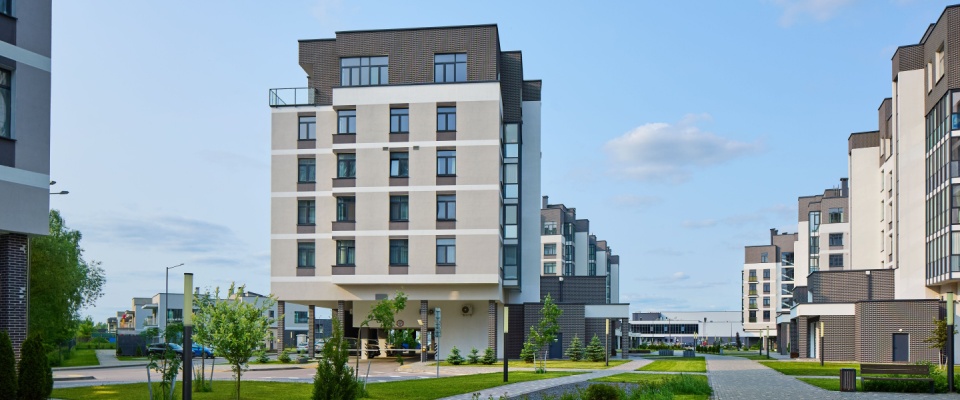
One of the most important steps after moving is understanding the area around your home. Getting oriented reduces uncertainty and builds confidence in daily routines.
Exploring early allows renters to navigate a new neighborhood more comfortably. It also helps you avoid small frustrations, such as not knowing where to shop or how to get around.
A practical approach includes the following steps:
- Walk or drive through the surrounding streets to understand the layout.
- Identify nearby essentials such as grocery stores, pharmacies, and public transit stops.
- Keep a lookout for quieter streets, parks, and residential areas that might become part of your routine.
- Pay attention to lighting, sidewalks, and traffic patterns at different times of day.
These early observations make daily life easier and help renters feel more secure in their surroundings. Within a short time, places that once seemed unfamiliar start to become part of your normal routine.
2. How to create routines in a new neighborhood
After you get more comfortable with your neighborhood, the next step is building predictable daily habits. Consistency can make any area feel more comfortable, especially during the first month of renting.
Routines help renters settle into a new neighborhood by creating structure. They also reduce decision fatigue because you already know how parts of your day will unfold.
Consider starting with these simple routine-building ideas:
- Choose a regular morning or evening walking route.
- Schedule weekly grocery shopping at a nearby store.
- Visit the same local park or community space a few times a week.
- Plan errands on consistent days to simplify your schedule.
Small habits gradually transform unfamiliar surroundings into familiar territory. Over time, renters often notice that routines make their environment feel predictable and comfortable.
3. Why meeting neighbors matters when renting
Human connection plays a major role in feeling settled. Even casual interactions can make a residential area feel more welcoming.
For many renters, getting to know nearby residents helps them understand their new neighborhood better. People who live there often share useful tips about local services, quiet hours, and community expectations.
Here are a few simple ways to build connections:
- Introduce yourself briefly when you see neighbors in shared spaces.
- Participate in building or community events when available.
- Join local online groups focused on residential living in the area.
- Be polite and approachable in hallways, elevators, or shared courtyards.
These interactions don’t need to be extensive. A short greeting or friendly conversation can create a sense of belonging over time.
4. How to personalize your rental home without permanent changes
Feeling comfortable inside your living space is just as important as understanding the area outside it. Renters often underestimate how small adjustments can improve daily life.
Personal touches help you feel settled while you continue exploring your new neighborhood. The goal is to create a space that reflects your habits and preferences while respecting the terms of your lease.
Try these renter-friendly personalization strategies:
- Use removable décor such as wall art or peel-and-stick accents.
- Arrange furniture to maximize comfort and natural light.
- Add rugs, lighting, or textiles to create warmth.
- Organize storage areas to keep everyday tasks simple.
These changes can transform a rental into a place that truly feels like home. When your interior environment feels welcoming, the overall transition to a new area is much easier.
5. How long it really takes to feel comfortable after moving
Many renters expect instant comfort after moving, but adjustment usually takes time. This is a normal part of adapting to a different environment.
Gradually, everyday experiences help you grow familiar with your new neighborhood. The process often happens in stages rather than all at once.
A realistic adjustment timeline may include:
- The first week is focused on unpacking and learning the basics.
- The first month you spend developing routines and discovering favorite places.
- Several months in, you’ve built connections and are starting to feel fully settled.
Being patient with yourself removes unnecessary pressure. Instead of expecting immediate comfort, you can focus on steady progress.
Adjusting after a move takes patience, curiosity, and a few intentional steps. By exploring the area, building routines, connecting with neighbors, personalizing your home, and allowing time for the transition, renters can feel settled much faster.
Over time, what once feels unfamiliar becomes part of everyday life. With the right approach, living in a new neighborhood can turn into a positive and rewarding experience.
FAQ: Adjusting to a new neighborhood
Q: How long does it usually take to adjust after moving to a different area?
A: Most renters begin to feel comfortable within a few weeks to a few months.
Q: What should I explore first after moving into a rental home?
A: Start with essential services like grocery stores, transit options, and nearby parks.
Q: Is it important to meet neighbors when renting?
A: Yes, even small interactions can help you feel more connected to your community.
Q: Can I personalize a rental without violating the lease?
A: Many renters use removable décor and furniture arrangements to personalize their space safely.
Q: What helps reduce stress during the adjustment period?
A: Creating routines and exploring the area gradually makes the transition easier.
Share this article:


Adina Dragos
Adina Dragos is a real estate writer and research analyst with RentCafe. She has solid experience in real estate writing, covering topics ranging from best cities for renters and the top cities for rental activity to cost of living. Her work was featured in several prominent media channels such as Axios, The Dallas Morning News, ConnectCRE and The New York Times.
Sign up for The Ready Renter newsletter
Get our free apartment hunting guide — plus apartment living tips, trends and research.




Related posts

Millennial renters with kids: Navigating the shift from ‘cool apartment’ to ‘family-friendly rental’
Millennial renters with kids face a unique crossroads: the apartment lifestyle they built in their twenties no longer fits the life they’re building in their…
Top design trends defining Bay Area apartments right now
The Bay Area apartment scene is undergoing a notable design shift in 2026. After years dominated by pared-back minimalism and fast-cycling aesthetic trends, renters and…
5 practical tips for renters adjusting after a move
Moving into a rental property is a major life moment. Whether you relocated across town or to another city, the transition can feel both exciting…
Subscribe to
The Ready Renter newsletter