
Why every renter needs an emergency contact and how to choose the right one
Share this article:


Renting comes with freedom, but it also comes with responsibility. Fires, medical emergencies, maintenance issues, or sudden evacuations don’t send calendar invites. An emergency contact gives property staff a clear point of communication and gives you peace of mind, knowing someone you trust can be looped in if needed.
Whether you’re renting alone, moving out for the first time, or just signing a new lease, having an emergency contact is a small step that can make a big difference when the unexpected happens.
What is an emergency contact for renters?
An emergency contact for renters is someone you authorize to be contacted if there’s an urgent situation involving your rental apartment and you’re unavailable.
This person is not a co-signer, so they’re not financially responsible for your rent. Their role is purely informational and supportive. In most cases, a landlord would only reach out if they can’t reach you directly and the situation can’t wait.
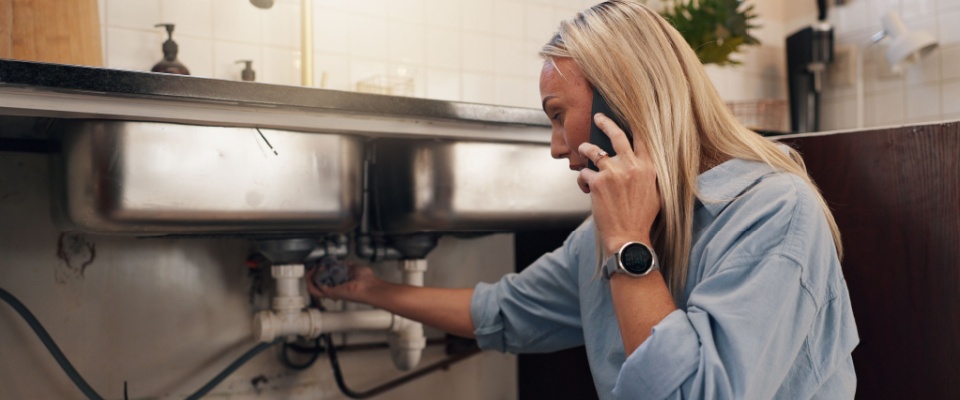
Examples of situations where an emergency contact may be used include a medical emergency, a fire alarm when you’re not home, severe water damage, or a welfare check requested by neighbors or authorities.
Why do renters need an emergency contact?
Renters need an emergency contact because landlords are responsible for the safety of the building, and they need a backup way to reach someone connected to you.
If you live alone, this becomes even more important. If something happens and no one can reach you, delays can make situations worse. An emergency contact helps avoid unnecessary damage, confusion, or escalation.
For first-time renters, an emergency contact also acts as a safety net. It’s one more way to make sure you’re protected while navigating rental life on your own.
Is an emergency contact a legal requirement for renters?
An emergency contact is usually not a legal requirement, but it is commonly required by landlords and property managers as part of the rental application or lease paperwork.
Most states don’t have laws that force renters to list an emergency contact. However, landlords are allowed to request one, and many make it a standard part of their process. Refusing to provide an emergency contact may delay approval or create friction during lease signing.
In short, it’s not about legality as much as practicality. Property managers want to be prepared, and emergency contact information helps them do their job responsibly.
How does an emergency contact work in a rental situation?
An emergency contact works as a backup communication option when normal contact methods fail.
Typically, your landlord will only use your emergency contact if:
- They’ve tried calling, texting, or emailing you.
- The situation is time-sensitive or safety-related.
- Waiting could put people or property at risk.
Your emergency contact won’t be called for routine matters like package deliveries or lease reminders. Their role is limited to real emergencies, not everyday apartment issues.
Who should renters choose as an emergency contact?
Renters should choose someone they trust, who is reliable, and who can respond calmly if contacted.

Good options often include:
- A close family member
- A trusted friend
- A long-term partner
- A roommate’s family member (if renting together)
The best emergency contact is someone who knows you well, can make reasonable decisions, and is reachable during the day.
Should renters choose someone local as an emergency contact?
Choosing someone local is helpful, but it’s not always necessary.
A local emergency contact can:
- Physically come to the apartment if needed.
- Help with pets or personal belongings.
- Communicate quickly with property staff.
That said, many renters choose a parent or sibling who lives in another city or state, and that’s usually fine. What matters most is reliability, not distance.
If you’re renting alone in a new city, a local friend plus a family member listed elsewhere can be a smart combination when allowed.
Can roommates be emergency contacts for each other?
Roommates can be emergency contacts, but they shouldn’t be the only option.
While roommates are nearby and easy to reach, they may not always be home or able to help in serious situations. It’s often better to list someone outside your household, especially for medical or legal emergencies.
If you do list a roommate, make sure they’re comfortable with the role and understand when they might be contacted.
What should renters tell their emergency contact?
Renters should always tell their emergency contact that they’ve listed them and explain what that means.
At a minimum, let them know:
- Where you live
- Who might contact them
- What kinds of situations could trigger a call
This avoids confusion and ensures your emergency contact doesn’t ignore an unfamiliar call during a critical moment.
Can renters change their emergency contact later?
Yes, renters can usually change their emergency contact at any time.
If your relationship changes, someone moves, or you simply want to update your information, notify your landlord or property manager in writing. Keeping this information current is part of being a responsible renter.
Life changes fast, especially for Millennials and Gen Z renters, so it’s normal to update emergency contact details over time.
What if a renter doesn’t have anyone to list as an emergency contact?
If you don’t have a close family member or trusted friend, consider someone who knows you well and can be reached reliably.

This could be:
- A coworker you trust
- A mentor
- A longtime neighbor
- A close friend who lives farther away
The key is trust and communication. An emergency contact doesn’t need to be perfect, just dependable.
Does an emergency contact have access to your apartment?
An emergency contact does not automatically have access to your apartment.
Listing someone as an emergency contact does not give them legal rights, keys, or decision-making power unless you’ve given that separately. Any access would still follow building policies and local laws.
This distinction is important for renters who value privacy and independence.
Why emergency contacts matter more when renting alone or for the first time
Emergency contacts are especially important for renters who live alone or are renting for the first time because there’s no built-in backup.
First apartments often come with learning curves. Having an emergency contact adds a layer of security while you get comfortable managing repairs, safety issues, and unexpected situations on your own.
It’s a simple step that signals maturity, preparedness, and awareness as a renter. Another useful safety measure is setting up an emergency fund, which can relieve any unexpected costs.
Why every renter should take emergency contacts seriously
An emergency contact may feel like a small detail, but it plays a big role in renter safety and peace of mind. It’s not about expecting something to go wrong. It’s about being prepared if it does.
For renters living alone, moving for the first time, or signing their first lease, choosing the right emergency contact is part of setting yourself up for success. It helps landlords act quickly, protects your interests, and ensures someone you trust is in the loop when it matters most.
FAQs: Emergency contact for renters
Q: Can my landlord call my emergency contact for non-emergencies?
A: No. Emergency contacts are meant for urgent situations only, not routine communication.
Q: Can I list more than one emergency contact?
A: Some landlords allow multiple emergency contacts, which can be helpful if one person is hard to reach.
Q: Does my emergency contact need to be on my lease?
A: No. An emergency contact is not a leaseholder and has no financial responsibility.
Q: What happens if I don’t update my emergency contact information?
A: Outdated information can delay responses during emergencies, so it’s important to keep it current.
Q: Is it weird to ask a friend to be my emergency contact?
A: Not at all. Most people are happy to help, especially if you explain what it involves.
Share this article:


Alexandra Both
Alexandra Both is a senior real estate writer and research analyst with RentCafe. She brings over 10 years of real estate writing experience, having served as a senior editor at Commercial Property Executive and Multi-Housing News. A seasoned journalist, Alexandra has worked across print, online, and broadcast media. Her work has been featured in a variety of prominent outlets, including The New York Times, The Guardian, USA Today, and Architectural Digest. She holds a B.A. in Journalism and an M.A. in Community Development.
Sign up for The Ready Renter newsletter
Get our free apartment hunting guide — plus renting tips, trends and research.




Related posts

What should renters check about windows before moving into an apartment?
When you’re touring a rental apartment or doing a final walkthrough before signing a lease, it’s easy to focus on the big-picture items: square footage,…

What is a holding deposit? A renter’s simple guide
A holding deposit is money you pay a property manager to take a rental off the market while your application is reviewed. It shows you’re…
Timing your apartment tour: How light, noise and traffic change by the hour
Most apartment tours happen between 10 a.m. and 5 p.m., when leasing offices are staffed and the sun is doing the apartment a favor. The…
Subscribe to
The Ready Renter newsletter