
Share this article:


Renting an apartment with history can feel like stepping into another time. From creaking floorboards to detailed moldings and original brickwork, historic properties offer character that modern rentals often lack. Along with that charm, however, comes a set of considerations renters should understand before moving in.
If you’re drawn to older properties for their personality and sense of continuity, it helps to know what daily life in a historic rental is really like. With the right expectations and preparation, renting a historic property can be a rewarding experience.
Why are renters drawn to historic properties?
The appeal of moving into a historic property goes beyond visual charm. Many renters feel an emotional connection to homes that have stood for generations. These spaces often feel solid, intentional, and full of craftsmanship that is difficult to replicate today.
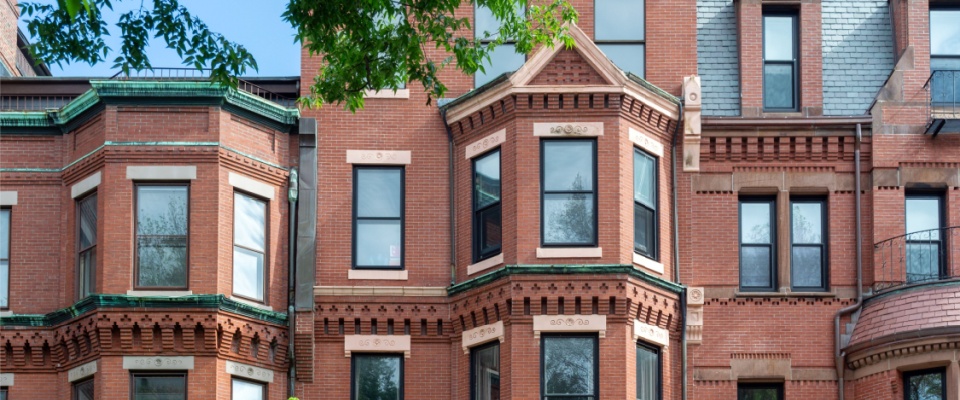
Common features that attract renters include:
- Original fireplaces or woodwork
- Tall windows and high ceilings
- Stained glass
- Decorative trim
Living in a historic property can also create a sense of stewardship. Renters often see themselves as temporary caretakers of a property that holds cultural or community value. This mindset can lead to a deeper appreciation for older building materials and thoughtful design.
But with that charm often comes quirks. Understanding what is normal for an older rental and what isn’t is an important part of the rental process.
Preparing to rent a historic property
Before signing a lease, you should understand how the apartment’s age affects daily living. Not all historic properties function the same way. Some have been carefully updated, while others retain many original systems and features.
Here are some key questions to ask the owner or property manager:
- Plumbing and electrical systems: When were they last updated?
- Heating and cooling: Is there a modern HVAC system, or is temperature control more traditional?
- Insulation: How old is the insulation? Does the rental feel cooler in summer and slower to heat in winter?
Temperature regulation is one of the most noticeable differences in historic properties. While thick walls can help stabilize indoor temperatures, utility costs and comfort levels may vary seasonally.

Furnishing is another consideration. Older places were designed before oversized furniture became common. Narrow doorways, steep staircases, and smaller rooms may require more planning. Measuring furniture in advance and thinking creatively about layout can prevent frustration later.
You should also talk about maintenance expectations upfront. Historic properties often require gentler care:
- Original wood windows may need careful handling.
- Hardwood floors may show natural wear.
- Antique finishes can be sensitive to heavy use.
Clear communication with your landlord about responsibilities and care standards helps protect both the rental and your tenancy.
What is daily life like in a historic rental?
Once you move in, you’ll likely notice that historic properties have their own rhythm. Sounds may travel differently through wood and plaster. Floors may creak. Natural light may change dramatically throughout the day.
Many renters find these details add warmth rather than inconvenience. Built-in cabinets, vintage tiles, or slightly uneven surfaces often become favorite features that influence how the space is used and decorated.
While adaptation is part of the experience, safety and functionality still matter. You should always report issues like inconsistent water pressure, outdated outlets, or unusual heat. Landlords who manage historic properties are typically invested in preservation, and early communication helps prevent larger problems.
Blending historic character with modern living
One of the biggest advantages of renting a historic property is the opportunity to blend old and new. Many renters find that these properties encourage a more grounded, intentional lifestyle.

Modern technology can usually be incorporated without disrupting the apartment’s character. Items such as Wi-Fi routers, smart thermostats, and energy-efficient appliances can coexist with historic features when installed carefully.
What are the long-term rewards of renting a historic rental?
Renting a historic property is a lived experience. While there may be adjustments, many renters find that the character and atmosphere of an older rental more than make up for the differences.
Learning how the place responds to seasons, caring for original features, and working collaboratively with your landlord all become part of the journey. Over time, these elements often feel meaningful rather than inconvenient.
Renting an older property combines nostalgia with everyday practicality. With realistic expectations, open communication, and respect for the rental’s past, a historic rental can be both comfortable and deeply rewarding.
Share this article:


Adina Dragos
Adina Dragos is a real estate writer and research analyst with RentCafe. She has solid experience in real estate writing, covering topics ranging from best cities for renters and the top cities for rental activity to cost of living. Her work was featured in several prominent media channels such as Axios, The Dallas Morning News, ConnectCRE and The New York Times.
Sign up for The Ready Renter newsletter
Get our free apartment hunting guide — plus renting tips, trends and research




Related posts

RentCafe Internet connects you to high-speed WiFi and entertainment services in one place
RentCafe partners with leading internet providers to bring reliable internet, streaming and mobile options directly to renters. Applicants and residents can browse and activate available…

How to break a lease without wrecking your finances or your record
Life changes fast. A new job across the country, a growing family, or an unexpected health situation can all make your current apartment feel like…

From dorm to lease: A step-by-step guide to the first apartment rental process
The first apartment rental process is your transition from shared dorm living to renting a place that’s fully yours. It involves setting a realistic budget,…
Subscribe to
The Ready Renter newsletter