Share this article:


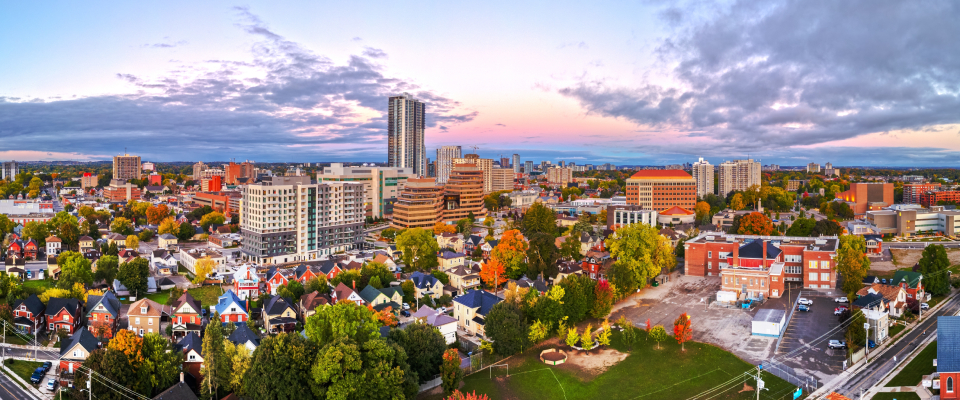
Renting in Cleveland is appealing if you want big-city amenities without the high price tags found in many other U.S. markets. The city offers a lower overall cost of living compared to similar-sized places like Chicago or Boston, yet renters still get access to a similar lifestyle — think quality healthcare, a strong arts scene, and diverse neighborhoods with character. For anyone looking for rental apartments here compared to other major metros, the value is hard to overlook.
Cleveland’s affordability is only part of the story. The city also delivers a high quality of life thanks to its access to outdoor attractions and natural areas. Lake Erie offers year-round recreation options, while theCleveland Metroparks Zoo, the Rocky River Reservation, and the entire Emerald Necklace give renters plenty of places to get outside.
On top of that, Ohio’s lack of taxes on estate and Social Security benefits adds another financial advantage for renters planning to retire here. These perks make apartments for rent in Cleveland a smart choice for anyone looking to balance affordability, comfort, and convenience.
Before signing a lease, however, it’s important to ask the right questions. Here are five key things to bring up when touring rental apartments in Cleveland:
1. How well is the apartment insulated for Cleveland’s cold winters and lake-effect snow?
The cold from Cleveland winters often lasts well into spring and can bring heavy snow, sharp winds, and temperatures that drop quickly. Because of that, insulation is one of the most important things renters should ask about.
Check whether the unit has updated windows, well-sealed frames, and modern insulation. Ask if the heating system is efficient and how old it is. It’s also worth confirming whether heat is included in the rent, since that can make a noticeable difference in your winter budget.

If you’re touring older apartments in Cleveland, pay attention to drafty doors or inconsistent room temperatures. These can signal rising utility bills once the cold sets in.
2. What’s the parking situation during winter, and how does the property handle snow removal?
Parking can get tricky in winter, especially in neighborhoods like Tremont, Old Brooklyn, and Detroit-Shoreway, where street parking is common. Snow can pile up fast, and street-parking bans during storms aren’t unusual.
When looking at apartments for rent in Cleveland, ask if the property offers off-street or covered parking and whether your spot is reserved.
Snow-removal policies also matter. Find out how quickly walkways, driveways, and lots are cleared after a storm. Well-maintained paths make winter safer and cut down on the daily hassle of digging out your car.
3. What’s the commute like to downtown or University Circle, and how reliable is public transit nearby?
Cleveland’s RTA system connects neighborhoods across the city, but service frequency varies quite a bit. If you rely on public transit, check how close the nearest bus or rail stop is and how often it runs at the times you need it. This can make or break your routine if you choose rental apartments in Cleveland without factoring in transit access.
If you drive, ask about typical commute times to downtown, University Circle, or other major job hubs. Traffic can shift during construction season or after winter storms, especially along I-90, I-480, and the Shoreway. Mapping your commute upfront helps avoid surprises once you move in.

4. Has the building been updated for modern electrical, plumbing, and heating systems?
A lot of apartments in Cleveland are in historic buildings with charm and character. But older buildings can also come with outdated systems.
Ask whether the property has completed recent upgrades to electrical wiring, plumbing lines, or boiler systems. Updates can help prevent issues like low water pressure, uneven heat, or unexpectedly high electric bills.
This is especially important in classic brick walk-ups or converted homes found in neighborhoods like Lakewood, Ohio City, and Shaker Square. A quick conversation with the property manager about maintenance history can give you clarity.
5. Are there any nearby development projects or entertainment districts that might affect noise, parking, or traffic?
Cleveland continues to grow, especially in downtown, Ohio City, and the Detroit-Shoreway area. New developments bring restaurants, breweries, and entertainment venues — which can be a perk — but they also bring more traffic and weekend noise. When considering apartments for rent in Cleveland, ask whether any new projects are planned nearby.
Construction can also affect parking availability or bring months of noise during early morning hours. Doing a quick search of neighborhood development plans or asking the leasing agent directly helps you anticipate changes that could impact your living experience.

If you’re searching for your first place or planning your next move, asking the right questions will help you find the best fit. As you compare apartments in Cleveland, keep winter conditions, building updates, transit access, and neighborhood changes in mind.
When you’re ready to explore your options, start browsing apartments for rent in Cleveland that match your budget and lifestyle.
Share this article:


Florin Petrut
Florin Petrut is a real estate writer and research analyst with RentCafe, using his experience as a social media specialist and love for storytelling to create insightful reports and studies on the rental market. With a strong interest in the renter experience, he develops data-driven resources that explore cost of living, affordable neighborhoods, and housing trends, helping renters make informed decisions about where and how they live. Florin holds a B.A. in Journalism and an M.A. in Digital Media and Game Studies.
Sign up for The Ready Renter newsletter
Get our free apartment hunting guide — plus local insights, trends and research.




Related posts

5 Questions to ask before renting an apartment in Cleveland
Renting in Cleveland is appealing if you want big-city amenities without the high price tags found in many other U.S. markets. The city offers a…

Apartment size in Ohio: Where to start looking for large rentals
Renting in Ohio offers a unique blend of history, culture, and modern living, making it an appealing choice for many. From the buzzing streets of…

Cost of Living in Cleveland: What to Expect When Living Here as a Renter
Relocating to a new city can be exciting, especially when you’re starting fresh in a new apartment. But, before packing boxes and signing a lease,…
Subscribe to
The Ready Renter newsletter