Share this article:


Renting in Denver comes with year-round sunshine, outdoor adventures, great neighborhoods and a relaxed city vibe. As with any major urban hub, many renters wonder whether they truly need a car here.
The good news is that public transit in Denver makes it surprisingly easy to get around without one. With reliable transit, walkable neighborhoods and parks and plenty of connections across the metro area, you can comfortably live and commute without the cost of owning a vehicle.
As you compare neighborhoods or choose your next apartment, it helps to understand all the major public transit choices available in the city. Below are the main transportation modes covered in this guide:
- Light rail
- Commuter rail
- Local and regional buses
- Free MallRide and MetroRide shuttles
- Micromobility options like bikes and scooters
What is the light rail in Denver and why is it useful for renters?
The light rail is a network of electric train lines operated by the Regional Transportation District and it’s one of the easiest ways for renters to travel between Denver neighborhoods and nearby suburbs. It’s helpful because it reduces the need for a car commute, avoids parking fees downtown and connects directly to many residential areas.
Denver’s light rail system includes several lines running through the city and outward to communities like Lakewood, Englewood, Aurora, Lone Tree and Golden. Trains run frequently during peak hours, so if your apartment is near a station, the light rail can make your daily routine much smoother.
Renters often choose apartments near light rail stops because it keeps transportation costs low, supports stress-free commuting and provides a reliable alternative to sitting in traffic.
How does the commuter rail help renters get around Denver?
The commuter rail is Denver’s higher-speed train service and it helps renters by offering quick, reliable connections to downtown and major destinations such as Denver International Airport. It’s especially useful for renters who travel often or commute from farther outside the city.
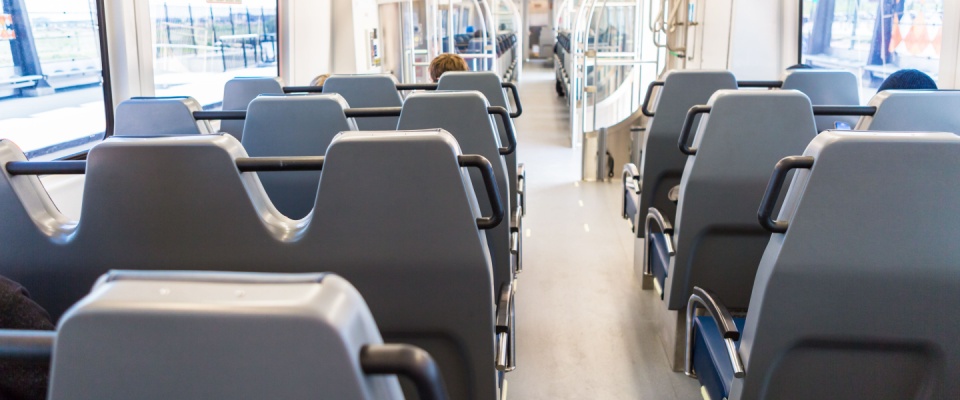
The most popular route is the A Line, which links Union Station to the airport. Other lines — like the B Line to Westminster and the N Line serving Thornton and Northglenn — make regional travel easier and more predictable. These trains run on dedicated tracks, so they stay on schedule even during peak traffic hours.
For renters who don’t want to drive to the airport or deal with parking, the commuter rail is one of the best public tranit options in the region.
How do Denver’s buses support daily life for renters?
Denver’s bus network supports renters by covering areas that rail lines don’t reach. These routes offer frequent, flexible service for commuting, errands and everyday travel. If you live in a neighborhood without a nearby train station, chances are a bus stop is only a short walk away.

Local buses run throughout Denver, while regional buses travel to places like Boulder, Longmont and other nearby communities. This makes the bus network a reliable solution for renters who work unconventional hours or need early-morning or late-evening transportation.
Because buses serve such a wide area, renters can choose apartments based on budget and preference rather than proximity to rail lines — all while maintaining access to dependable public transit in Denver.
What are the MallRide and MetroRide and why should renters use them?
The MallRide (now known as 16th Street FreeRide) and MetroRide are free downtown shuttle services. If you want to travel through central Denver quickly, simply and cost-free, these are the perfect options for renters. The shuttles reduce the need to drive downtown, which helps avoid traffic, parking fees and long walks between destinations.
MallRide operates along the revitalized 16th Street Mall corridor and is perfect for trips to restaurants, shops, or workplaces. Meanwhile, MetroRide runs between Union Station and Civic Center Station on weekdays and provides a quicker option for commuters moving through downtown.
For renters who choose to live or work in the city center, these shuttles make daily life more convenient and walkable without adding transportation costs.
How do bikes, scooters and micromobility options help renters get around?
Micromobility options such as shared scooters, e-bikes and Denver’s network of bike lanes help renters by offering a flexible, fast way to travel short distances or connect to bus and rail stops. They are especially useful for bridging the “last mile,” the gap between your apartment and the nearest transit service.
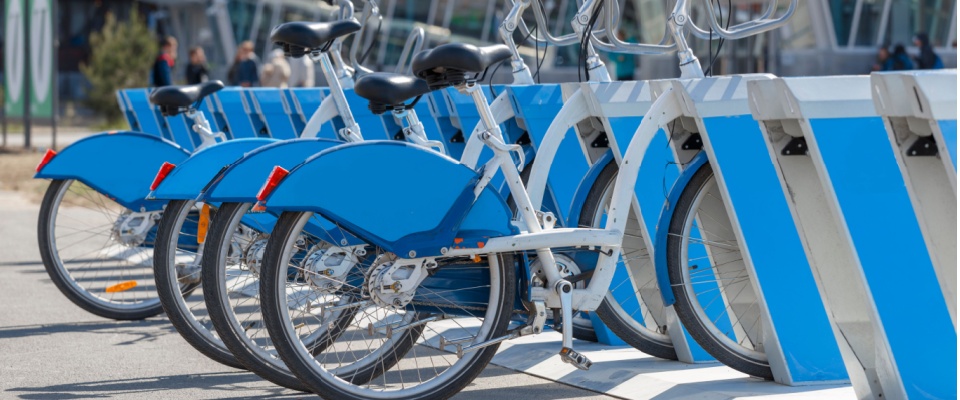
Renters often rely on scooters and bikes in areas such as downtown, Capitol Hill, RiNo, Cherry Creek and other walkable neighborhoods. These options let you skip traffic, enjoy outdoor travel and avoid the costs associated with car ownership.
For eco-minded or budget-conscious renters, micromobility fits well into a car-free or car-light lifestyle in Denver.
Why should renters rely on public transit in Denver, CO?
Renters should rely on public transit in Denver because it offers an affordable, stress-free and environmentally friendly way to navigate the city. With rail lines, buses, free downtown shuttles and a growing network of bike and scooter options, Denver makes it easy to move around without owning a car.
If you’re commuting to work, meeting friends, running errands, or exploring the city, Denver’s public transit system supports a comfortable and convenient lifestyle for renters.
If you’re interested in public transit options in other cities, check out our transit guides for San Francisco, Atlanta and New York City.
FAQ
Q: Can I live in Denver without owning a car?
A: Yes. Many renters rely entirely on trains, buses, shuttles and scooters for daily travel.
Q: How much does it cost to use RTD transit?
A: Costs vary, but day passes and monthly passes offer savings for frequent riders.
Q: Is public transit reliable during peak commute times?
A: Most routes run more frequently during rush hours and maintain dependable schedules.
Q: What’s the easiest way to get to Denver International Airport without a car?
A: The A Line commuter rail is usually the fastest and most reliable option.
Q: Which Denver neighborhoods have the best access to public transit?
A: Yes. Areas near downtown, along light rail corridors, or close to major bus routes tend to have the strongest transit access.
Share this article:


Alexandra Both
Alexandra Both is a senior real estate writer and research analyst with RentCafe. She brings over 10 years of real estate writing experience, having served as a senior editor at Commercial Property Executive and Multi-Housing News. A seasoned journalist, Alexandra has worked across print, online, and broadcast media. Her work has been featured in a variety of prominent outlets, including The New York Times, The Guardian, USA Today, and Architectural Digest. She holds a B.A. in Journalism and an M.A. in Community Development.
Sign up for The Ready Renter newsletter
Get our free apartment hunting guide — plus local insights, trends and research.




Related posts

28 things to do in Denver, as suggested by locals
Article updated September 2026 Denver, Colorado, often referred to as the “Mile-High City” (because its elevation is exactly one mile above sea level), is perhaps…

How do you get around using public transit in Oakland, CA?
Oakland sits at the center of the Bay Area’s transit map, which matters more than almost any other factor when you’re comparing apartments. Trains, buses…

A renter’s guide to public transit in Fort Lauderdale, FL
Fort Lauderdale, FL, is known for its beaches, canals and year-round sunshine, but it also offers renters a surprisingly varied mix of ways to get…
Subscribe to
The Ready Renter newsletter