Summer Moves & Student Grooves: What to Know About Moving Near a College Town
Share this article:


Summer — the season of sunshine, smoothies and moving vans. While the rest of the world may be jetting off to the beach or firing up the grill, you’re loading boxes, double-checking leases and trying to remember where you packed your toothbrush. Moving during summer is already a whirlwind, but if you’re moving near a college town, get ready for a whole different kind of hustle and bustle.
College towns have their own heartbeat. From the ebb and flow of student populations to the housing quirks that come with them, there’s a lot to consider. Whether you’re a student, a young professional or someone who just likes the buzz of being close to campus, moving near a college town in the summer requires a bit of insider knowledge.
Without further ado, let’s unpack everything you need to know before you roll up your sleeves and roll into your new college-adjacent digs.
1. Timing is everything when you’re moving near a college town
If you think summer is peak moving season everywhere, you’re right — but it’s a textbook case of “extra” when it comes to moving near a college town. Here’s why: Students are moving out, incoming freshmen are scouting rentals and landlords are flipping properties faster than a stack of final exams.
Leases typically begin & end around academic calendars:
Most leases in college towns revolve around the school year. That means a lot of rentals will become available in May and August, making June and July competitive battlegrounds for securing the right place. So, be prepared to move fast — and possibly flex your move-in date if the previous renters are still packing up their posters and pizza boxes.

You’re competing with a crowd:
Don’t be surprised if you see rental applications being completed on-site or prospective renters showing up with their parents, ready to write checks. Many landlords receive multiple inquiries in a single day during peak season, so it pays to be prompt, polite and paperwork-ready.
2. Know the neighborhoods before moving near a college town
When you’re moving near a college town, location is more than just a matter of commute — it’s a lifestyle decision. Not all parts of a college town are created equal, and your experience can differ greatly depending on where you plant your roots.
Student central vs. quiet quarters:
Some neighborhoods are thick with student housing, making them livelier (read: louder) and often more affordable. Others cater more to families, faculty, or professionals with a quieter ambiance and possibly a higher price tag.
Parking predicaments:
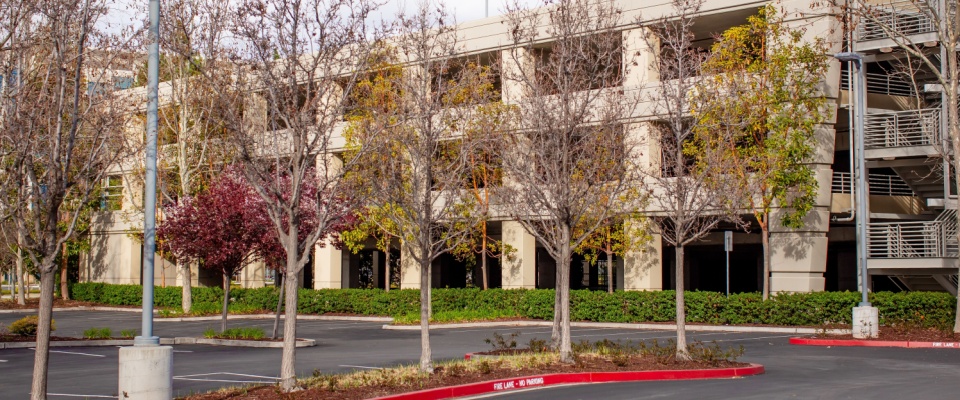
College towns are notorious for their parking puzzles. That hip little apartment across from campus might not come with a parking spot, and you’ll quickly learn the pain of circling the block if that’s the case. Check local parking regulations as some towns require permits for street parking in residential zones.
Noise levels & nightlife:
If your ideal evening involves sipping tea and reading a book, you may not want to live next door to the designated party house. On the other hand, if you’re still into Taco Tuesdays and midnight karaoke, maybe that’s exactly your scene.
3. Lease details can be in a class of their own
When moving near a college town, leases may have their own quirks compared to traditional housing markets. Landlords are used to catering to transient renters like students, so lease structures may reflect that.
Short-term leases or academic-year contracts:
You might see nine-month leases more often than 12-month ones or find that landlords prefer full-year commitments regardless of summer vacancies. Some also offer options to sublet — which is great for students leaving town during breaks or new renters looking for a temporary setup.
Security deposits & co-signers:
Especially in college towns, landlords may require co-signers for renters who don’t have a credit history or proof of income. If you’re not a student, this could still apply depending on your financial profile, so be prepared.

Read the fine print:
Noise clauses, guest policies and even furniture rules can be stricter in college-town leases. Don’t skip the lease details — treat it like a syllabus. It’s long, but it tells you everything you need to know.
4. Embrace the college town culture (or prepare for it)
One of the biggest perks of moving near a college town is the culture. Where else can you find late-night taco trucks, bookstore cats and free outdoor concerts all in the same weekend?
The vibe comes with plenty of perks, starting with bustling local businesses that stay open late, making it easy to grab a bite or run errands after hours. There’s also convenient access to events, museums, and theaters, so there’s always something happening nearby. Adding to the appeal is a strong sense of youthful energy and innovation, thanks in part to the student population — and, of course, no shortage of cozy coffee shops to fuel it all.
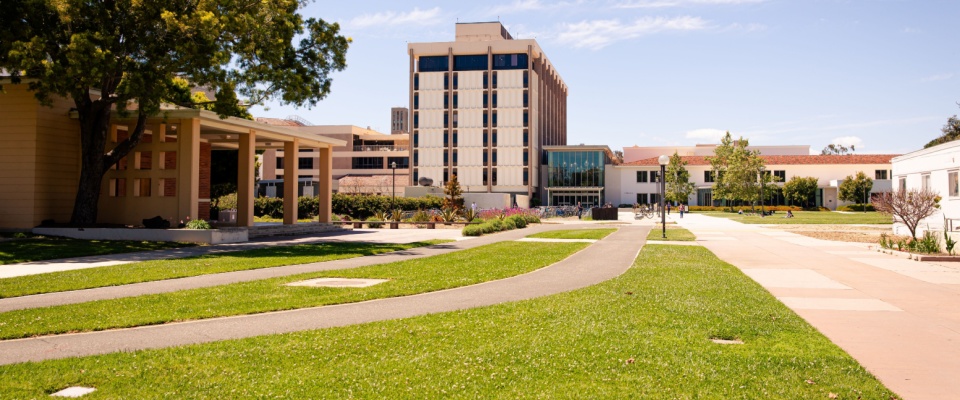
If you’re adaptable, open-minded and maybe a little nostalgic for your own college days, you’ll fit right in. Otherwise, a noise machine and blackout curtains might be your new best friends.
5. Furniture, roommates & other summer surprises
When moving near a college town in summer, you might stumble upon some unique opportunities and challenges.
Secondhand heaven:
Summer is peak season for students offloading furniture, appliances and even textbooks. So, check the local classifieds, Facebook groups and curbsides (yes, really) for deals on gently used treasures. It’s like thrift shopping, but with more futons.
Roommate roulette:
Many listings in college towns are for rooms, not whole units. If you’re joining a house mid-lease, make sure to meet potential roommates first: Your Netflix preferences might align, but your cleaning habits could clash.

Utilities 101:
Not all rentals in college towns include utilities. If you’re sharing with others, discuss how you’ll split bills before move-in. After all, nothing kills the vibe like a battle over Wi-Fi costs.
Moving near a college town during the summer is equal parts exciting and exhausting. The neighborhoods are unique, the rental market moves fast and the culture is as rich as it is occasionally rowdy. However, with a little prep, a healthy sense of humor and maybe a good earplug recommendation, you’ll ace this transition.
Remember, knowledge is power — especially when it comes to summer leases. So, study up, ask questions and take your time choosing the right spot. Whether you’re in it for the energy, the location or the late-night ramen, living near a college town might just be the smartest move you’ve made since deciding to relocate in the first place.
Share this article:


Adina Dragos
Adina Dragos is a real estate writer and research analyst with RentCafe. She has solid experience in real estate writing, covering topics ranging from best cities for renters and the top cities for rental activity to cost of living. Her work was featured in several prominent media channels such as Axios, The Dallas Morning News, ConnectCRE and The New York Times.
Sign up for The Ready Renter newsletter
Get our free apartment hunting guide — plus moving tips, trends and research.




Related posts

How far in advance should you book a moving company for peak-season moves?
If you’re planning a move during peak season (May through September), you should book a moving company at least four to eight weeks in advance…

Moving during winter: Tips to keep your cold-weather move safe and smooth
Moving to a new rental apartment in winter? You’re facing some unique challenges — icy walkways, freezing temperatures, and the constant threat of moisture damage…

How to Move Out of an Apartment With Kids
Moving out of an apartment and into a new home is a big step for any family. But when you have children, that process can…
Subscribe to
The Ready Renter newsletter