Share this article:


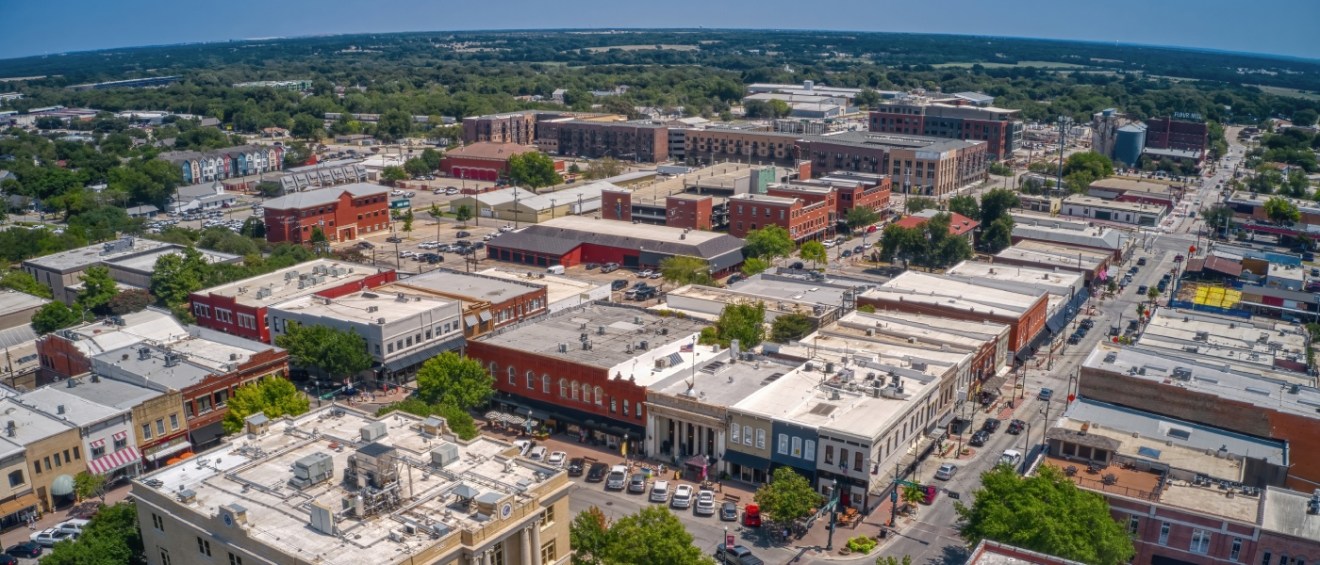
When it comes to cities of the future, one might think of technological advancement and innovation that will completely reshape infrastructure. The city of tomorrow is, to most, a smart one, planned with accessibility and sustainability in mind. It may seem that there is no room for historic heritage in this “out with the old, in with the new” way of urban development – and this is where adaptive reuse comes into play. An approach that, from a preservation aspect, has a powerful impact on the community, adaptive reuse gives a future to the past by converting old buildings into rental apartments.
The History of Adaptive Reuse
The concept of adaptive reuse has ancient roots, dating back to the Roman Empire when structures like the Colosseum were converted into housing, workshops, and fortresses. Throughout history, communities have adapted existing buildings for new functions to meet the changing needs of society. However, the modern adaptive reuse definition has evolved to encompass not only functional change but also a commitment to preserving the cultural and architectural heritage of a building.

In the last 70 years, almost 2,000 old buildings were converted into apartments, including around 800 in the last decade alone — an all-time high. Compared to the 1950s, when repurposed buildings were extremely rare, the 2010s saw 55 times more old buildings converted to apartment communities. That’s a leap from just 14 projects in the ’50s to 778 conversions last decade — a number that has been increasing rapidly, especially since the 1990s. The same upward trend is confirmed by the number of apartments in adaptive reuse buildings — from about 2,000 rental units in the ’50s to almost 97,000 units opened in converted structures last decade. In total, there are now more than 240,000 apartments for rent in large, repurposed buildings in the U.S.
Adaptive Reuse and the Environment
One of the most significant advantages of adaptive reuse is its positive impact on the environment. By repurposing existing structures, we reduce the need for new construction, which demands vast amounts of resources, energy, and materials. Renovating and retrofitting an existing building typically requires fewer raw materials, less energy consumption, and generates fewer greenhouse gas emissions compared to building from scratch. This approach aligns with the principles of sustainability and reduces the carbon footprint of urban development.

Preservation of Cultural Heritage Through Adaptive Reuse
Adaptive reuse also plays a crucial role in preserving the cultural heritage of a community. Old buildings often carry historical significance, and their demolition would result in the loss of valuable pieces of a community’s history. By adapting these structures for new uses, we ensure that the memories, stories, and architectural beauty of the past remain accessible to future generations. Moreover, adaptive reuse can contribute to the revitalization of historic neighborhoods, boosting tourism and local economies.
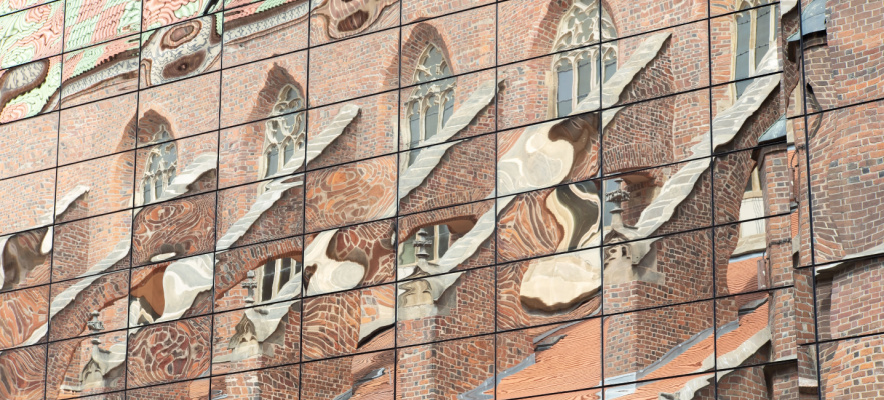
In the realm of architectural innovation, adaptive reuse projects focused on residential spaces shine as examples of transformation. Across the United States, historic structures are breathing new life as homes through adaptive reuse initiatives.
The Many Faces of Adaptive Reuse
Adaptive reuse projects are a versatile concept that can be applied to a wide range of building types. Historic factories, warehouses, schools, churches, and even shipping containers have all been successfully transformed into innovative new spaces. Examples of adaptive reuse projects include converting old industrial spaces into trendy loft apartments, repurposing schools into community centers, or transforming disused churches into unique event venues. The possibilities are limited only by creativity and the specific needs of a community.
Along with changing economic needs and trends, the types of buildings turned into apartments have also changed over time. For instance, from the ’50s through the ’90s, hotels were the most common type of building to be converted into apartments. Then, in the 2000s, it was mostly factories that became apartments. Finally, in the 2010s, offices were the most common structures to be turned into rentals.
Currently, despite a slowdown in 2022, the outlook for adaptive reuse projects remains promising, with a significant surge in projected growth and a focus on repurposing office buildings, hotels, and factories for residential use.
Share this article:


Andreea Neculae
Andreea covers the data and trends behind the flexible workspace industry, from coworking pricing and market growth to the amenities, commute patterns, and shifts redefining where and how people work.
With an academic background in Language Arts, Andreea has built her career producing research-driven articles, market reports, and B2B content grounded in proprietary industry data. Her writing has been featured in The Business Journals, The New York Times and Forbes. She has a knack for turning dense datasets into stories that are clear, sharp, and genuinely useful to readers.
For Andreea, writing is a bigger part of her life than just work. Outside the office, she enjoys writing fiction, penning book reviews, and reading.
Drop her a line via email.
Sign up for The Ready Renter newsletter
Get our free apartment hunting guide — plus renting tips, trends and research.




Related posts

Matching your apartment to your work, hobbies, and daily routine
Finding an apartment isn’t just about square footage or rent. It’s easy to get drawn in by polished photos, modern finishes, or a good deal,…

How to find affordable student housing in major U.S. cities
Moving to major U.S. cities as a student can be such an exciting challenge. While it generally means dealing with higher rents than in smaller…

Studio vs. 1-bedroom apartment: Which is better for a first-time solo renter?
Choosing between a studio vs. 1-bedroom apartment shapes your budget, comfort, and daily routine. First-time solo renters feel this impact the most because they’re managing…
Subscribe to
The Ready Renter newsletter