Share this article:


When summer temperatures rise, keeping a rental apartment comfortable can be tricky — especially if you’re trying not to run the air conditioning all day. Many rentals weren’t designed with extreme heat in mind, and not everyone has control over upgrades or energy use.
The good news is that there are several renter-friendly ways to cool down an apartment by managing sunlight, airflow and everyday heat sources more intentionally. Small changes, used consistently, can noticeably improve comfort.
How can managing sunlight help cool down an apartment?
Sunlight is one of the biggest contributors to indoor heat, especially in apartments with large windows or sun-facing exposures. Even a few hours of direct sun can raise the temperature of a room and make it uncomfortable well into the evening.
Managing sunlight isn’t about blocking natural light entirely — it’s about being strategic during the hottest parts of the day. Preventing heat from entering your apartment in the first place is often easier than trying to cool it down afterward.
To limit heat buildup, it helps to:
-
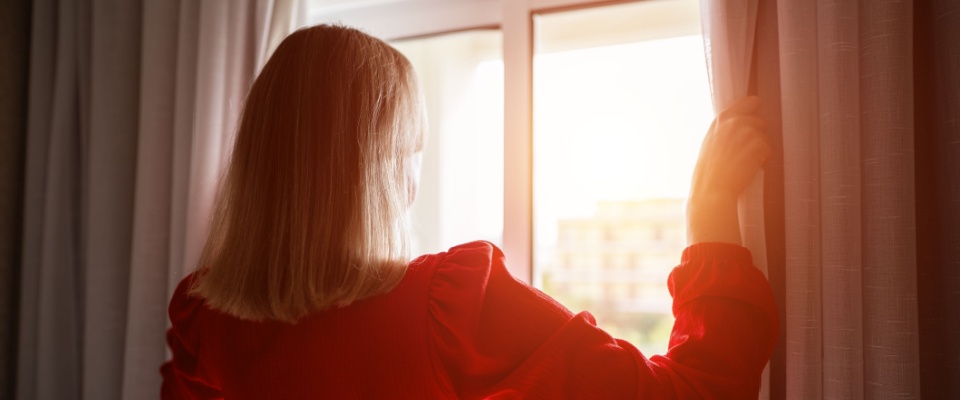
Keep curtains or blinds closed during the hottest part of the day.
Midday and afternoon sun tends to generate the most heat, so closing window coverings during those hours can make a noticeable difference. -
Use thicker or thermal curtains on sun-facing windows.
These provide extra insulation and help reduce how much heat passes through the glass. -
Pay special attention to windows that get afternoon sun.
West-facing windows often contribute the most heat and benefit the most from shading.
Blocking heat before it enters your apartment is one of the most effective and renter-friendly cooling strategies.
Do fans actually make an apartment feel cooler?
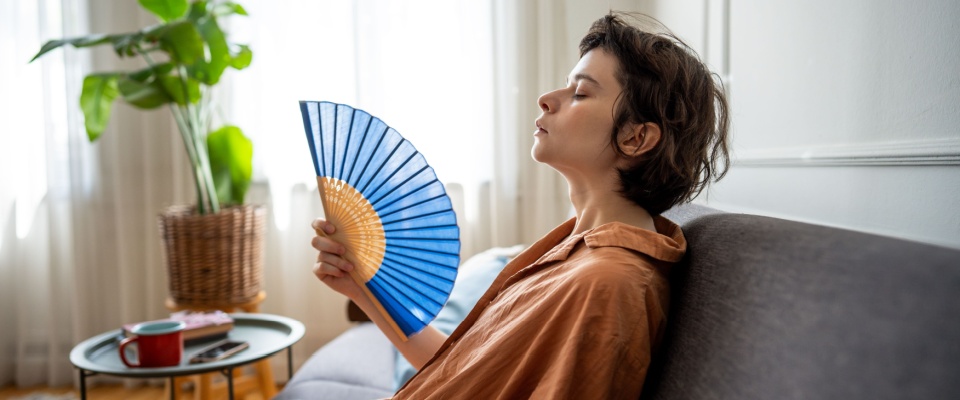
Fans don’t lower the actual temperature, but they improve airflow and help your body cool itself more efficiently. When used correctly, fans can make a room feel significantly more comfortable without increasing energy use as much as air conditioning.
The key is using fans to move air intentionally rather than just pointing them randomly.
For best results:
-
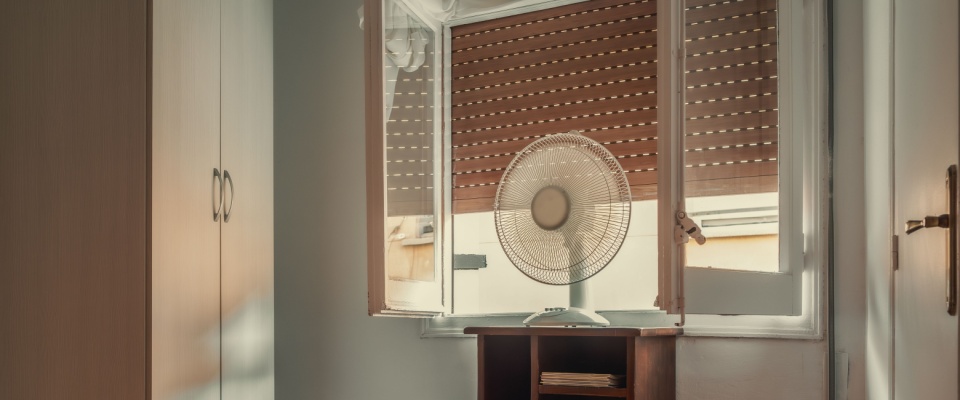
Position standing or box fans to circulate air across the room.
Moving air across open space helps prevent heat from settling in one area. -
Set ceiling fans to push air upward during warm months.
This promotes air circulation and prevents warm air from stagnating near the ceiling. -
Use fans near windows in the evening to pull in cooler outdoor air.
This can help flush out warm indoor air after the sun goes down.
Good airflow helps keep temperatures more even and reduces that “stuffy” feeling.
Which everyday items add extra heat indoors?
Many renters don’t realize how much heat everyday electronics and appliances generate. While each item may seem insignificant on its own, the combined effect can noticeably warm up an apartment.
Reducing internal heat sources is a simple way to support other cooling efforts.
To cut back on unnecessary heat:
-
Turn off computers, TVs and monitors when not in use.
These devices continue to emit heat even when they’re idle. -
Keep heat-producing electronics away from thermostats.
Nearby heat can trick temperature sensors into running cooling systems longer than needed. -
Use energy-efficient lighting that gives off less heat.
Some lighting types produce much less ambient heat and help keep rooms cooler.
Reducing internal heat sources helps your apartment stay comfortable for longer periods.
When is the best time to use heat-producing appliances?
Appliances that use hot water or create steam can raise both temperature and humidity levels. Higher humidity makes the air feel warmer than it actually is, which can make cooling more difficult.
Being mindful of when you use these appliances can improve comfort throughout the day.
To minimize their impact:
-
Run dishwashers or washing machines during cooler hours.
Early morning or evening use prevents heat buildup during peak temperatures. -
Use ventilation fans when available.
Exhaust fans help remove warm, humid air before it spreads. -
Avoid trapping warm, humid air inside the apartment.
Allowing steam to dissipate reduces lingering heat.
Managing humidity is just as important as managing temperature when cooling an apartment.
How can better airflow cool down an apartment overall?
Airflow affects how evenly heat is distributed from room to room. Poor circulation can cause some spaces to feel much warmer than others, even if the overall temperature seems manageable.
Improving airflow helps heat move out instead of getting trapped.
Simple ways to encourage better circulation include:
-
Keeping interior doors open when possible.
This allows air to move freely between rooms. -
Making sure furniture doesn’t block vents or fans.
Obstructions can prevent cooled air from circulating properly. -
Using fans to move cooler air toward warmer rooms.
Strategic fan placement helps balance temperatures across the apartment.
Even small airflow adjustments can lead to noticeable improvements in comfort.
Final thoughts
Learning how to cool down an apartment doesn’t require major upgrades or expensive equipment. By controlling sunlight, improving airflow and limiting excess heat from appliances, renters can create a noticeably more comfortable space during warmer months.
A few intentional habits can go a long way toward staying cool — and relying less on air conditioning.
Share this article:


Florin Petrut
Florin Petrut is a real estate writer and research analyst with RentCafe, using his experience as a social media specialist and love for storytelling to create insightful reports and studies on the rental market. With a strong interest in the renter experience, he develops data-driven resources that explore cost of living, affordable neighborhoods, and housing trends, helping renters make informed decisions about where and how they live. Florin holds a B.A. in Journalism and an M.A. in Digital Media and Game Studies.
Sign up for The Ready Renter newsletter
Get our free apartment hunting guide — plus renting tips, trends and research.




Related posts
What should renters check about windows before moving into an apartment?
When you’re touring a rental apartment or doing a final walkthrough before signing a lease, it’s easy to focus on the big-picture items: square footage,…

What is a holding deposit? A renter’s simple guide
A holding deposit is money you pay a property manager to take a rental off the market while your application is reviewed. It shows you’re…
Timing your apartment tour: How light, noise and traffic change by the hour
Most apartment tours happen between 10 a.m. and 5 p.m., when leasing offices are staffed and the sun is doing the apartment a favor. The…
Subscribe to
The Ready Renter newsletter