Share this article:


Charlotte is drawing new residents from across the country, from young professionals chasing careers in banking and tech to families looking for a mix of Southern charm and big-city energy. The city’s rental market has a huge range of options, including high-rise apartments in Uptown, garden-style communities in the suburbs and everything in between. Compared to coastal metros like Washington, D.C. or Miami, renting in Charlotte still offers more space for the money.
But Charlotte’s rapid growth brings a few quirks that can catch newcomers off guard. Summers in the city are intense, and not every rental apartment comes equipped to handle the heat. Parts of the city sit near creeks that flood during heavy storms, and a wave of new construction means your neighborhood could look very different a year after you move in. These are the kinds of things a glossy listing page won’t tell you.
Here's what the questions will help you evaluate:
- Air conditioning and how the apartment handles summer heat
- Flood history and stormwater risk near the building
- Who pays for utilities and what summer cooling costs look like
- Nearby construction and how it could affect noise and traffic
- Commute options and parking availability
Use these questions to spot potential problems early and find a home that fits how you live in Charlotte.
1. Does this apartment have air conditioning, and who is responsible for maintaining it?
The answer you’re looking for: A straightforward confirmation that the apartment has a working A/C system, along with details about who handles repairs and how quickly. You want to know:
- Whether the apartment has central air, a split system or window units
- Who pays for A/C repairs and filter replacements
- What the typical response time is for cooling-related maintenance requests during summer
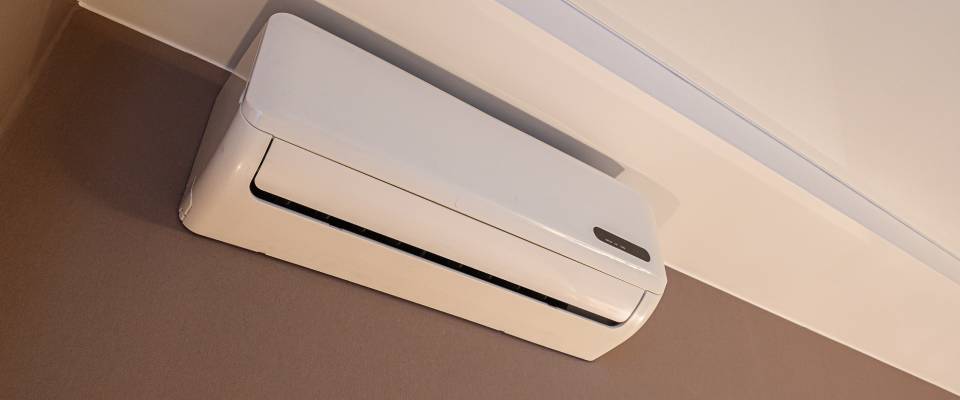
Why it matters: North Carolina does not require landlords to provide air conditioning, and Charlotte has been officially classified as an urban heat island by the city itself. Summers regularly push past 95 degrees with high humidity, and some neighborhoods feel up to 10 degrees hotter than surrounding rural areas. An estimated 7,500 rental homes in Charlotte still lack A/C, so this is not a detail you want to assume is covered.
2. Has this property or any nearby area ever flooded during heavy rain?
The answer you’re looking for: The landlord or property manager should tell you directly whether the building or parking area has experienced any water intrusion during storms.
Ask whether the property sits near a creek, in a FEMA-mapped floodplain or in a low-lying area that collects runoff. If flooding has happened before, find out what steps were taken to prevent it from happening again. A transparent answer here tells you a lot about how the property is managed.
Why it matters: Charlotte sits on clay-heavy soil with an extensive network of creeks running through the city, which means heavy rain can cause flash flooding even outside official flood zones. Neighborhoods near Briar Creek, Little Sugar Creek and McMullen Creek have a long history of water damage to ground-floor apartments. Standard renters insurance does not cover flood damage, so you would need a separate policy if the risk is real.
3. What utilities are included, and what should you budget for electricity in the summer?
The answer you’re looking for: A clear breakdown of which utilities are included in your monthly payment and which are billed separately. Ask specifically about electricity, water, sewer, trash and internet.
For electricity, request a general idea of what previous residents have paid from June through September.

You should also get clarification on these points:
- Whether the apartment is individually metered or part of a shared utility system
- Which provider handles electricity (typically Duke Energy in Charlotte)
- Whether there is a cap or flat fee for any included utilities
Why it matters: Charlotte’s extended cooling season means electricity bills can spike sharply between May and September. Apartments in older buildings or those with poor insulation may cost significantly more to cool, and you might not realize it until your first summer bill arrives. Understanding the full monthly cost upfront helps you avoid budget surprises in a city where summer heat is a given.
4. Is there any active or planned construction near the building?
The answer you’re looking for: The property manager should be able to tell you about any construction projects happening on the property itself, on adjacent lots or along nearby roads.
Ask whether any new apartment buildings, commercial developments or road expansions are underway or approved within a few blocks. Construction timelines and expected noise levels are reasonable things to ask about before you commit.
Why it matters: Charlotte is one of the fastest-growing cities in the Southeast, and tens of thousands of new apartment homes are in the construction pipeline. Areas like North Charlotte, South End and Huntersville have seen a surge of development that brings noise, dust and road detours. A neighborhood that looks quiet during a weekend tour can turn into a busy (and noisy) job site on a Monday morning.
5. What are the parking and commute options from this location?
The answer you’re looking for: Ask whether parking is included with your lease or costs extra and whether spots are assigned or first-come, first-served. Get specifics about how many vehicles are allowed per apartment.
If you plan to use public transit, ask how far the nearest CATS light rail station or bus stop is and whether the property offers any transit incentives. For those who drive, ask about typical commute times to your workplace during rush hour.
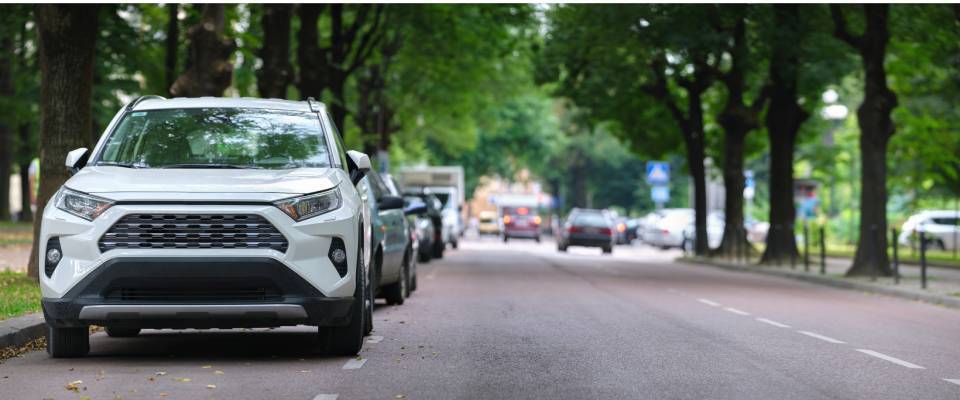
Why it matters: Charlotte is still a car-dependent city for most residents, and parking availability varies widely depending on the neighborhood. Uptown and South End apartments may charge a premium for garage spots, while suburban communities might include open-lot parking at no extra cost.
The LYNX Blue Line connects several popular neighborhoods, but coverage is limited, so knowing your daily commute before you sign a lease can save you time and frustration down the road.
Renting in Charlotte involves more than browsing photos and comparing square footage. The city’s intense summers, flood-prone geography, booming construction and car-oriented layout all shape what your day-to-day life will feel like once you move in. Taking a few minutes to ask these questions before you sign and pay a deposit gives you a much clearer picture of what you are committing to and helps you start your new chapter in Charlotte with confidence.
Share this article:


Adina Dragos
Adina Dragos is a real estate writer and research analyst with RentCafe. She has solid experience in real estate writing, covering topics ranging from best cities for renters and the top cities for rental activity to cost of living. Her work was featured in several prominent media channels such as Axios, The Dallas Morning News, ConnectCRE and The New York Times.
Sign up for The Ready Renter newsletter
Get our free apartment hunting guide — plus renting tips, trends and research.




Related posts

What should you ask before renting an apartment in Charlotte, NC?
Charlotte is drawing new residents from across the country, from young professionals chasing careers in banking and tech to families looking for a mix of…

Cost of living in Charlotte, NC: What to know before you rent
If you’re a renter planning a move to Charlotte, NC, you’ll want to get a feel for daily life long before signing a lease. That…

Top zip codes in Charlotte, NC, for new rental options
Charlotte’s rental market has evolved significantly, with over 71,000 new apartments built over the past decade. This building boom reflects the city’s sustained growth as…
Subscribe to
The Ready Renter newsletter