Share this article:


- The national average rent went up by 3.2% in the past year but dipped by 0.1% month-over-month, reaching $1,471 in September according to data from Yardi Matrix.
- Fenton, MI renters saw the highest monthly rent increase in September, with the average rate reaching $971 per month.
- Allendale apartments are the most expensive, while apartments in Flint have the cheapest rents.
The first monthly decline in over two years brings the U.S. average rent down to $1,471
As part of a seasonal respite, the national average rent decreased for the first time since February 2017, dipping by -0.1% ($1) from last month to $1,471. The decrease might seem insignificant, but coupled with the slowest year-over-year hike in the past 13 months, 3.2% ($45), it points to a slight wind-down in rent prices in the context of a more volatile financial climate, according to Yardi Matrix.
Renting in Michigan in September 2019
The average rent in Michigan cities is generally lower than the national average rent. The fastest growing rents in September were in Fenton, where prices increased by 3.0% month over month, or $28. Holt apartments saw the second highest monthly increase, jumping by 1.1% and making them $11 more expensive than last month. In Dearborn, prices decreased by 1.5% ($21) compared to August.
Allendale apartments are the state’s most expensive for renters, with an average rent of $1,599, followed by Ann Arbor, where the average monthly rent is $1,580. On the other hand, the cheapest city to rent an apartment of the cities analyzed is Flint, with an average rent of $632.
To compare the rental market in Michigan with other cities in the U.S., you can also check our national September rent report.
Methodology
RentCafe.com is a nationwide apartment search website that enables renters to easily find apartments and houses for rent throughout the United States.
The data on average rents included in our reports comes directly from competitively-rented (market-rate) large-scale multifamily properties (50+ units in size), via telephone survey. The data is compiled and reported by our sister company Yardi Matrix, a business development and asset management tool for brokers, sponsors, banks and equity sources underwriting investments in the multifamily, office, industrial and self-storage sectors. Fully-affordable properties are not included in the survey and are not reported in rental rate averages. Local rent reports include only cities with a statistically-relevant stock of large-scale multifamily properties of 50+ units.
Fair use and redistribution
We encourage you and freely grant you permission to reuse, host, or repost the images in this article. When doing so, we only ask that you kindly attribute the authors by linking to RentCafe.com or this page, so that your readers can learn more about this project, the research behind it and its methodology.
Share this article:


Sanziana Bona
Sanziana Bona is a senior copywriter specializing in commercial real estate technology for Yardi Kube, an all-in-one coworking and flexible workspace management platform, and Yardi Corom, a cloud-based solution built for commercial tenants and corporate occupiers. With a strong focus on the evolving needs of occupiers and workspace operators, she develops in-depth, research-driven content that translates complex industry topics into clear, actionable insights. Her expertise spans occupancy analytics, portfolio optimization, FASB and IFRS lease accounting compliance, coworking operations and the growth of flexible and hybrid work environments. Her work has been featured in CNBC, CBS News, NBC New York, The Press Democrat, Wolf Street and The Registry San Francisco, among others. You can connect with Sanziana via email.
Sign up for The Ready Renter newsletter
Get our free apartment hunting guide — plus tips, trends and research.




Related posts

San Diego vs. Los Angeles: Which city fits your renter budget?
Los Angeles and San Diego share a coastline, a climate and a reputation for expensive rent, but the day-to-day cost of living in each city…
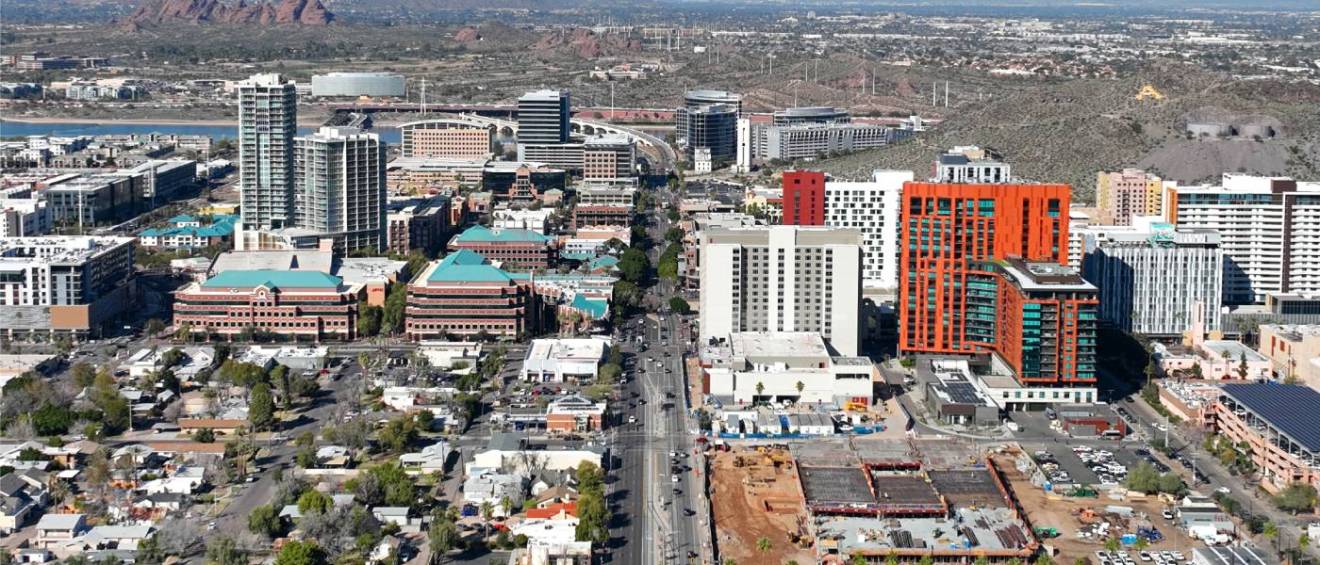
Tempe, AZ on a budget: The most affordable neighborhoods to call home
Tempe is the kind of city where college-town energy meets serious career infrastructure. It’s home to Arizona State University, one of the largest universities in…

Finding an apartment for a new job: How to nail your search on a tight deadline
Landing a new job in a different city is exciting, but it comes with an immediate challenge: where are you going to live? Finding an…
Subscribe to
The Ready Renter newsletter