Share this article:


If you’re apartment hunting in Buffalo, understanding the city’s public transit system can help you find a home that fits both your budget and your lifestyle. Whether you’re relocating for work, attending one of the area’s universities or just looking for a more affordable alternative to owning a car, Buffalo’s growing transit network makes car-free living a real possibility.
Here are the top Buffalo public transit options for a car-free renter lifestyle:
- Metro Rail (Light Rail)
- Metro Bus
- Express Bus Service
- Paratransit Access Line (PAL) and MetroLink
Buffalo is a compact, walkable city with a strong north-south corridor connecting the waterfront and downtown to university campuses and residential neighborhoods farther north. That layout makes public transit especially practical for renters who want to live close to work, school or entertainment without relying on a car.
Top Buffalo public transit options for renters
Metro Rail (Light Rail)
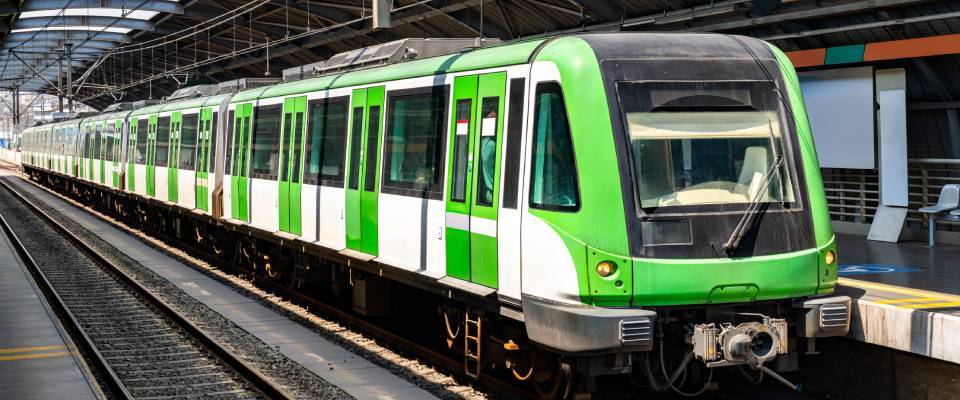
Buffalo’s Metro Rail is a 6.1-mile light rail line operated by the Niagara Frontier Transportation Authority (NFTA). It runs along Main Street from the DL&W Station on the waterfront, which opened in December 2025 as the first extension of the system since it launched in the 1980s. From there, it runs all the way north to University Station at the University at Buffalo South Campus. With 14 stations in total, Metro Rail is the backbone of Buffalo’s transit system and the quickest way to travel along the city’s central corridor.
Why renters rely on Metro Rail:
- Connects the waterfront, downtown, the Buffalo Niagara Medical Campus and the University at Buffalo along one convenient line.
- Runs through some of Buffalo’s most popular rental neighborhoods, including downtown, Allentown and the areas near Canalside.
- Provides direct access to major employers, hospitals such as Buffalo General and Golisano Children’s Hospital, entertainment at KeyBank Center and Sahlen Field and cultural attractions near the waterfront.
- The downtown surface section along Main Street operates as a free-fare zone for above-ground stations, making quick trips between downtown destinations easy and cost-free.
Renters who choose an apartment near a Metro Rail station, particularly along Main Street or close to Allen-Medical Campus, Fountain Plaza or University Station, can count on a fast, reliable commute without dealing with downtown parking.
Metro Bus
NFTA Metro Bus is the most far-reaching transit option in the Buffalo–Niagara region. With roughly 55 routes and more than 3,700 bus stops spread across Erie and Niagara counties, the bus network covers neighborhoods and suburban communities that Metro Rail doesn’t reach. For renters who live or work outside the Main Street corridor, Metro Bus is often the primary way to get around.
Metro Bus highlights for renters:
- Fares are affordable and straightforward. A single ride costs $2, and the MetGo fare-capping system ensures you never pay more than $5 per day, no matter how many trips you take. Weekly and monthly passes are also available at $25 and $75, respectively.
- Routes connect residential neighborhoods to grocery stores, shopping centers, parks, healthcare facilities and entertainment districts throughout the region.
- Many bus routes intersect with Metro Rail stations, so transferring between modes is simple and doesn’t require a separate fare when using MetGo.
- Buses serve areas like Elmwood Village, North Buffalo, the West Side, South Buffalo and communities in Cheektowaga, Tonawanda and Niagara Falls. That gives renters more flexibility in where they choose to live.
Renters in walkable, transit-friendly neighborhoods such as Elmwood Village and North Buffalo benefit from frequent bus service along corridors like Elmwood Avenue and Hertel Avenue, making daily errands and social outings easy without a car.
Express Bus Service
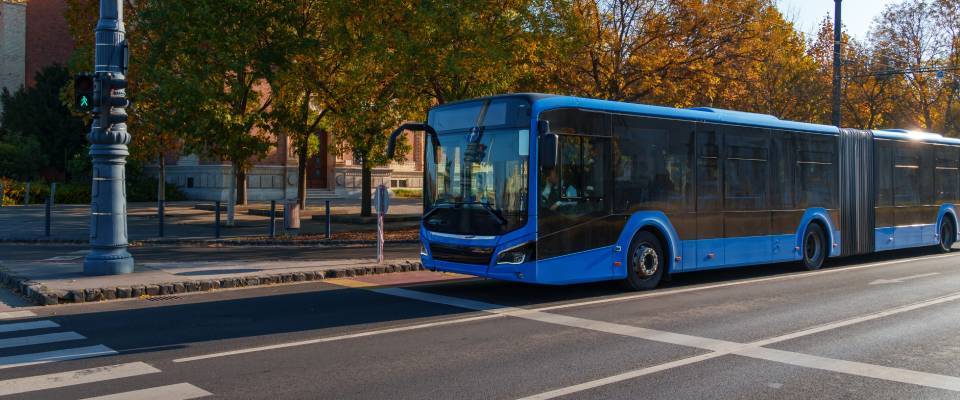
For renters who live in suburban or outer neighborhoods but commute to jobs in downtown Buffalo, NFTA’s express bus routes offer a faster, more direct alternative to local bus service. Express routes are designed to minimize stops and travel time, connecting residential areas to the downtown core during peak commuting hours.
Benefits of Express Bus service:
- Faster travel times compared with local routes, with limited stops between pickup zones and downtown destinations.
- Routes serve key suburban corridors in areas like Cheektowaga, Amherst, West Seneca and Tonawanda. These routes link those areas directly to the Metropolitan Transportation Center and downtown employment hubs.
- Ideal for working professionals who want the cost savings of renting in a suburban neighborhood without sacrificing a reasonable commute.
- Reliable during peak morning and evening hours, helping commuters avoid traffic and the cost of downtown parking, which can add up fast.
If you’re a renter who prefers a quieter neighborhood with more space but still needs to get downtown for work, living near an express bus stop can give you the best of both worlds: suburban comfort with an efficient city commute.
Paratransit Access Line (PAL) and MetroLink
NFTA also operates two supplemental services, PAL (Paratransit Access Line) and MetroLink, that fill gaps left by fixed bus and rail routes. PAL provides door-to-door shared-ride service for people with disabilities who are unable to use the regular bus or rail system. MetroLink operates smaller shuttle-style vans on routes that serve lower-density areas and connect riders to destinations that fall outside the reach of the main bus network.
What PAL and MetroLink offer renters:
- PAL provides flexible, reservation-based transportation within three-quarters of a mile of any fixed bus route, ensuring that renters with mobility challenges can still get where they need to go.
- MetroLink shuttle routes extend transit access to suburban communities, employment campuses and commercial areas not covered by regular bus service.
- Both services expand the range of neighborhoods where car-free or car-light living is realistic, even if a full bus route doesn’t run through the area.
- PAL and MetroLink help keep transportation equitable and accessible, supporting renters of all abilities throughout the metro area.
If you’re considering an apartment in a quieter part of Erie or Niagara County, these services can bridge the gap between your front door and the broader transit network, so living outside the urban core doesn’t mean giving up your independence.
Renting with Buffalo, NY, public transit in mind
Buffalo’s transit ecosystem works best when you think of it as a connected system rather than a collection of individual services. Metro Rail handles the city’s central north-south spine, Metro Bus fans out into dozens of neighborhoods and suburbs, express routes streamline the commute for suburban professionals and PAL and MetroLink make sure no one is left without a ride. Each mode serves a different type of renter, from students and healthcare workers to young professionals and families.
FAQ
A: Metro Rail and the major Metro Bus routes that run along corridors like Main Street, Elmwood Avenue and Bailey Avenue are the most dependable options for a consistent daily commute.
A: Downtown Buffalo, Allentown, Elmwood Village, the Medical Campus area, and North Buffalo all offer strong transit access thanks to their proximity to Metro Rail stations and high-frequency bus routes.
A: Yes, renters in walkable urban neighborhoods like Elmwood Village, Allentown and downtown can comfortably manage without a car, though those in more suburban areas may find a car helpful for occasional trips outside the bus network.
A: Metro Rail connects the University at Buffalo South Campus and the Buffalo Niagara Medical Campus directly to downtown, making it a strong option for both students and professionals in healthcare, education and business.
A: A single ride on Metro Bus or Metro Rail costs $2, and the MetGo contactless payment system caps daily spending at $5 so unlimited daily travel never exceeds the price of a day pass.
Share this article:


Adina Dragos
Adina Dragos is a real estate writer and research analyst with RentCafe. She has solid experience in real estate writing, covering topics ranging from best cities for renters and the top cities for rental activity to cost of living. Her work was featured in several prominent media channels such as Axios, The Dallas Morning News, ConnectCRE and The New York Times.
Sign up for The Ready Renter newsletter
Get our free apartment hunting guide — plus local insights, trends and research.




Related posts
Buffalo, NY, public transit guide for renters
If you’re apartment hunting in Buffalo, understanding the city’s public transit system can help you find a home that fits both your budget and your…
What’s the cost of Living in Buffalo, NY? Here’s what renters need to know
Moving to the Northeast? That can feel like a huge step for any renter. We get it. This is one of the pricier regions to…

How Much Gen Z Is Poised to Pay on Rent in New York Metros by Age 30
As Generation Z, or “Zoomers,” come of age in a world vastly different from their predecessors, their approach to housing and lifestyle choices is equally…
Subscribe to
The Ready Renter newsletter