Searching for apartments in Salt Lake City? Ask these questions first
Share this article:


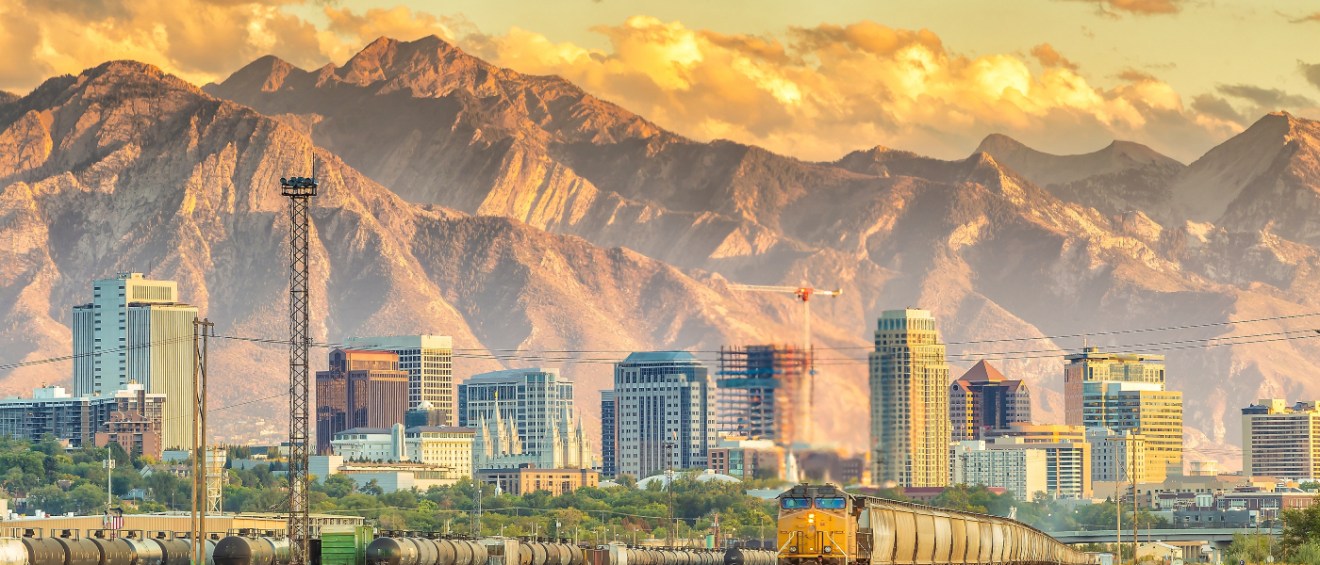
Salt Lake City sits in a wide valley with the Wasatch Range to the east and the Great Salt Lake just beyond the airport. It offers easy access to canyons, ski resorts and quiet residential streets, all while staying more affordable for renters than Denver, Boulder or most of the Front Range to the east.
The range of apartments in Salt Lake City reflects more than a century of growth. You’ll find brick walk-ups and converted Victorians in The Avenues, mid-century bungalows turned into duplexes around Sugar House and Liberty Wells, glass-and-steel towers downtown along Main Street and 200 South and garden-style communities out toward Glendale and the west side.
Finding the right place here means more than scrolling photos and comparing floor plans. The valley’s geography, climate swings and aging buildings create conditions that don’t show up in a listing description.
Here’s what you need to know about renting in Salt Lake City:
- Winter inversions can push valley air into some of the worst readings in the country.
- The Wasatch Fault makes older unreinforced masonry buildings a real seismic concern.
- Snow removal duties vary widely from property to property and city ordinances apply.
- TRAX, FrontRunner and the S-Line streetcar serve specific corridors well but leave noticeable gaps.
- Mineral-heavy water from Wasatch snowmelt builds up fast on fixtures and appliances.
Whether you’re moving here for a Silicon Slopes job, transferring to the University of Utah or just trading a bigger city for a smaller mountain one, these are the local-knowledge questions that separate a smart lease from one you’ll regret in January.
5 questions to ask when touring apartments in Salt Lake City
1. What kind of air filtration does the HVAC system use and how well does the unit seal during winter inversions?
The answer you want: The HVAC uses MERV 11 filters or higher, gets serviced before each heating season and the windows and doors seal tight enough that you can’t feel a draft. If the building is older, ask whether portable air purifiers are allowed and whether weatherstripping was added recently.
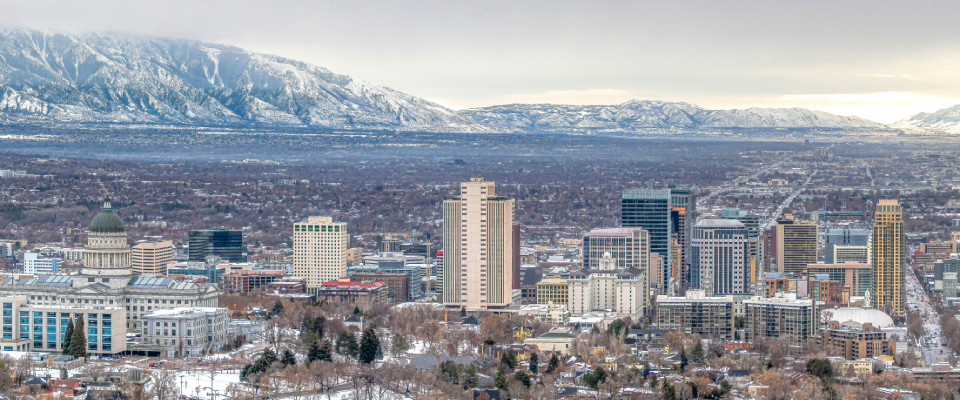
Why it matters: Salt Lake City’s valley geography can trap cold, polluted air under a warm cap for days at a time from December through February. Particulate readings can climb into unhealthy ranges for everyone, not just sensitive groups.
Many older apartments in Salt Lake City rely on basic mechanical filters that don’t catch fine winter particulates, which is a real problem if you have asthma, young kids or work from home.
2. Has the building been seismically retrofitted and when was the last structural assessment done?
The answer you want: Yes, the building has been retrofitted to current seismic standards, or it was built after 2002, when local code was tightened. If the answer is no or unclear, ask whether the water heater is strapped and whether tall fixtures come with wall anchors.
Why it matters: The Wasatch Fault runs along the east bench of the city, and the 2020 Magna quake measured a 5.7. Geologists have warned a much larger one is likely to occur within the next several decades.
Older brick walk-ups in The Avenues, Marmalade and parts of downtown were typically built before modern seismic codes, and unreinforced masonry is the most dangerous type during a shake. Renters living on upper floors or near brick chimneys carry the most risk.
3. Who clears the parking lot, walkways and sidewalks after a storm, and how fast does it happen?
The answer you want: Property management clears the lot, walkways and sidewalks within 24 hours of a snowfall, and you can use your tour to walk the property and confirm. Look at how paths are sloped, where snow piles end up and whether the lot drains away from the buildings.
Why it matters: Salt Lake City averages roughly 55 inches of snow a year and lake-effect storms can drop several inches in a single afternoon. City code requires sidewalks to be cleared within 24 hours, and tenants can be held liable if their landlord punts the job to them.
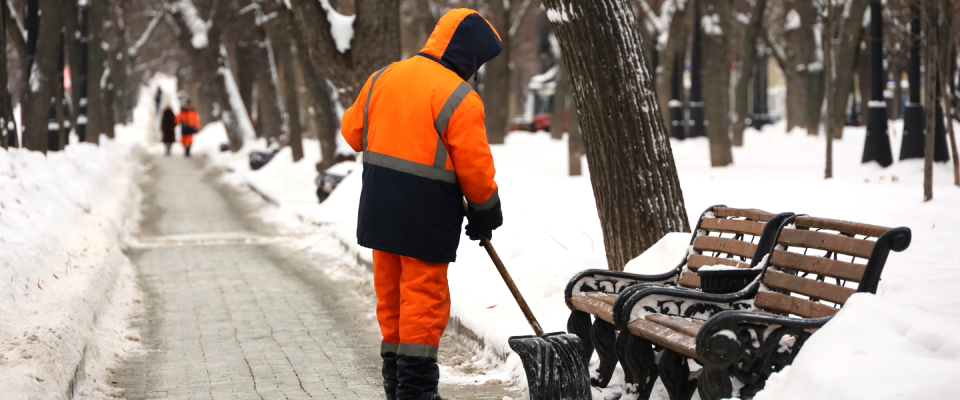
Cracked walkways, ice-stained concrete near doorways and salt damage on the lower brick of the building are all signs a property struggles with winter maintenance.
4. How close is the property to a TRAX station, FrontRunner stop or frequent UTA bus route?
The answer you want: The unit is within a 10-minute walk of a TRAX station, a FrontRunner stop or a UTA bus line that runs at least every 15 minutes during commute hours.
Expect the answer to swing wildly by neighborhood. For example, downtown and Sugar House have multiple options, the S-Line streetcar covers central Sugar House, while The Avenues and Capitol Hill rely on slower bus routes that thin out after dark.
Why it matters: Salt Lake City is still a car-dominant place, but the rail network is genuinely useful if you live near it. TRAX connects downtown to the airport, the University of Utah and the south end of the valley, while FrontRunner runs north to Ogden and south to Provo.
Renting more than a mile from any of these usually means you’ll have to rely on a car for your daily commute, and parking downtown adds up fast for tech workers, U of U students and anyone heading to Lehi for a Silicon Slopes job. That’s something you’ll have to consider when budgeting.
5. Does the unit have a water softener and how old is the water heater?
The answer you want: The building has a water softener serving the whole property or each unit, and the water heater was installed within the last seven to ten years.
Why it matters: In Salt Lake City, the water mostly comes from Wasatch snowmelt and underground aquifers, which are both naturally very high in calcium and magnesium. Hard water leaves chalky white deposits, shortens the lifespan of dishwashers and water heaters and can clog showerheads within months.
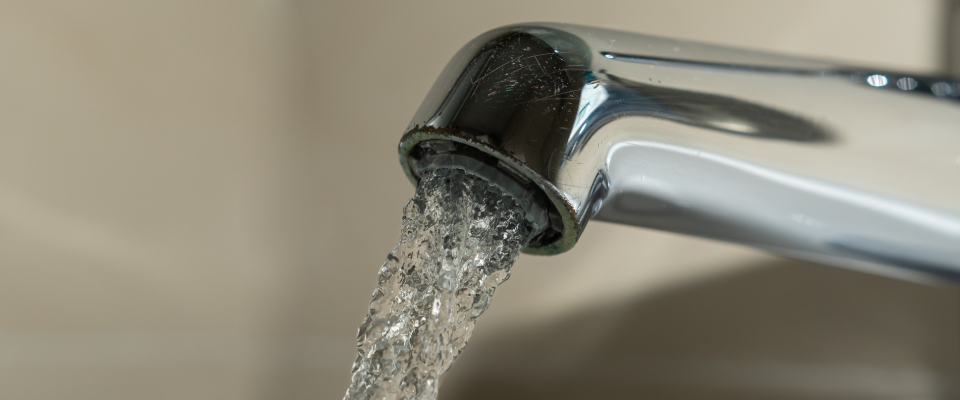
During your tour, run a finger across the faucet aerator and check the base of the showerhead. Heavy mineral crust means the property doesn’t soften its water and your appliances and clothing will pay the price.
Renting in Salt Lake City comes down to more than the floor plan and finishes. Air quality during inversions, seismic safety in older brick buildings and how a property handles snow are the everyday details that decide whether your first winter feels manageable. Asking about them can save you from learning the hard way in January.
Before signing anything, walk the block at the time of day you’re usually home, picture your commute on a snowy Tuesday morning and check whether your weekend trip up Big Cottonwood Canyon would take 20 minutes or an hour. Salt Lake City rewards renters who think like locals.
FAQ: Renting in Salt Lake City
Q: How do I find an apartment with good air quality during Salt Lake City inversions?
A: Look for buildings with newer HVAC systems, MERV 11 or higher filters and tight-sealing windows, since the valley traps polluted air for days at a stretch in winter. Ask the landlord whether portable air purifiers are allowed if the unit doesn’t already have strong filtration built in.
Q: Are apartments in Salt Lake City built to withstand earthquakes?
A: Buildings constructed after 2002 generally meet stronger seismic codes, but many older brick walk-ups in The Avenues, Marmalade and downtown have never been retrofitted. Ask the landlord directly when the last structural assessment happened and whether the water heater and gas lines are properly strapped.
Q: Who is responsible for snow removal at Salt Lake City rentals?
A: City ordinance requires sidewalks to be cleared within 24 hours of snowfall, but the responsibility, property manager versus tenant, depends entirely on your lease. Check the Salt Lake City Public Services snow removal page and read your lease carefully so you know who’s on the hook for a 5 a.m. shovel call.
Q: Which Salt Lake City neighborhoods have the best transit access?
A: Downtown, Sugar House and areas along the TRAX Red, Blue and Green lines have the strongest mix of rail and frequent bus service, while The Avenues, Capitol Hill and most of the west side rely on buses with longer headways. Confirm that the nearest stop actually runs at the hours you need to travel before signing.
Q: Why does the water feel so different in Salt Lake City rentals?
A: Most local water comes from Wasatch snowmelt and is naturally very high in calcium and magnesium, making it some of the hardest water in the country. During your tour, if the faucet aerator or showerhead has heavy white buildup, that means the property doesn’t soften its water. If that’s the case, your fixtures and appliances will wear out faster.
Share this article:


Florin Petrut
Florin Petrut is a real estate writer and research analyst with RentCafe, using his experience as a social media specialist and love for storytelling to create insightful reports and studies on the rental market. With a strong interest in the renter experience, he develops data-driven resources that explore cost of living, affordable neighborhoods, and housing trends, helping renters make informed decisions about where and how they live. Florin holds a B.A. in Journalism and an M.A. in Digital Media and Game Studies.
Sign up for The Ready Renter newsletter
Get our free apartment hunting guide — plus local insights, trends and research.




Related posts
San Jose vs. Salt Lake City cost of living comparison: What renters can expect to pay
San Jose, CA, and Salt Lake City draw renters for very different reasons. San Jose has long been a magnet for renters chasing Silicon Valley…
Searching for apartments in Salt Lake City? Ask these questions first
Salt Lake City sits in a wide valley with the Wasatch Range to the east and the Great Salt Lake just beyond the airport. It…
Public transit in Salt Lake City: Best options for renters
As one of the most public-transit-friendly cities in the Intermountain West, Salt Lake City makes it genuinely realistic to get around without a car. Renters…
Subscribe to
The Ready Renter newsletter