Renting like a local: 5 questions to ask before signing a lease in Boston
Share this article:


Boston is one of the most rewarding cities to call home. It’s walkable, full of history and packed with distinct neighborhoods that each have their own feel. Whether you’re a student heading to one of the area’s many colleges, a young professional starting a new job or a family looking for more space, renting in Boston can fit all kinds of lifestyles and budgets.
- Check how close the apartment is to the T or a reliable bus route.
- Ask who handles snow and ice removal on walkways and stairs.
- Look closely at windows and insulation.
- Find out the laundry setup and how many machines serve the building.
- Confirm that bathrooms and kitchens have working ventilation.
Apartment hunting in Boston comes with a few local quirks worth knowing. The city has a lot of older housing stock, tough winters and a public transit system that shapes daily life. Neighborhoods can change character block by block, so where you land matters. Doing a little homework before you rent an apartment in Boston helps you find a place that fits how you want to live.
The 5 questions that make renting in Boston easier
To help you feel confident before you sign, here are the essential questions to ask when touring an apartment in Boston.
1. How close is the apartment to the T, and what’s your real commute time?
The answer you want: The property is within walking distance of a T stop or reliable bus route, with realistic door-to-door commute times to your campus or job.
Why it matters: Boston traffic and parking are tough, so proximity to the T and key bus routes often matters more than distance on a map. A place that looks close to work can mean a long trip once you factor in transfers. Test the Green, Red, or Orange Line and the commuter rail during rush hour before you sign a lease.
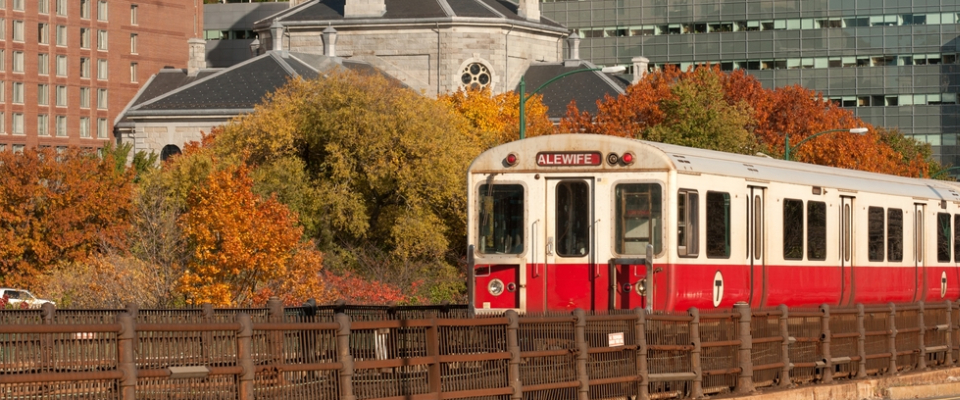
When you tour apartments for rent in Boston, map out your daily trip using real schedules, not just the walking distance a listing shows. Weekend and off-peak service can differ a lot from weekday rush hour, so check both if your schedule varies.
2. What’s the building’s snow removal plan, and who’s responsible?
The answer you want: Property management handles snow and ice promptly on all walkways, stairs and driveways as required by local ordinance.
Why it matters: Boston gets heavy snow and ice, so uncleared steps and sidewalks are dangerous and can lead to fines or injuries. This is especially true in walk-up buildings where a single icy staircase is the only way in. Knowing who clears what and when keeps you safe all winter.
Ask specifically about who shovels, how quickly it happens after a storm and whether tenants are expected to pitch in. Get the answer in writing if you can, so expectations are clear once the first snow falls.
3. How old are the windows and insulation?
The answer you want: Modern, weather-tight windows with good insulation, minimal drafts and little to no condensation.
Why it matters: Older apartments in Boston often have drafty windows and poor insulation, which leads to high heating bills and moisture. That trapped moisture and condensation can contribute to mold and peeling paint. Warm, efficient windows keep you comfortable and your utility costs manageable, which is important when renting in Boston.

During an apartment tour, feel around window frames for cold air and look for water stains or bubbling paint near the sills. Don’t be shy about asking what a typical winter heating bill runs, since that can seriously affect your monthly budget.
4. What’s the laundry situation?
The answer you want: In-unit or well-maintained in-building machines at a reasonable cost, serving a manageable number of units, with no frequent breakdowns.
Why it matters: Many rentals in Boston have coin-operated laundry in the basement or don’t offer it at all. The number of machines compared to units, plus the distance to the nearest laundromat, can shape your whole week. A shared setup that’s always in use or out of order can turn a simple but essential chore into a headache.
Ask how many machines there are and roughly how many units share them. If there’s no laundry on-site, scope out the closest laundromat and think about whether that trip fits your routine.
5. How is moisture handled in bathrooms and kitchens?
The answer you want: Fans work properly and windows can open if needed. There’s no history of mold or persistent condensation.
Why it matters: Closed-up winter apartments can trap moisture. Without good ventilation, condensation and mold become common problems in older buildings. Working fans and openable windows make a real difference. Good airflow protects both your health and your security deposit.
Turn on the bathroom fan during your tour to confirm it actually pulls air. Check under sinks and around tubs for signs of past leaks or mildew, which can hint at ongoing moisture issues.

Finding the right home takes a little patience, but the right questions make all the difference. Focus on transit access, winter readiness, building condition, laundry and ventilation and you’ll have a clear picture of what daily life will really feel like when living in Boston as a renter.
Ready to find your next home? Start exploring apartments in Boston today and take the first step toward a place you’ll love.
FAQ
A: Many leases turn over around September 1, which drives a huge share of moves near the college calendar. Searching a few months ahead or looking during off-season in late fall or winter, can give you more choices and less competition.
A: Property managers typically ask for proof of income, a credit check, references and a photo ID. Having these ready speeds things up in a fast-moving market where good places go quickly.
A: Parking is limited and often costs extra or isn’t included at all. If you have a car, confirm parking details early and ask about resident street-parking permits for your neighborhood.
A: It varies widely, so always ask which utilities are covered. Heat and hot water are sometimes included, while electricity and internet usually aren’t.
A: Ask who maintains common areas like hallways, entryways and any shared yard or roof deck, and how often they’re cleaned.
Share this article:


Veronica Grecu
Veronica Grecu is a senior creative writer and research analyst for RentCafe. With more than 14 years of experience in the real estate industry, she covers a variety of topics in the apartment market, including rental competitiveness, new construction and other industry trends. Her work has been featured in top publications like The New York Times, The Washington Post, The Wall Street Journal, The Philadelphia Inquirer, The Miami Herald, CNN, CNBC, and more. Prior to RentCafe, Veronica was involved in producing real estate content for Multi-Housing News, Commercial Property Executive and Yardi Matrix. She holds a B.A. in Applied Modern Languages and an M.A. in Advertising and PR.
Sign up for The Ready Renter newsletter
Get our free apartment hunting guide — plus local insights, trends and research.




Related posts

These are the best affordable neighborhoods to rent in San Francisco
San Francisco might be one of the most iconic cities in the country, but its rents are just as famous as its fog. The average…
Getting around in Boca Raton, FL: A renter’s guide to public transit
If you’re searching for apartments in Boca Raton, FL, how you’ll get around matters just as much as the floor plan. South Florida has a…

A renter’s guide to public transit in Fort Lauderdale, FL
Fort Lauderdale, FL, is known for its beaches, canals and year-round sunshine, but it also offers renters a surprisingly varied mix of ways to get…
Subscribe to
The Ready Renter newsletter