Share this article:


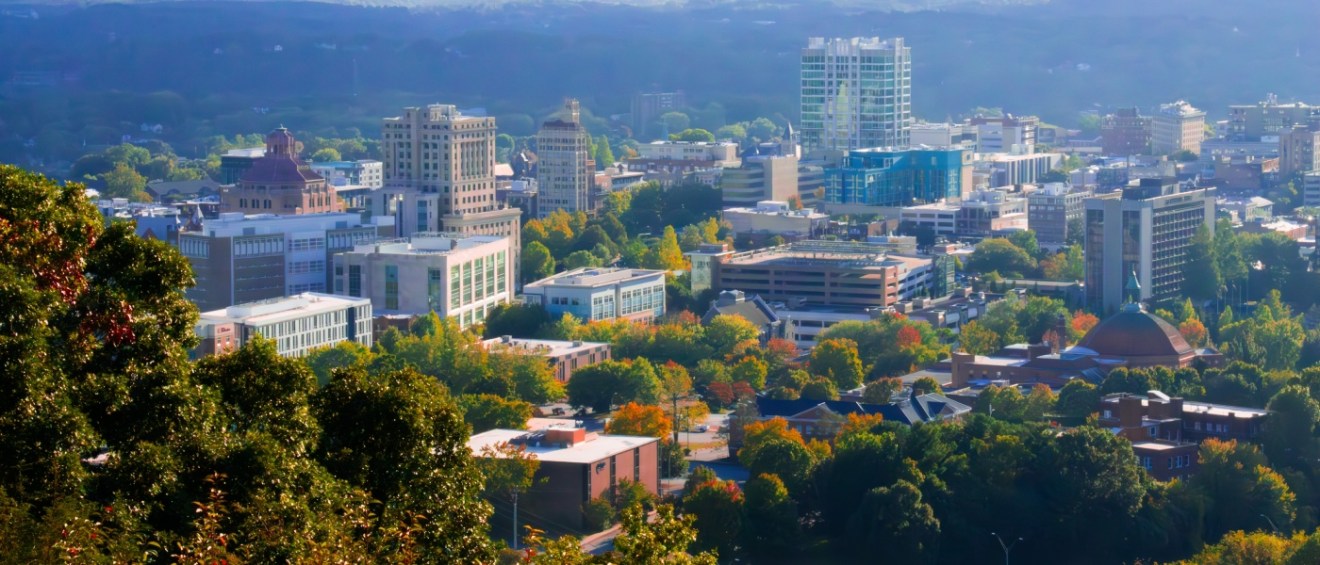
Asheville has earned its reputation for good reason. The food scene punches well above its weight, the Blue Ridge Mountains are a short drive away and the city’s arts and culture identity is genuine, not just a tourism pitch.
But Asheville’s rental market operates under a set of conditions you won’t find in most other mid-sized cities. Hurricane Helene hit western North Carolina in September 2024, leaving lasting marks on the city’s infrastructure, housing stock and water system. These are issues renters are still navigating nearly two years later.
On top of that, the city’s mountainous geography limits where new housing can be built and the older buildings that make up much of the rental inventory come with quirks that affect your comfort and your wallet.
None of that means Asheville isn’t worth it. It just means knowing what to ask before you sign a lease can save you real headaches down the line. This article covers five questions to bring to a landlord or property manager, along with what a good answer sounds like and why each one matters.
Here's what the questions will help you evaluate:
- Whether the property or its neighborhood was affected by Hurricane Helene
- How well the building handles Asheville's mountain winters
- If the property sits in a flood zone with updated risk information
- How tourist season and short-term rentals shape your neighborhood
- What the parking and commute situation looks like from this specific location
Use these questions to get past the mountain views and find a rental that holds up year-round.
1. Was this property affected by Hurricane Helene, and what’s the current condition of the building and water service in this area?
The answer you’re looking for: A landlord should be able to tell you clearly whether the building sustained any damage during Hurricane Helene, like water intrusion, structural issues, mold or foundation problems. They should also tell you what repairs have been completed.
Ask if inspections were done after the storm and what documentation is available. You also want to know the current status of water service at the property.
Why it matters: Hurricane Helene caused catastrophic flooding and infrastructure damage across western North Carolina in September 2024. In Buncombe County alone, over 560 structures were destroyed and more than 900 sustained major damage.
Asheville’s water treatment system was inoperable for 53 days. The city is still in the process of rebuilding and upgrading its water infrastructure, with key projects expected to continue through 2026 and beyond.
2. How does this apartment handle heating in winter, and what do utility bills look like from November through March?
The answer you’re looking for: Ask what type of heating system the apartment uses — forced air, baseboard electric, heat pump, or a wall unit — and how old it is. You want to know whether the building has adequate insulation, double-pane windows and weatherproofing, or whether it’s an older structure where drafts and heat loss are an issue.
A helpful property manager will give you a realistic range for what previous residents have paid for electricity or gas during the winter months, when Asheville’s mountain elevation means temperatures regularly drop below freezing.

Why it matters: Asheville sits at roughly 2,100 feet in elevation, and winters are colder than many people moving from lower-elevation southern cities expect. A large share of the rental stock dates back to the 1940s through 1960s. These older buildings with original windows and minimal insulation can add $60 to $100 per month to your heating bill compared to a newer or better-sealed unit. Baseboard electric heat, common in older apartments, is one of the most expensive ways to stay warm.
3. Is this property in a flood zone, and has the flood risk for this area been reassessed since Hurricane Helene?
The answer you’re looking for: Ask the landlord whether the property is in a FEMA-designated flood zone and whether the building or neighborhood experienced flooding during Hurricane Helene or previous storms. You want to know whether FEMA flood maps for the area have been updated since the hurricane, since federal agencies are expected to revise western North Carolina flood maps based on Helene’s impact.
A good answer includes specifics about the property’s elevation relative to nearby waterways, particularly the French Broad and Swannanoa Rivers, and whether the landlord carries flood insurance on the building.
Why it matters: Before Hurricane Helene, less than 1% of households in disaster-declared North Carolina counties held FEMA flood insurance. This number reflected outdated flood maps and a widespread assumption that inland mountain communities weren’t at serious risk. Helene changed that calculus entirely. River levels in the French Broad basin exceeded previous records by several feet, and neighborhoods that had never flooded before saw significant water damage. F
4. Has this property been used as a short-term vacation rental, and how does tourism affect this neighborhood?
The answer you’re looking for: Ask whether the apartment or building was previously listed as a short-term rental on platforms like Airbnb or VRBO before being converted to a long-term lease. You also want to know how the surrounding neighborhood is affected by tourism, like if nearby properties operate as vacation rentals, whether parking and noise increase during peak tourist months (typically summer and October leaf season) and if the area feels residential year-round or shifts character with the seasons.

Why it matters: Buncombe County has over 3,000 active short-term rental listings, and the tension between vacation rentals and long-term housing has been a defining issue in Asheville for years. While the city itself restricts whole-home short-term rentals in most zones, the surrounding county has fewer restrictions. Some properties move back and forth between the short-term and long-term markets depending on conditions.
5. What’s the parking situation here, and how does the mountain geography affect my commute and daily driving?
The answer you’re looking for: Ask whether the apartment includes a dedicated parking space, a driveway, lot space or garage, or if you’re relying on street parking. In Asheville’s hillier neighborhoods, street parking can be limited, steep or difficult to navigate in winter weather.
Beyond parking, ask about the drive to wherever you’ll be commuting. Asheville’s road network follows the mountain terrain, and a destination that looks close on a map may involve winding routes, elevation changes and travel times that don’t match the distance. A helpful landlord will be upfront about what the drive to downtown, the highway or nearby towns looks like during morning and evening traffic.
Why it matters: Asheville’s geography shapes daily life more than most renters expect. The city spreads across hills and valleys connected by a road network that was built around the terrain, not through it. Public transit options are limited, and most residents drive daily.
During peak tourist season and on weekends, downtown parking becomes significantly more competitive, and popular corridors like Merrimon Avenue, Tunnel Road and the I-240/I-26 interchange see regular congestion. In winter, icy roads on steeper routes can make certain neighborhoods harder to access.
Asheville is a city that earns its following. The mountains, the culture, the food and the sense of community are real draws. But renting here comes with a set of local realities that go well beyond what a listing page shows you.
The questions above address the things that shape daily life in western North Carolina right now, from Hurricane Helene’s lasting effects on infrastructure and flood risk, to the practical challenges of older housing stock, tourism-driven neighborhoods and mountain driving. Asking them before you sign puts you in a better position to enjoy everything that drew you to Asheville in the first place.
Share this article:


Adina Dragos
Adina Dragos is a real estate writer and research analyst with RentCafe. She has solid experience in real estate writing, covering topics ranging from best cities for renters and the top cities for rental activity to cost of living. Her work was featured in several prominent media channels such as Axios, The Dallas Morning News, ConnectCRE and The New York Times.
Sign up for The Ready Renter newsletter
Get our free apartment hunting guide — plus local insights, trends and research.




Related posts
5 questions to ask before renting an apartment in Asheville, NC
Asheville has earned its reputation for good reason. The food scene punches well above its weight, the Blue Ridge Mountains are a short drive away…
Subscribe to
The Ready Renter newsletter