5 essential questions to ask before renting an apartment in Fort Worth, TX
Share this article:


Key takeaways for renters:
- Map your commute before you tour an apartment you like.
- Ask how the air conditioning holds up in peak hot summer months.
- Learn the property’s severe weather plan.
- Look at parking with spring hail in mind.
- Check the address for flood risk, even outside the official floodplain map.
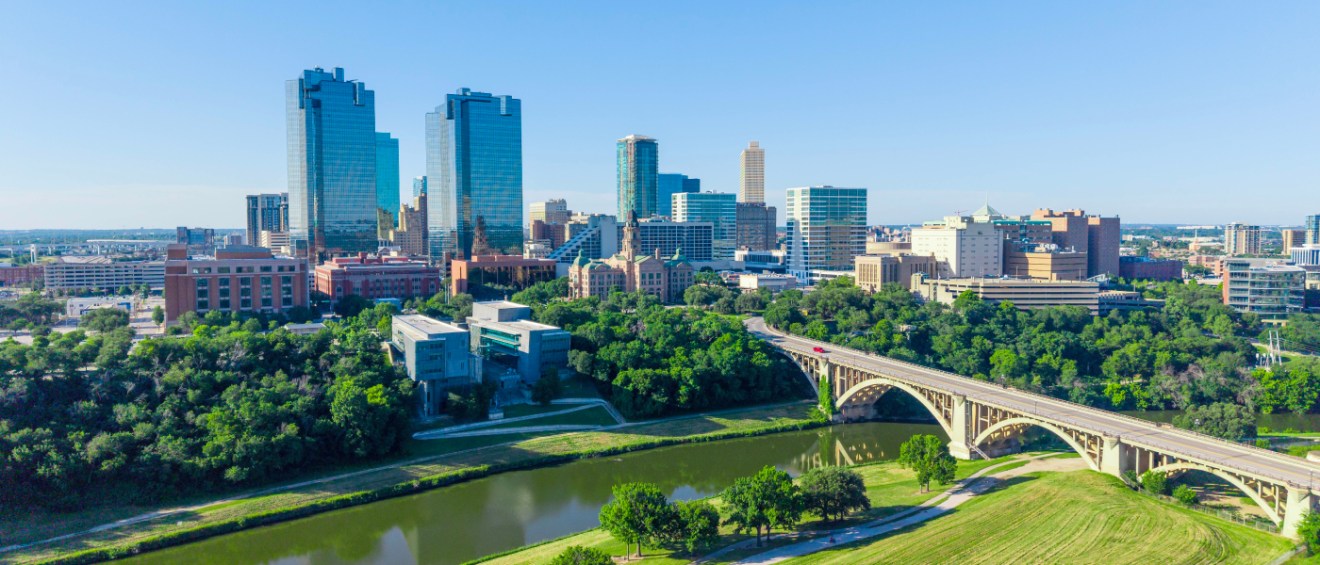
Fort Worth, TX, pairs a growing job market and a respected museum district with Western heritage and an easygoing pace, which makes it an appealing choice for renters. But before signing a lease, it’s worth considering a few factors specific to living here. From public transit and air conditioning to severe weather, parking and flood risk, these five essential questions can help you find an apartment that fits your needs.
The city is growing fast, and renters have plenty of housing options to explore. Options range from smaller buildings in historic neighborhoods like Fairmount to downtown high-rises and newer communities near Alliance in far north Fort Worth. With the city spread across such a large area, choosing the right location can make a big difference in your commute and daily living.
5 questions to ask before renting an apartment in Fort Worth
To help you make the best choice, here are five essential questions to ask when touring apartments in Fort Worth and what you should know before committing to a lease.
1. How close is the apartment to Trinity Metro?
The answer you want: A bus stop, rail station or on-demand service area is close by.
Why it matters: Fort Worth is a sprawling city, and getting around often means relying on a car. However, Trinity Metro offers several public transit options, including local buses, on-demand rides and TEXRail, which connects downtown Fort Worth to DFW Airport.
The Trinity Railway Express (TRE) also provides rail service between Fort Worth and Dallas. If you commute to Dallas, travel frequently or want to drive less, renting near a transit stop or station can make your daily routine much easier.
2. How well does the AC hold up through a Fort Worth summer?
The answer you want: Central air that gets regular service, cools every room evenly and has a fast repair process when something breaks during the hottest weeks of summer.
Why it matters: Triple-digit days are a normal part of a Fort Worth summer, so dependable cooling matters for comfort and health. Under Fort Worth’s building standards code, air conditioning that comes with an apartment must be kept in good condition and able to cool indoor air at least 15 degrees below the outdoor temperature. Despite this, response times still vary by property.
If you can, run the AC during your tour and feel the airflow in each room, including bedrooms at the end of a hallway. Look for clean vents and ask how recently the filter has been changed. Then, ask how often filters get replaced, how to flag an urgent repair and how fast the team responds in a heat wave.
3. What’s the plan for severe weather?
The answer you want: Property management shares a clear severe weather plan, points residents to safe interior spaces and sends updates when storms move toward the area.
Why it matters: Spring storms in North Texas can bring hailstorms, damaging winds and tornadoes. The City of Fort Worth notes that its outdoor warning sirens are designed for people outside and may not be heard indoors, so you need other ways to get alerts. Knowing your shelter spot ahead of time helps you act quickly and calmly.
Ask where residents should go during a tornado warning and how management shares weather alerts. On your tour, look for an interior bathroom or closet away from windows. If you’re on an upper floor, plan a route to a lower one. After you move in, sign up for the City of Fort Worth’s emergency alerts.
4. What parking comes with the apartment?
The answer you want: An assigned covered spot or garage, enough guest parking and clear written rules about towing, permits and where extra vehicles can park.
Why it matters: In Fort Worth, parking affects more than convenience. Weather plays a big role. One spring hailstorm can dent cars and crack windshields in an open lot. Covered spots and garages add protection, and shade keeps your car cooler on long summer afternoons. Covered spaces can fill up, so ask about availability early.
| Parking setup | What it means day to day | What to ask |
|---|---|---|
| Garage | Full protection from hail and sun, plus room for storage | Is there space for storage, and does the door have a remote? |
| Covered parking or carport | Shade and hail protection with quick access to your door | Are spots assigned or first come, first served? |
| Open surface lot | Easy access but no protection from hail or heat | Is there overflow parking on busy weekends? |
Visit in the evening to see how full the lot gets, then walk from the parking area to the apartment you’re considering. Ask the property manager whether a covered spot or garage is available with your floor plan, how guest parking works and where the lease explains towing rules.
5. Does the area around the apartment flood?
The answer you want: The building, parking lot and nearby streets have no history of flooding, and property management can explain how the site drains during heavy rain.
Why it matters: Heavy rain can arrive fast in North Texas. According to Fort Worth’s stormwater management program, most reported flooding in the city happens outside federally mapped floodplains, often where drainage systems can’t keep up. A clean flood map doesn’t tell the full story. Most standard renters insurance policies also exclude flood damage, so separate coverage is worth a look.
Ask whether water has ever entered apartments, hallways or the parking lot. Look for stains near doors and along ground-floor walls. If you can, drive nearby streets after a storm and note any low-water crossings on your route. You can also check the City of Fort Worth’s flood information for the area.
Finding your next apartment in Fort Worth
Renting in Fort Worth gives you plenty of choices, from historic streets near downtown to newer communities on the city’s edges. A little homework on your tour helps you choose a place that feels comfortable in every season. When you’re ready, explore apartments for rent in Fort Worth on RentCafe and start your search for a home that fits your lifestyle.
FAQ
A: Yes, in short bursts. Ask how property management protects pipes during a hard freeze and how it shares updates with residents.
A: Send the request in writing and keep a copy, since Texas law requires written repair requests.
A: Many communities welcome pets, though policies vary by property. Ask about breed and weight limits, pet fees and amenities like dog parks or pet wash stations. Get the pet policy in writing before you sign.
A: It depends on your priorities. Neighborhoods near Southside offer walkable streets and local shops along Magnolia Avenue, the West 7th area is near the Cultural District and far north Fort Worth near Alliance has many newer communities. Texas Christian University anchors the southwest side.
A: Texas law gives property owners 30 days to return your deposit, minus any deductions for damages.
Share this article:


Veronica Grecu
Veronica Grecu is a senior creative writer and research analyst for RentCafe. With more than 15 years of experience in the real estate industry, she covers a variety of topics in the apartment market, including rental competitiveness, new construction and other industry trends. Her work has been featured in top publications like The New York Times, The Washington Post, The Wall Street Journal, The Philadelphia Inquirer, The Miami Herald, CNN, CNBC, and more. Prior to RentCafe, Veronica was involved in producing real estate content for Multi-Housing News, Commercial Property Executive and Yardi Matrix. She holds a B.A. in Applied Modern Languages and an M.A. in Advertising and PR.
Sign up for The Ready Renter newsletter
Get our free apartment hunting guide — plus local insights, trends and research.




Related posts
5 essential questions to ask before renting an apartment in Fort Worth, TX
Fort Worth, TX, pairs a growing job market and a respected museum district with Western heritage and an easygoing pace, which makes it an appealing…

5 questions to ask before renting in Columbus, OH
Before renting an apartment in Columbus, Ohio, ask these essential questions: how utilities are billed, whether the address qualifies for residential parking permits, how long…
5 affordable neighborhoods in Aurora, CO, where your budget goes further
If you’re looking for apartments in affordable neighborhoods in Aurora, CO, start with Expo Park, Sable Altura Chambers, Stone Ridge Park, Highland Park and Centretech….
Subscribe to
The Ready Renter newsletter