
Share this article:


Searching for a new apartment in the winter can actually work to your advantage. Fewer renters schedule move-related tasks during the colder months, which often means less competition, more flexible showing times, and in some markets, better negotiating room.
But a winter apartment tour also brings unique safety considerations — from icy walkways to limited daylight and the need to make sure a unit can truly keep you warm. Understanding these factors helps you tour smart, avoid accidents, and spot red flags before signing a lease.
This winter apartment tour safety checklist breaks down everything renters should look for before arriving, when approaching the property, and while evaluating the unit itself.
Here’s what you need to remember for a successful and safe winter apartment tour, especially if you’re by yourself:
- Let someone know where you’ll be
- Scan the exterior when you arrive
- Bring a friend, if possible
- Test the heating system and detectors
- Check the locking systems
Apartment tour prep: What should you do before you leave home?
Winter weather can change fast, so a little preparation goes a long way towards staying safe. Start by checking the latest weather and road conditions rather than assuming your route will be clear. Ice, snow, and low visibility can turn even a short trip into a risk, and it’s best to avoid touring altogether during active storms or extreme cold spells.

Let someone know exactly where you plan to be. Share who you’re meeting, the tour time, and your expected return window. Many renters also share their phone location for an added layer of personal safety. Before you step out, fully charge your phone, keep it accessible in a front pocket or your hand, and choose shoes or boots with good traction for snowy or icy surfaces.
These steps may feel simple, but they set the tone for a safer, more confident apartment tour in winter conditions.
Apartment tour arrival: What safety issues should you look for outside?
When you pull up to the property, don’t rush inside just to warm up. The exterior tells you a lot about landlord or management attentiveness — especially in winter.
Start by scanning sidewalks, steps, and parking areas. If snow and ice haven’t been properly removed or treated with salt, that’s more than an inconvenience. It’s a slip-and-fall hazard and a potential sign that winter maintenance may be inconsistent. You’ll also want to pay attention to outdoor stairs and ramps. The building should have sturdy handrails to help reduce falling risks.

Lighting also matters. Winter days are short, and many apartment tours happen around dusk. Entry areas, walkways, and parking lots should be well-lit and clearly visible, not shadowed or isolated. A bright, secure exterior helps you feel safer during evening arrivals and gives you a better sense of ongoing building security after you move in.
Finally, check how the building handles entry. Note whether doors lock automatically, whether there’s a buzzer system, and how visible the front entrance is from the street or sidewalk. A secure entry can make a major difference in your long-term comfort.
Apartment tour etiquette: How do you stay personally safe during the showing?
Winter adds complications, but personal safety principles stay the same. When possible, bring a friend or partner along, especially when meeting an independent landlord rather than an established property manager. Touring with someone else not only feels safer but also gives you a second set of observations.

Keep your phone and keys in your hand, stay aware of the exits, and trust your instincts. If the interaction or environment feels uncomfortable or unusually “too good to be true,” it’s okay to end the tour. Personal safety always comes first.
Avoid touring basements, isolated storage areas, or other closed-off spaces alone with someone you’ve just met. If the apartment tour includes these areas, make sure others know in advance and, ideally, have someone with you.
Apartment tour in common areas: What winter safety features should you check?
Once inside the building, take a deliberate walk-through of hallways, stairwells, laundry rooms, and lobbies. Winter often brings wet floors, so look for non-slip mats at entrances where snow and ice may be tracked in. Lighting should be bright and consistent, not flickering, dim, or absent.
Inspect stairwells to ensure stair treads are even and handrails feel secure. Wet, uneven, or poorly lit steps present real hazards in colder months. Also check for visible emergency information: clear exit signs, posted evacuation routes, and accessible fire extinguishers. These are good indicators of a responsibly managed building.
If you can, ask about the crawl space in the building and whether these is crawl space encapsulation to prevent moisture from building up in the narrow space designated for utilities.
Apartment tour inside the unit: What winter-specific issues should you look for?
Cold weather puts apartments to the test. During a winter apartment tour, go beyond the basics and evaluate how well the unit holds heat and blocks drafts.
Start with windows and exterior doors. They should close tightly and latch securely without gaps, noticeable drafts, or visible moisture. Be on the lookout for signs of condensation, mold, or warped frames, which may point to poor insulation or long-term moisture issues.
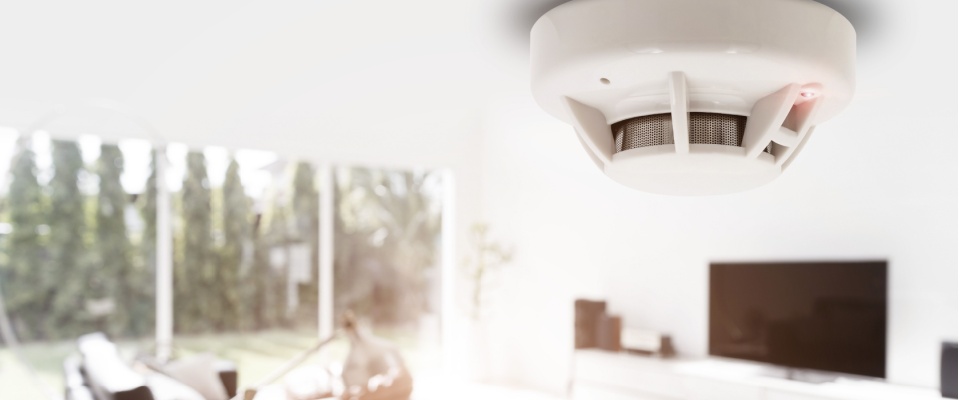
Next, check for working smoke and carbon monoxide detectors. Winter is the peak season for heating-related safety concerns, and detectors should be installed outside sleeping areas or on each floor.
Don’t hesitate to test the heating system. Turn the thermostat up briefly to confirm that the furnace, radiators, or vents respond properly. Ask what type of heating the building uses and who pays for utilities — a key detail if the unit runs on electric heat, which can be costly in cold climates.
Evaluating these elements during your winter apartment tour can prevent surprises when temperatures drop.
Apartment tour inside the unit: What general safety checks should you make?
Beyond winter-specific features, every renter should examine general safety conditions: Doors should have solid locking systems, ideally both a deadbolt and a secondary latch. Ground-floor units or apartments with balconies need window locks that fully secure.
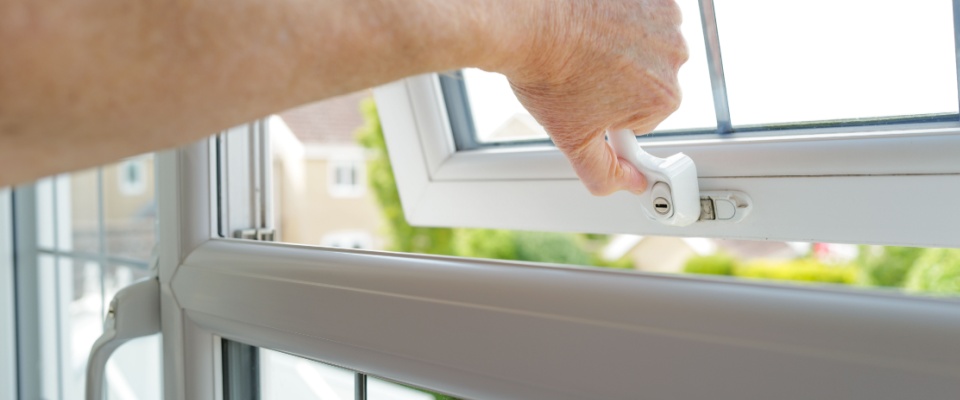
Look for signs of leaks, water stains, or mold around sinks, ceilings, and windows. Moisture problems often worsen in winter when humidity gets trapped inside. If anything looks suspicious, ask for clarification.
Finally, ask about maintenance response times, especially regarding heating repairs, leaks, and power outages. Winter emergencies require quick attention, and it’s important to know who to contact and how after you move in.
Touring an apartment in winter lets you see how a property performs during its toughest season. You’ll learn how well the building is maintained in bad weather, whether lighting and entry systems feel safe, and how effectively the unit holds heat.
With a clear winter apartment tour safety checklist in hand, you can protect yourself, spot red flags early, and confidently choose a home that keeps you safe and warm.
FAQs: Winter apartment tour safety
Q: Is it safe to schedule an apartment tour in winter?
A: Yes, just avoid active storms, extreme cold, and poorly maintained walkways. Planning ahead and monitoring weather conditions can make your tour safe and manageable.
Q: What should I wear to a winter apartment tour?
A: Choose warm layers, gloves, and shoes or boots with good traction to prevent slips on snow or ice.
Q: Should I test the heating during a tour?
A: Absolutely. Turn up the thermostat briefly to ensure the system works and ask about heating type and utility costs.
Q: What exterior red flags should I look for?
A: Uncleared walkways, icy stairs without handrails, dim lighting, and poorly secured entrances.
Q: Can I bring someone with me to an apartment tour?
A: Yes, and it’s often recommended — especially in winter when daylight is limited, and conditions are unpredictable.
Share this article:


Alexandra Both
Alexandra Both is a senior real estate writer and research analyst with RentCafe. She brings over 10 years of real estate writing experience, having served as a senior editor at Commercial Property Executive and Multi-Housing News. A seasoned journalist, Alexandra has worked across print, online, and broadcast media. Her work has been featured in a variety of prominent outlets, including The New York Times, The Guardian, USA Today, and Architectural Digest. She holds a B.A. in Journalism and an M.A. in Community Development.
Sign up for The Ready Renter newsletter
Get our free apartment hunting guide — plus renting tips, trends and research




Related posts

RentCafe Internet connects you to high-speed WiFi and entertainment services in one place
RentCafe partners with leading internet providers to bring reliable internet, streaming and mobile options directly to renters. Applicants and residents can browse and activate available…
How to break a lease without wrecking your finances or your record
Life changes fast. A new job across the country, a growing family, or an unexpected health situation can all make your current apartment feel like…

From dorm to lease: A step-by-step guide to the first apartment rental process
The first apartment rental process is your transition from shared dorm living to renting a place that’s fully yours. It involves setting a realistic budget,…
Subscribe to
The Ready Renter newsletter