
Share this article:


Moving into a rental apartment rarely tops anyone’s list of favorite activities. Packing up your belongings, coordinating logistics, and settling into a new place can feel overwhelming — especially if it’s your first time moving on your own. With the right approach, though, moving doesn’t have to be chaotic.
These tips for moving focus on staying organized and making the transition into your new home as smooth as possible.
Why is planning the most important moving advice?
A smooth move usually starts well before moving day arrives. Planning ahead helps you avoid rushed decisions, missed details, and unnecessary stress, especially when multiple deadlines start to overlap.
Creating a simple, organized plan gives you a clear sense of what needs attention at each stage of the move. A checklist can be especially helpful when juggling work, school, or other responsibilities at the same time.
It’s useful to outline:
- Tasks to complete before moving day. This can include packing, confirming logistics, and handling paperwork or utilities.
- What needs to happen during the move. Knowing who’s responsible for loading, transporting, and unloading helps the day run more smoothly.
- What to take care of after you arrive. Planning for unpacking, setting up essentials, and addressing any immediate issues makes the transition easier.
If you’re hiring movers, renting a truck, or handling everything on your own, having a clear plan in place keeps the process manageable.

How should you handle utilities and subscriptions before moving?
Utilities are easy to overlook during a move, especially when packing and logistics take up most of your attention. Leaving these tasks until the last minute can lead to unexpected charges or delays once you arrive at your new place.
Taking care of utility-related details ahead of time helps ensure a smoother transition and lets you focus on settling in rather than troubleshooting basic services.
Before you move, make sure to:
- Schedule end dates for utilities at your old place. This way, you’ll avoid paying for services after you’ve moved out and ensure final bills are calculated correctly.
- Set up service start dates for your new home. Arrange for utilities to begin on or just before move-in day so essentials like electricity, water, and internet are ready when you arrive.
- Update or cancel subscriptions tied to your address. This includes deliveries, memberships, and any services that rely on your mailing address. (Tip: for USPS, fill out PS Form 357)
Handling these steps early reduces stress on moving day and allows you to settle into your new home more comfortably from the start.
When should you start packing?
Packing always takes longer than expected, so starting early makes a big difference.
Begin by packing items you won’t need right away, such as:
- Seasonal clothing and shoes.
- Decorative items and wall art.
- Extra bedding and linens.
- Kitchenware you rarely use.
As you pack, take the opportunity to donate or discard items you no longer use. Fewer belongings mean less to move and unpack.
How can you stay organized while packing?
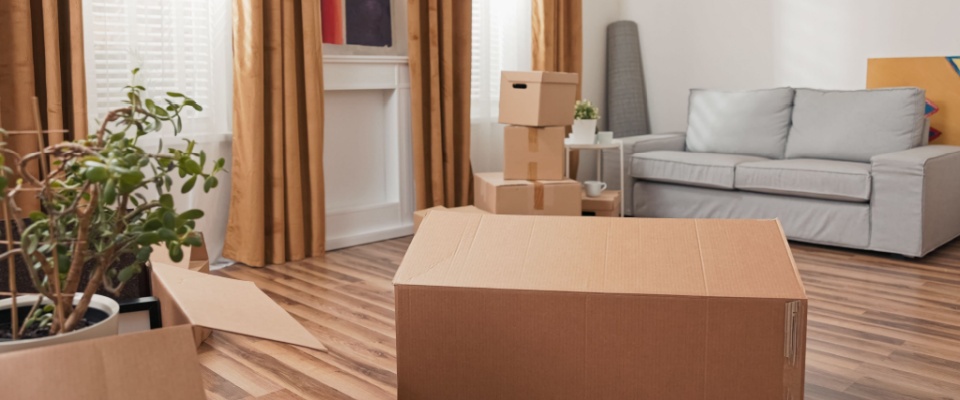
Staying organized during a move can make the difference between a smooth unpacking process and days of unnecessary frustration. Many people underestimate how quickly boxes pile up and how hard it can be to find specific items once everything is sealed and stacked.
Building simple organization habits while packing helps you stay in control and makes your new place feel functional faster.
Helpful strategies include:
- Grouping items by room. Pack items according to where they’ll go in your new home rather than by category alone. This keeps related items together and makes it easier to unpack one space at a time.
- Labeling boxes clearly on multiple sides. Labels should be visible no matter how the boxes are stacked. Including both the room name and a short description of the contents can save time later.
- Using color coding or simple symbols to indicate where boxes belong. Color stickers or symbols make it easy to spot which boxes go where at a glance.
Clear labeling and consistent organization reduce the need to open every box just to find one item. Instead, you can focus on unpacking strategically and settling into your new home with less stress.
What’s the best way to pack electronics and cables?
Electronics can be one of the most frustrating parts of moving, especially when it’s time to reconnect everything in your new place.
Taking a few photos of cable setups before unplugging devices can make reassembly much easier later. It also helps to keep cords grouped with their corresponding electronics and separate them using small bags or ties.
How can you make unpacking easier?
Unpacking feels less overwhelming when you prioritize essentials.
After moving in, here are some ways to optimize your time:
- Unpack one room at a time.
- Start with items you need immediately.
- Save decorative or non-essential boxes for later.
Final thoughts
Moving doesn’t have to be stressful if you approach it with intention. By following these tips for moving, you can transition into your new home with more ease and less frustration.
A thoughtful move sets the tone for a smoother start in your new space.
Share this article:


Florin Petrut
Florin Petrut is a real estate writer and research analyst with RentCafe, using his experience as a social media specialist and love for storytelling to create insightful reports and studies on the rental market. With a strong interest in the renter experience, he develops data-driven resources that explore cost of living, affordable neighborhoods, and housing trends, helping renters make informed decisions about where and how they live. Florin holds a B.A. in Journalism and an M.A. in Digital Media and Game Studies.
Sign up for The Ready Renter newsletter
Get our free apartment hunting guide — plus moving tips, trends and research.




Related posts

How far in advance should you book a moving company for peak-season moves?
If you’re planning a move during peak season (May through September), you should book a moving company at least four to eight weeks in advance…
Moving during winter: Tips to keep your cold-weather move safe and smooth
Moving to a new rental apartment in winter? You’re facing some unique challenges — icy walkways, freezing temperatures, and the constant threat of moisture damage…
How to Move Out of an Apartment With Kids
Moving out of an apartment and into a new home is a big step for any family. But when you have children, that process can…
Subscribe to
The Ready Renter newsletter