5 essential questions you need to ask before renting an apartment in Yonkers, NY
Share this article:


Yonkers, NY, has a lot going for it. Just north of the Bronx along the Hudson River, it offers a mix of walkable neighborhoods, historic architecture and easy access to New York City. All of this at a price point that’s tough to beat in the greater metro area.
For renters who’ve been priced out of Manhattan or Brooklyn, apartments in Yonkers represent a genuine alternative without the long-distance trade-offs. You get the skyline views, the transit connections and a real city feel, without sacrificing your entire budget.
What makes apartments for rent in Yonkers especially appealing is the range of options available. From pre-war buildings in the South Broadway corridor to newer construction near the waterfront, the city’s housing stock is diverse. Yonkers is a place where a third-floor walk-up and a modern riverfront apartment can exist in the same zip code. That variety means renters at different stages of life can find something that works for them.
Here’s what you need to know about renting in Yonkers, NY:
- Some apartments for rent come with legal caps on rent increases.
- Your commute depends on which train line is near your apartment.
- Flood risk is a concern in certain parts of the city.
- Street parking operates under neighborhood-specific permit zones.
- Heating costs can run high in winter.
Before you sign a lease, there are a few questions worth asking. The Yonkers rental market has some quirks that aren’t obvious from a listing photo. Doing a little homework on these points can save you real headaches down the road.
5 questions to ask before renting in Yonkers, NY
1. Is this apartment covered under Westchester County’s Emergency Tenant Protection Act (ETPA)?
The answer you want: Yes, this is a rent-stabilized unit under the Emergency Tenant Protection Act.
Why it matters: Yonkers is one of only three Westchester cities covered by the ETPA, alongside New Rochelle and Mount Vernon. Rent-stabilized apartments in Yonkers come with meaningful protections: property managers must follow state-regulated guidelines for rent increases and can’t easily displace long-term tenants. If you’re planning to stay for several years, knowing whether your unit qualifies could shape how you budget and how secure you feel in your home.
Rent stabilization in Yonkers applies to buildings with six or more units built before 1974 that are covered under the ETPA opt-in. Not every apartment in Yonkers qualifies, which is why it’s worth asking directly and getting it in writing.
2. Which Metro-North line serves this neighborhood and how far is the nearest station on foot?
The answer you want: A walkable station on either the Hudson or Harlem Line, ideally under 10 minutes on foot.
Why it matters: Yonkers has four Hudson Line stations: Ludlow, Yonkers, Glenwood and Greystone. Meanwhile, the Harlem Line serves Crestwood in the northeast, putting Grand Central roughly 30 to 40 minutes away. The difference between a five-minute walk and a 20-minute walk to the station adds up on a daily commute.
When looking at apartments in Yonkers, it’s easy to see “close to Metro-North” in a listing and take it at face value. But “close” can mean very different things depending on the neighborhood. If you’re renting near the southern end of the city, Ludlow station may be your nearest stop. If you’re further north, Glenwood or Greystone might make more sense, but both require some thought about terrain, since the area west of the Saw Mill River Parkway involves some steep walks.
3. Is this building in a FEMA-designated flood zone along the Hudson River?
The answer you want: No. Alternatively, the property manager can provide documentation showing the building is outside a high-risk flood zone.
Why it matters: Yonkers formally maps its flood-risk areas using FEMA Flood Insurance Rate Maps, with A Zones and V Zones carrying the highest risk. Properties in these zones may require renters to carry flood insurance separately from standard renters insurance and they may be more vulnerable to damage from storm surges or heavy rainfall events.
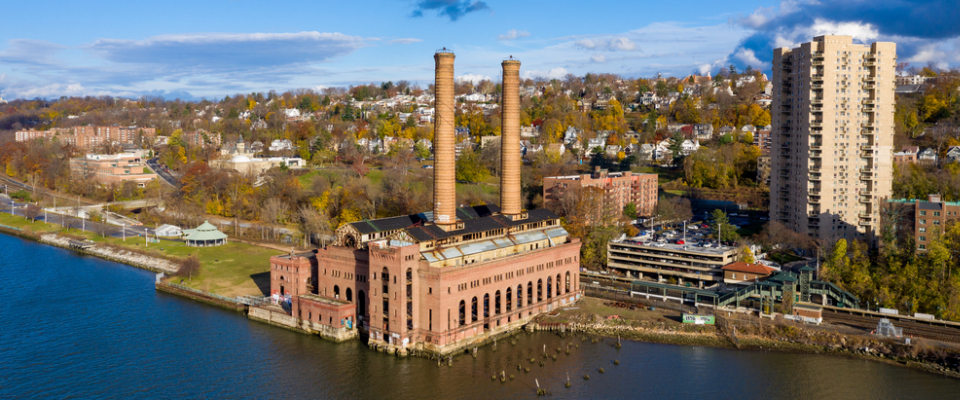
Renting in Yonkers comes with one standout perk: the Hudson River waterfront. The scenery is striking and the pedestrian-friendly development along the water has improved the neighborhood. However, living close to the river also means keeping flood risk in mind.
4. Does my monthly rent include a parking spot or will I need a residential permit?
The answer you want: Parking is included. If not, the property manager should confirm which city permit zone applies and how to obtain one.
Why it matters: Yonkers runs multiple neighborhood-specific permit programs with their own rules and costs. Some zones operate year-round, around the clock, with resident permits available at a low annual cost but non-resident permits are capped at a fraction of available spaces. Assuming street parking is free and unlimited is a costly mistake in many Yonkers neighborhoods.
If your apartment comes with an assigned parking spot, confirm whether it’s in a garage, a surface lot or a designated street space and what happens if that spot is unavailable. If parking isn’t included, ask specifically which zone your block falls under and whether permits are currently available. Some zones have waiting lists. Getting clarity on this before you move in prevents a situation where you’re circling the block at midnight because you didn’t know the rules.
5. What are the utility costs like during a typical Westchester winter?
The answer you want: The property manager should disclose utility costs for winter.
Why it matters: Yonkers experiences cold winters and heating costs can add up quickly — especially in older buildings. Ask whether the apartment uses gas, electric or oil heat, what’s included in the rent and what current residents typically pay during the coldest months. Knowing this upfront lets you budget accurately and avoid unpleasant surprises when January arrives.
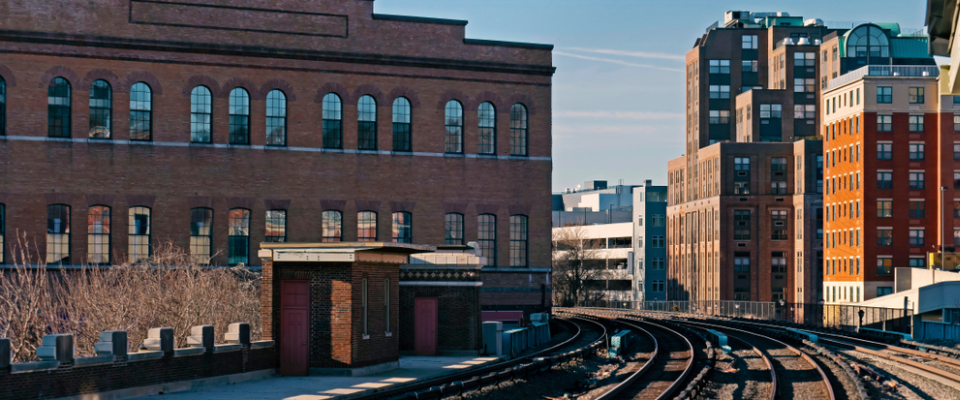
Older buildings in Yonkers, and there are many, given the city’s architectural history, can be drafty and costly to heat depending on how they’ve been maintained. A well-insulated unit with modern windows in a gas-heated building will look very different on your utility bill than a top-floor apartment in a 1920s walk-up with single-pane glass.
Ready to find your next home in Yonkers?
Yonkers rewards renters who ask the right questions. Whether you’re drawn by the public transit access, the Hudson River views or simply the value compared to renting elsewhere in the metro area, doing a little homework before you sign a lease puts you in a much stronger position.
Start your search for apartments in Yonkers today and use these questions as your checklist for every showing.
FAQ
Q: Is Yonkers a safe place to rent?
A: Safety in Yonkers varies considerably by neighborhood, so it’s worth researching specific areas rather than treating the city as a whole.
Q: Do I need renters insurance for apartments in Yonkers?
A: Many property managers in Yonkers require proof of renters insurance before move-in day. Some buildings in flood-prone areas near the Hudson may also require separate flood coverage.
Q: Can a property manager in Yonkers require a security deposit and how much can they charge?
A: Under New York State law, property managers can charge a maximum of one month’s rent as a security deposit and they’re required to return it within 14 days of move-out along with an itemized statement of any deductions.
Q: Are there any ongoing development projects near the apartment that could affect noise or street access?
A: Yonkers has seen significant redevelopment activity along the waterfront and near the downtown core in recent years, so it’s worth asking whether any construction projects are planned or already underway nearby.
Q: Are pets allowed in most apartments in Yonkers?
A: Pet policies vary by building and property manager, so always ask before assuming. Some buildings allow cats but not dogs, others charge a separate pet deposit and some have breed or weight restrictions written into the lease.
Share this article:


Veronica Grecu
Veronica Grecu is a senior creative writer and research analyst for RentCafe. With more than 14 years of experience in the real estate industry, she covers a variety of topics in the apartment market, including rental competitiveness, new construction and other industry trends. Her work has been featured in top publications like The New York Times, The Washington Post, The Wall Street Journal, The Philadelphia Inquirer, The Miami Herald, CNN, CNBC, and more. Prior to RentCafe, Veronica was involved in producing real estate content for Multi-Housing News, Commercial Property Executive and Yardi Matrix. She holds a B.A. in Applied Modern Languages and an M.A. in Advertising and PR.
Sign up for The Ready Renter newsletter
Get our free apartment hunting guide — plus local insights, trends and research.




Related posts
Detroit vs Chicago: Which Midwest city is more affordable for renters?
Detroit and Chicago are about 280 miles apart, making a move between the two a realistic option for many Midwestern renters. Maybe you’ve landed a…
Public transit options for renters in Newark, NJ: How to get around without a car
Newark renters can live car-free using PATH, NJ Transit rail, the Newark Light Rail and an extensive bus network, with Manhattan reachable in about 20…

Lining up apartment tours in Nashville, TN? Ask these questions first
Nashville runs on two engines that rarely slow down: health care and music. It’s a city where a hospital shift change, a songwriter’s set and…
Subscribe to
The Ready Renter newsletter