
Share this article:


Living in an apartment means sharing responsibility for the space you call home. While you enjoy the comfort and convenience of renting, your landlord or property manager has a duty to ensure the property is safe, well-maintained, and up to code. That’s where a routine apartment inspection comes in.
For many renters, the idea of someone examining their living space can cause mild anxiety, but there’s really no need to worry. Routine inspections are standard practice across the residential rental world, and when you understand what they’re for and what happens during them, the entire process becomes much less stressful.
So, let’s take a look at what to expect, how to prepare, and how to make the process smooth and straightforward.
Understanding the purpose of a routine apartment inspection
A routine apartment inspection serves multiple purposes beyond simply checking cleanliness or maintenance issues. Landlords have a legal and ethical obligation to maintain the rental property in a habitable condition. This includes ensuring the apartment is safe, free from health hazards, and in compliance with local housing regulations.

For renters, this is a good thing. These inspections can catch small issues — like a leaky faucet, faulty smoke detector, or minor pest problem — before they turn into costly or disruptive repairs. In many cases, renters are encouraged to point out maintenance concerns during the inspection, which helps foster better communication and ensures problems are resolved promptly.
What happens during an apartment inspection
During an apartment inspection, a landlord or property manager will usually walk through each room, checking that everything is in good working order. Depending on the building and management company, the inspection might be conducted once or twice a year, often with at least 24 to 48 hours’ notice as required by state or local law. The notice will outline when the inspection will take place and sometimes specify what areas or systems will be reviewed.
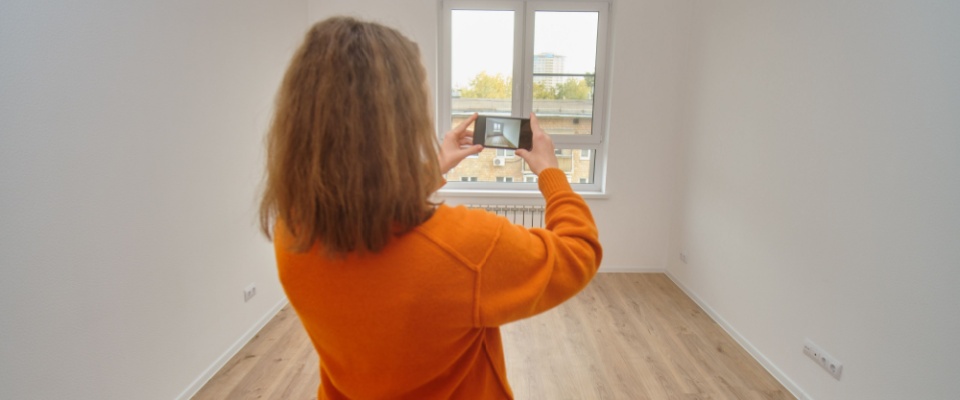
Once inside, the inspector may start by checking visible areas like walls, ceilings, and floors for signs of damage or excessive wear. They may test smoke and carbon monoxide detectors, run faucets and toilets to ensure proper function, and verify that appliances provided by the landlord (like stoves, refrigerators, or dishwashers) are working correctly. They’ll also look for signs of leaks, mold, or pest infestations.
In many cases, the landlord will note any issues that need repair and schedule follow-up maintenance. If you’ve noticed problems — like a broken outlet, drafty window, or malfunctioning light fixture — this is the perfect time to mention them.
Preparing for the apartment inspection
Preparing for a routine apartment inspection doesn’t have to be stressful. The key is to approach it with the mindset of cooperation and readiness. Start by giving your apartment a quick once-over. While the goal isn’t to impress anyone with your housekeeping, tidying up can make the inspection smoother and faster. A clutter-free space allows the inspector to access areas that need to be checked without moving your belongings around.
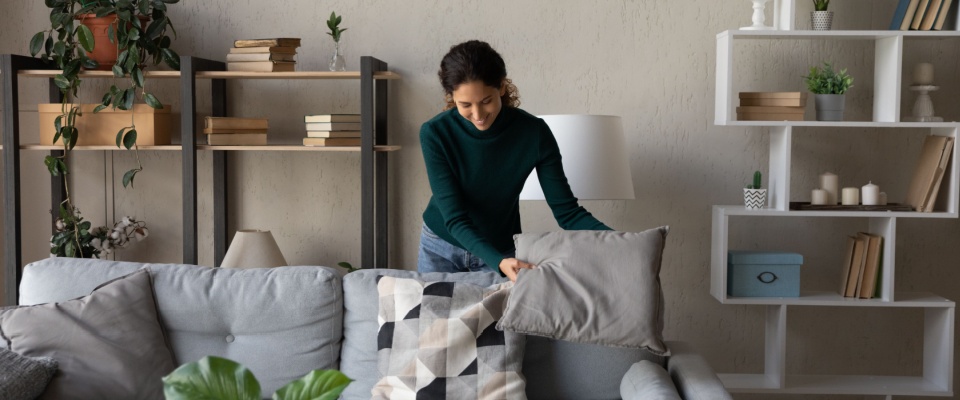
Make sure that all utilities are working properly, including lights, water, and heating or cooling systems. Replace any dead light bulbs, and check that smoke and carbon monoxide detectors are functioning if they’re your responsibility. If you have pets, consider securing them in a separate room or taking them for a walk during the inspection to minimize stress for both your pet and the inspector.
It’s also helpful to make a short list of maintenance issues you’ve noticed, no matter how minor. A dripping faucet or loose cabinet hinge might not seem urgent, but these details help your landlord maintain the apartment and prevent future damage.
Common areas of focus during a routine apartment inspection
While every landlord’s checklist is slightly different, most routine inspections cover a consistent set of areas. The kitchen and bathroom tend to receive extra attention because of plumbing fixtures and potential moisture issues. Inspectors often check under sinks for leaks, look at caulking around tubs and showers, and make sure ventilation fans work properly.
Windows and doors are another common focus. The inspector may confirm that they open and close easily, that locks are functional, and that seals are intact to prevent drafts. Flooring, walls, and ceilings are checked for signs of damage, stains, or holes.
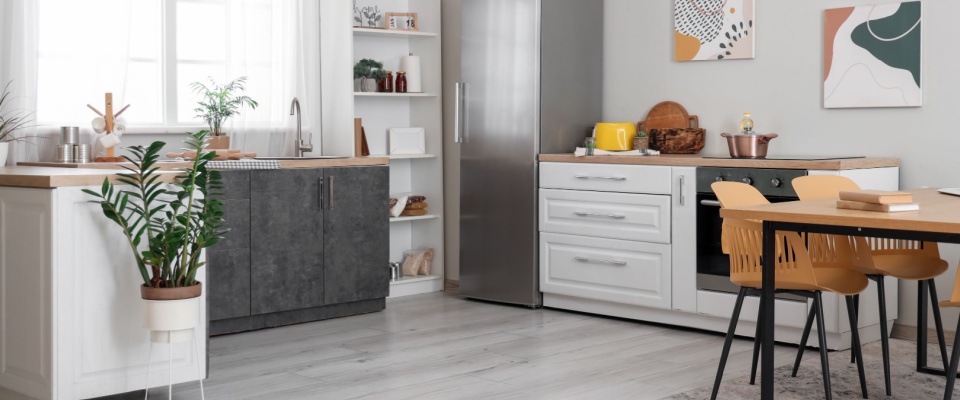
Safety features are also essential. Smoke detectors, carbon monoxide detectors, and fire extinguishers — if provided — must be in working condition. They may also examine electrical outlets and cords for frayed wires or overloading.
In short, the inspection is designed to ensure the apartment remains safe and well-maintained, not to scrutinize your personal habits.
After the apartment inspection
Once the apartment inspection is complete, your landlord or property manager will typically provide a summary of their findings. If everything looks good, you might not hear much more. However, if maintenance issues are discovered, they’ll usually be addressed promptly. Renters are rarely penalized for normal wear and tear or for bringing up repair requests.

If a significant problem arises — say, unauthorized alterations or evidence of serious neglect — the landlord may discuss steps to resolve it. These situations are relatively uncommon in routine inspections and are usually handled through open communication rather than immediate penalties.
Why routine apartment inspections benefit everyone
Although tenants sometimes see a routine apartment inspection as inconvenient, it benefits both sides of the rental relationship. For landlords, it helps preserve property value and ensure compliance with safety codes. For renters, it guarantees that the home remains comfortable and in good working order.
Regular inspections often prevent future disruptions by catching small issues early. A minor water leak, if spotted in time, can save renters from dealing with mold or structural damage later. Likewise, ensuring that smoke detectors function correctly could one day save lives.
When approached with cooperation and transparency, these inspections also strengthen the trust between you and your landlord, promoting smoother communication and better living conditions for everyone involved.
A routine apartment inspection is a standard and essential part of renting a home. Rather than viewing it as an intrusion, think of it as a proactive checkup for your living space — an opportunity to ensure everything works properly and remains safe. With a bit of preparation, clear communication, and an understanding of the process, inspections can be quick, helpful, and even reassuring.
Share this article:


Adina Dragos
Adina Dragos is a real estate writer and research analyst with RentCafe. She has solid experience in real estate writing, covering topics ranging from best cities for renters and the top cities for rental activity to cost of living. Her work was featured in several prominent media channels such as Axios, The Dallas Morning News, ConnectCRE and The New York Times.
Sign up for The Ready Renter newsletter
Get our free apartment hunting guide — plus renting tips, trends and research.




Related posts

From dorm to lease: What changes when you get your first apartment
In a dorm, your biggest housing decision may have been which of you got the window side of the room. Your first apartment works differently….

You got rejected from your dream apartment — now what?
Getting turned down for an apartment you loved stings. You toured it, imagined your furniture in the living room and pictured your morning coffee on…
Virtual tour pros and cons: What renters should know
Virtual tours have gone from a nice-to-have to a standard part of apartment hunting. Whether you’re moving across the country or just shopping around your…
Subscribe to
The Ready Renter newsletter