
Share this article:


Life with a disability is difficult because not everything is under your control. Renting is no different. Unlike buying a home and having the ability to customize every aspect of the property, when renting you are often limited by the existing amenities.
However, there are plenty of ways you can take control. When it comes to finding a safe, comfortable, and accessible place to rent, it helps to be armed with the knowledge that ensures the property you find has everything you need. For those living with a disability, there are some general rules to consider while on the search.
Understand Your Rights
Renting comes with many obligations for both the landlord and the tenant. It’s essential to have a solid understanding of whether your city allows for application fees or security, pet, and damage deposits.
Renter’s rights are generally different in each state. They tend to cover the property itself and the actual arrangement or agreement between the landlord and tenant. States will have various regulations surrounding the cost of rent, property condition, landlord and tenant access, eviction, liabilities, discrimination, and disclosures about previous property issues. Some states have laws that favor landlords more than renters – this is why it is important to do your research beforehand.
Be Aware of Discrimination

When looking for housing for people with disabilities, one of the most important issues from those listed above is discrimination. It is against federal law for landlords to discriminate against disabled applicants, as foreseen in the Fair Housing Act, enforced by the U.S. Department of Housing and Urban Development. Under this law, no human can be denied their right to a rental unit based on their race, gender, skin color, nationality, religion, familial status, and—of course—disability.
You have the right to be free from fear of discrimination when searching for a potential rental property. If you have any concerns or difficulties, information is available for renters from the Center for Equality Rights in Housing at 1-800-263-1139 on how you can best protect yourself as a tenant.
Do a Substantial Inspection of the Property
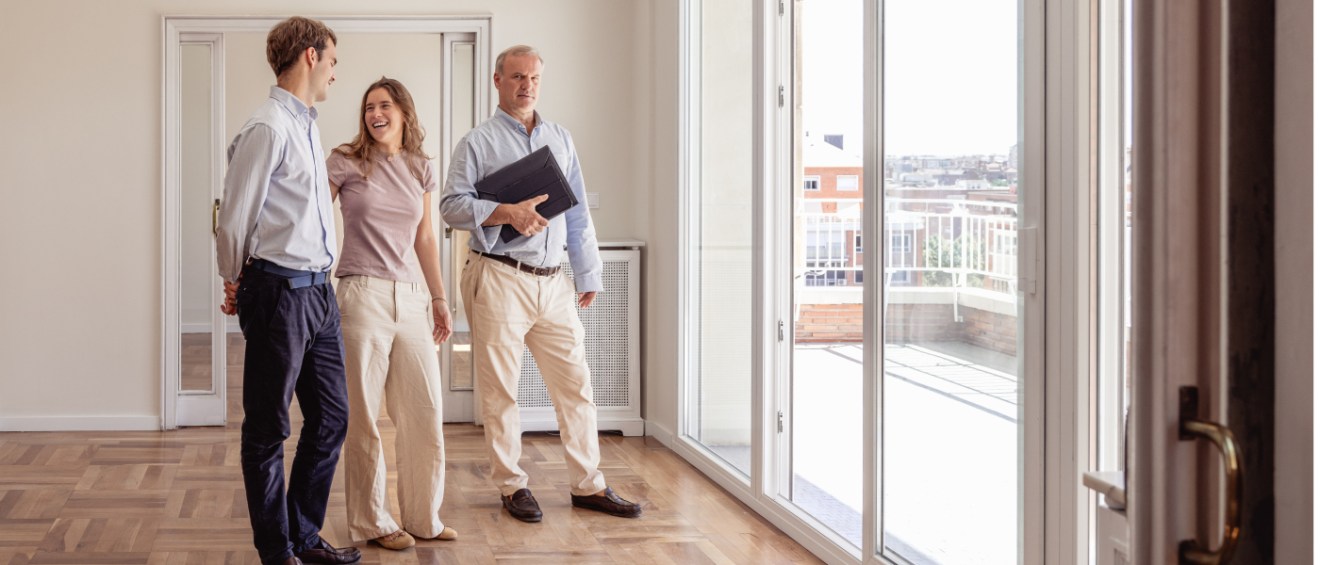
Before you sign a lease, it’s always necessary to do a thorough review of the property. Look at the front and back yard, look inside each of the closets and bedrooms. Make sure that the unit will suit your needs.
Don’t be afraid to ask the landlord for information about pets, neighbors, the noise levels, and if there are any quirks that you should be aware of. If necessary, you can also inquire about whether they’d be willing to help with your accessibility needs. They can accommodate your need for a ramp or avoidance of any materials or substances and support you on days you need an extra hand.
Determine What Type of Lease Is Best
When you find a property, consider whether you’d like a fixed-term contract. Fixed-term means you’d settle into the unit for years, rather than renting on a month-to-month basis.
This type of lease is beneficial because your landlord would need legal evidence and reason to remove you from the property through eviction or otherwise. You will also be able to lock in a fixed rental rate to avoid any unexpected increases. However, be aware that, just as they cannot evict or remove you from the property, you are unable to leave before the lease has expired.

For renters, every situation has its challenges. But by knowing your rights and understanding how to search for a property that suits your specific needs, you’re on your way to finding the rental unit of your dreams.
Share this article:


Mihaela Buzec
Mihaela Buzec is a senior writer, researcher, and online content developer for RentCafe, where she has over 7 years of experience writing about the real estate industry. She authors important resources such as the statistics pages describing generational patterns and renter's guides that help renters in their journey. Her work has appeared in publications such as Apartment Therapy, Indy Star, and Investopedia.
Mihaela is a published researcher who is active in academia as well. She holds a BA in English, an MA in linguistics, and a PhD in neurolinguistics.
Sign up for The Ready Renter newsletter
Get our free apartment hunting guide — plus renting tips, trends and research.




Related posts

What should renters check about windows before moving into an apartment?
When you’re touring a rental apartment or doing a final walkthrough before signing a lease, it’s easy to focus on the big-picture items: square footage,…

What is a holding deposit? A renter’s simple guide
A holding deposit is money you pay a property manager to take a rental off the market while your application is reviewed. It shows you’re…
Timing your apartment tour: How light, noise and traffic change by the hour
Most apartment tours happen between 10 a.m. and 5 p.m., when leasing offices are staffed and the sun is doing the apartment a favor. The…
Subscribe to
The Ready Renter newsletter