
Garage vs. covered parking in apartments: What first-time renters should know
Share this article:


When you’re renting an apartment (especially if it’s your first time!), it’s easy to focus on rent price, square footage, or pet policies. But apartment parking can quietly affect your monthly budget and your daily routine.
If you live in a snowy city like Chicago, a rainy place like Seattle, or a sun-heavy metro like Phoenix, parking conditions are very important. So is security. Choosing between a garage vs. covered parking can impact how often you scrape ice off your windshield, how safe your car feels overnight, and how much you pay each month.
Understanding the difference between covered and garage parking helps you avoid surprise costs and pick the right setup for your lifestyle.
What you’ll learn about garage vs. covered parking:
- The real difference between covered and garage parking in apartment communities.
- How apartment parking options affect safety, weather protection, and insurance.
- Typical costs renters pay for garage vs covered parking.
- Which option makes more sense in hot, cold, or high-crime areas.
What is covered parking in an apartment complex?
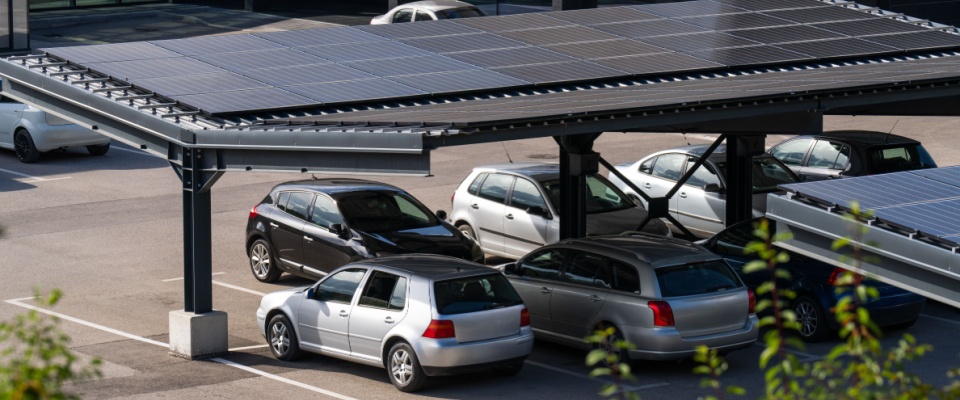
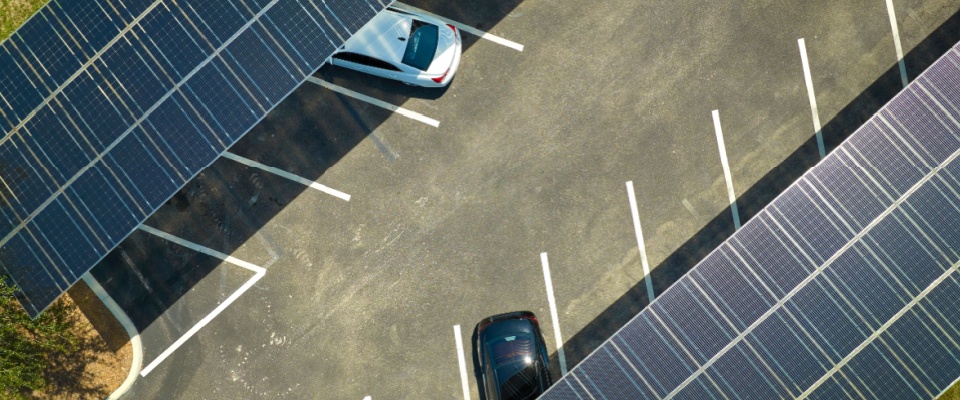
Covered parking has a roof but open sides, offering partial protection from the weather. It usually looks like a carport.
It may be:
- A metal or wood canopy over marked spaces
- Attached to the building or in a separate lot
- Assigned or first-come, first-served
In most apartment parking layouts, covered parking protects your car from:
- Direct sunlight
- Light rain
- Snow buildup on the roof and windshield
- Falling leaves or tree sap
However, because the sides are open, it does not fully protect against:
- Wind-driven rain or snow
- Direct exposure from passersby
- Very low temperatures
Covered parking is common in suburban garden-style apartment communities and in warmer states where sun damage is a concern.
What is garage parking in an apartment building?
Garage parking is fully enclosed, offering stronger security and full weather protection.
Garage parking in apartment communities can come in two forms:
- Detached garages. These are individual units with doors that are often rented separately, so you’ll probably have to pay an extra fee. It may also include extra storage space.
- Underground or structured parking garages. These spaces usually have shared access with controlled entry and are located under or inside the apartment complex. For extra safety, they may include security cameras or key fob access.
When comparing a garage vs. covered parking, a garage provides:
- Full protection from rain, snow, and hail
- Better temperature control
- Added security
- Less public exposure
Garage parking is more common in large cities, luxury buildings, and areas with harsh winters.
What’s the difference between covered and garage parking?
The main difference is enclosure: garages are fully closed; covered parking is open on the sides.
Here’s a simple side-by-side comparison of a garage vs. covered parking:
| Feature | Covered parking | Garage parking |
|---|---|---|
| Roof protection | Yes | Yes |
| Enclosed walls | No | Yes |
| Protection from snow | Partial | Full |
| Protection from sun | Good | Excellent |
| Protection from wind | Limited | Strong |
| Security level | Moderate | Higher |
Costs vary by city. In high-demand urban areas, garage parking can cost significantly more.
If you’re deciding between garage vs. covered parking, think about aspects such as the climate and how long you plan to stay.
Which option is safer: A garage or covered parking?
Garage parking generally offers better security than covered parking.
Because garage parking is enclosed, it often includes:
- Controlled entry gates
- Key fob or remote access
- Security cameras
- Limited public access
Covered parking, on the other hand, is usually open and accessible from the lot.
Even so, no option is completely risk-free. To improve safety in either setup:
- Keep personal items out of sight
- Double-check that your vehicle is locked
- Park in well-lit areas when possible
- Ask the leasing team about on-site features like lighting or cameras
If extra peace of mind matters to you, the garage vs. covered parking debate may have you leaning toward garage parking.
How does climate affect your choice?
Weather plays a major role in choosing between covered and garage parking.
Garage parking prevents ice buildup, snow scraping, and frozen door locks in snowy cities.
In hot climates, covered parking helps reduce interior heat, protects dashboards from cracking, and may help prevent sun damage.
In storm-prone areas, garage parking offers better hail protection and shielding from heavy wind
If you live somewhere with extreme weather, the difference between covered and garage parking can affect daily comfort.
Is garage parking worth the extra cost?
Garage parking may be worth it if security, winter protection, or resale value matter to you.
Choosing an apartment with garage parking makes sense if:
- You drive a newer or high-value car.
- You live in a high-crime area.
- You want storage space.
- You dislike dealing with snow or ice.
Covered parking may be enough if:
- You’re on a tight budget.
- You live in a mild climate.
- Security concerns are low.
- You don’t mind some weather exposure.
When weighing the choice between a garage vs. covered parking, calculate the annual cost difference and compare it to potential repair, insurance, or inconvenience costs.
What should first-time renters ask before choosing apartment parking?
Always ask detailed questions about availability, fees, and security.
Before signing your lease, ask:
- Is parking guaranteed?
- Can I switch from covered to garage later?
- Is there a waitlist?
- Are there visitor parking rules?
- Does rent include parking?
Apartment parking policies vary widely between buildings and cities. You should never assume you automatically have a spot reserved.
FAQ: Garage vs. covered parking
Q: Is covered parking considered a garage?
A: No. Covered parking has a roof but open sides. A garage is fully enclosed with walls and usually a door.
Q: Does garage parking lower car insurance?
A: Sometimes. Insurance companies may offer lower rates for vehicles stored in secure garages, but it depends on your provider and location.
Q: Is covered parking worth paying for?
A: In hot or rainy climates, covered parking can reduce sun and water damage at a lower cost than a garage.
Q: Can apartment garages be shared?
A: Yes. Many apartment buildings use shared structured garages with assigned or unassigned spaces.
Q: What’s better for winter: garage vs covered parking?
A: Garage parking is better for winter because it fully protects against snow and ice buildup.
Choosing between a garage vs. covered parking comes down to your budget, climate, and peace of mind. For first-time renters, asking the right questions early can prevent daily frustration later.
Whether you prioritize lower monthly costs or stronger protection, understanding the difference between covered and garage parking helps you make a smarter rental decision.
Share this article:


Florin Petrut
Florin Petrut is a real estate writer and research analyst with RentCafe, using his experience as a social media specialist and love for storytelling to create insightful reports and studies on the rental market. With a strong interest in the renter experience, he develops data-driven resources that explore cost of living, affordable neighborhoods, and housing trends, helping renters make informed decisions about where and how they live. Florin holds a B.A. in Journalism and an M.A. in Digital Media and Game Studies.
Sign up for The Ready Renter newsletter
Get our free apartment hunting guide — plus renting tips, trends and research.




Related posts
What is assigned parking? A renter’s guide to how it works
Parking can become one of the most frustrating parts of renting an apartment, especially in busy apartment communities or dense neighborhoods. After a long day,…

The unspoken rules of a club house in an apartment building
The club house in a residential apartment building is often seen as a shared extension of your living space. It is where neighbors gather, relax,…

Top community amenities to look for when renting one-bedroom apartments
When you’re renting a one-bedroom apartment, the most valuable community amenities are the ones that stretch your living space beyond your front door and replace…
Subscribe to
The Ready Renter newsletter