
Share this article:


If you’ve ever lived in a busy apartment building or shared a driveway with a roommate, you’ve probably dealt with tandem parking. Tandem parking means two cars are parked one behind the other in a single parking space, so one vehicle has to move before the other can get out. It’s common in urban rentals and smaller properties where space is limited.
While tandem parking can be a smart solution for tight lots, it can also lead to frustration if it’s not handled well. The good news? Most tandem parking problems come down to simple habits, and they’re easy to fix with a little planning and communication.
Below are five common tandem parking issues renters face and practical ways to avoid them.
1. What happens when roommates don’t communicate their schedules?
One of the biggest tandem parking issues is poor communication. When people don’t share their daily routines, someone inevitably ends up blocked in when they need to leave for work, school, or an appointment.
Let’s say you’re rushing out the door for an early shift, only to realize your roommate’s car is parked behind yours. They’re asleep. You’re stuck. That’s how arguments start.
How to avoid it
Good communication is the foundation of stress-free tandem parking. Here are some things you should plan:
- Share basic weekday and weekend routines in a group chat or shared calendar.
- Let others know about schedule changes right away — late nights, early flights, overtime shifts.
- If schedules are very different, agree that the person who leaves earlier parks in the outer (blocking) spot when possible.
You don’t need to share every detail of your life, but a simple heads-up can prevent a lot of tension. Make sure everyone knows typical in-and-out times.
2. Are you parking in the wrong order in a tandem parking space?
Another common tandem parking mistake is putting the wrong car in the wrong spot.
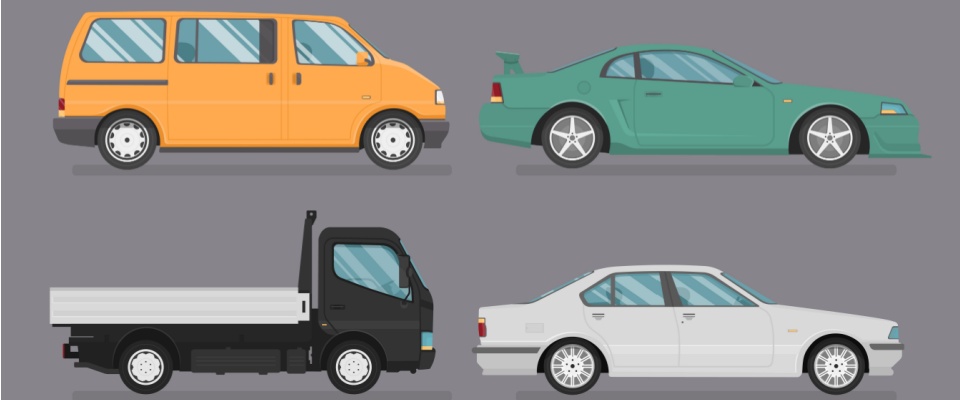
In a tandem parking setup, one vehicle parks in the inner spot (closest to the building or garage wall), and the other parks in the outer spot (closer to the driveway or exit). If the car that’s used most often is parked in the inner spot, you’ll constantly have to shuffle cars around. That’s inefficient.
How to avoid it
The key is to think about frequency and flexibility. Here’s what you should do:
- Park the most frequently used or “early-leave” car in the outer position.
- Assign the inner spot to the car used less often or by someone with a flexible schedule.
- Revisit the parking order if routines change, like a new job, new class schedule, or seasonal shifts.
Tandem parking works best when the system matches real life. What worked six months ago may not work today, so check in occasionally and adjust.
3. What if there are no clear rules for shared tandem parking?
Many renters sharing tandem parking spaces rely on a vague “we’ll figure it out” approach. This rarely works.
Without clear rules, you might run into questions like:
- Who parks in front?
- Where do guests park?
- Can someone move another person’s car?
- What happens if someone blocks both spots?
If those expectations aren’t clear from the beginning, misunderstandings are almost guaranteed.
How to avoid it
You don’t need a legal contract, but you do need clarity.
- Create simple written rules covering front and back assignments, guest parking, and car-moving expectations.
- Decide whether roommates can exchange spare keys for emergencies.
- Review the system with any new roommate or neighbor sharing the space.
Putting the agreement in writing (even just in a shared note on your phone) keeps things fair and avoids the “I didn’t know” excuse. Clear expectations make tandem parking feel organized instead of chaotic.
4. What happens if someone blocks a car without backup access?
This is one of the most frustrating tandem parking mistakes: blocking a car without any way to move the blocking vehicle.
If there’s no spare key, no contact info, and no backup plan, the person in the inner spot is completely trapped. That can turn into running late for work, missed appointments, or towing disputes in extreme cases.
How to avoid it
Every tandem parking setup should include a backup access plan.
- Exchange phone numbers and keep them saved so you can quickly reach each other.
- Consider creating spare keys and storing them in a mutually agreed safe place.
- If you’re not comfortable sharing keys, agree that the person without a spare never parks in the outer blocking position.
Emergencies happen: flat tires, medical issues, urgent calls — you don’t want tandem parking to make those situations worse. Planning ahead gives everyone peace of mind.

5. Are you ignoring space limits and vehicle size?
Not all tandem parking spaces are the same size. Many are long and narrow, typically around 30 to 40 feet in length and 8 to 10 feet in width. That can be tight, especially if someone drives a large SUV or truck.
Trying to squeeze oversized vehicles into a small tandem parking space can lead to:
- Door dings
- Scraped walls
- Blocked sidewalks or drive lanes
- Difficulty opening doors safely
How to avoid it
Take a practical approach to physical space.
- Measure the tandem parking space and compare it to your vehicle lengths.
- Place smaller cars in tighter positions (often the inner spot).
- Keep larger SUVs or trucks where they’re easier to maneuver.
- Avoid storing bikes, bins, or extra items in the parking area.
Just because two cars technically fit doesn’t mean they fit comfortably. Make sure everyone can park, exit, and open doors without damaging property.
Simple best practices for stress-free tandem parking
If you’re sharing a tandem parking space in an apartment building or rental home, here’s a low-stress system that works for most renters:
- Outer spot: Car with earlier mornings or more frequent trips.
- Inner spot: Car used less often or by someone with a flexible schedule.
- Shared tools: Group chat, written rules, and spare keys stored safely.
At its core, tandem parking isn’t the problem; a lack of planning is. These simple habits remove most of the everyday friction people associate with tandem parking.
Tandem parking doesn’t have to be a headache
Tandem parking is common in apartment buildings, especially in cities where parking is limited. While it can feel inconvenient at first, most tandem parking issues come down to five preventable mistakes: poor communication, bad car order, unclear rules, blocking without backup access, and ignoring space limits.
The good news is that every one of these problems has a simple fix. So, talk openly about schedules. Next, assign parking spots logically and write down basic rules. Also, don’t forget to create a backup access plan and make sure the space actually fits your vehicles.
With just a little organization, tandem parking can run smoothly, and you can avoid unnecessary stress with roommates or neighbors.
FAQs: Tandem parking mistakes
Q: What is tandem parking in an apartment building?
A: Tandem parking means two vehicles share one long parking space, with one parked directly behind the other. The front or outer car must move for the inner car to exit.
Q: Is tandem parking allowed in most rental properties?
A: Yes, tandem parking is common in apartment complexes and rental homes, especially in areas where parking space is limited. However, always check your lease for specific rules.
Q: Who should park in the outer spot in tandem parking?
A: Typically, the person who leaves earlier or uses their car more frequently should park in the outer spot to minimize disruptions.
Q: Should roommates share spare keys for tandem parking?
A: It depends on comfort levels, but having spare keys stored safely can prevent emergencies. If key sharing isn’t an option, clear rules about who parks where are even more important.
Q: What are the biggest tandem parking mistakes renters make?
A: The most common tandem parking mistakes include poor communication, parking in the wrong order, failing to create clear rules, blocking without backup access, and ignoring space or vehicle size limits.
Share this article:


Alexandra Both
Alexandra Both is a senior real estate writer and research analyst with RentCafe. She brings over 10 years of real estate writing experience, having served as a senior editor at Commercial Property Executive and Multi-Housing News. A seasoned journalist, Alexandra has worked across print, online, and broadcast media. Her work has been featured in a variety of prominent outlets, including The New York Times, The Guardian, USA Today, and Architectural Digest. She holds a B.A. in Journalism and an M.A. in Community Development.
Sign up for The Ready Renter newsletter
Get our free apartment hunting guide — plus renting tips, trends and research.




Related posts

What should renters check about windows before moving into an apartment?
When you’re touring a rental apartment or doing a final walkthrough before signing a lease, it’s easy to focus on the big-picture items: square footage,…

What is a holding deposit? A renter’s simple guide
A holding deposit is money you pay a property manager to take a rental off the market while your application is reviewed. It shows you’re…
Timing your apartment tour: How light, noise and traffic change by the hour
Most apartment tours happen between 10 a.m. and 5 p.m., when leasing offices are staffed and the sun is doing the apartment a favor. The…
Subscribe to
The Ready Renter newsletter