Touring apartments in Boise, ID? Ask these questions before you sign a lease
Share this article:


What do you need to know about renting in Boise, ID?
- Winter inversions can trap cold, hazy air over the Treasure Valley for days at a time.
- Summer highs push past 95 degrees from July into early September.
- ValleyRide buses don’t run on Sundays anywhere in the city.
- Open irrigation canals cut through the Bench and Garden City and run fast from April through October.
- The 25-mile Greenbelt along the Boise River works as a real bike commute route, not only a weekend path.
Boise sits where high desert runs into the Rocky Mountain foothills, and it still moves at a small-town pace even as the Treasure Valley fills in around it. Rent here is well below what the same square footage costs in Seattle or Portland, which is a big part of why so many people keep arriving.
The rental stock varies significantly by neighborhood. You’ll find early-1900s bungalows carved into apartments in the North End, mid-century fourplexes across the Bench, new mid-rises downtown and near the Lusk District and warehouse conversions along the river in Garden City.
Picking the right place takes more than scrolling floor plans. Boise’s temperature swings, its spread-out street grid and older buildings all shape daily life in each apartment.
Whether you’ve lived here for years or you’re moving in from out of state, these five questions cover what catches renters off guard. Bring them to every showing.
5 questions to ask when touring apartments in Boise, ID
1. What kind of cooling does this apartment have, and who changes the air filter?
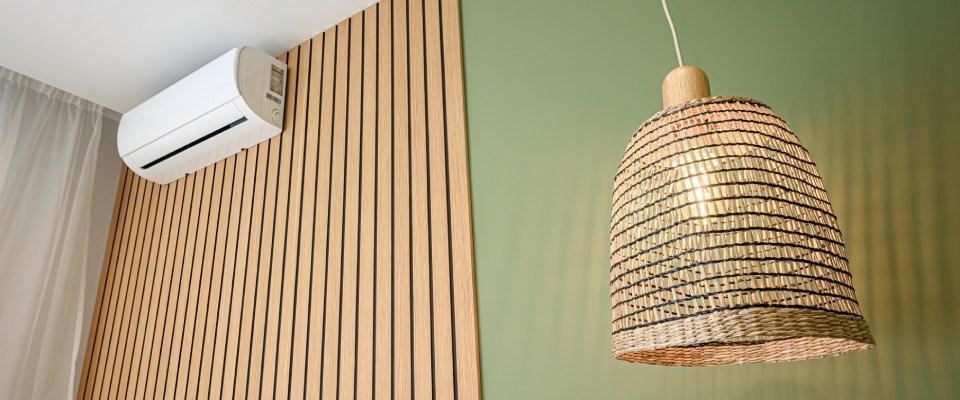
The answer you want: Central air conditioning with filters the property management team replaces on a set schedule at no cost to you. If filters are your job, ask what size the system takes and whether you can install a higher-rated one.
Why it matters: Boise summers bring temperatures above 95 degrees for long stretches from July to September. That’s the same window when smoke from regional wildfires settles into the Treasure Valley and pushes air quality into the unhealthy range. Without central air and real filtration, you’re stuck choosing between opening a window to smoke or sitting in the heat with it closed.
Older houses split into apartments in Boise neighborhoods like the North End and the East End are the most likely to come with window air conditioners and no filter system at all. Winter brings the same issue in reverse, when inversions hold stagnant air over the valley for a week or more.
2. How many parking spots come with the apartment, and is this block in a residential permit zone?
The answer you want: At least one assigned spot per apartment, a clear yes or no about whether the block is in a permit district and a stated number of guest passes per month.
Why it matters: Much of downtown Boise and the grid around Boise State University falls inside residential parking permit districts. Leaving a car on the street without a permit in these areas means a posted time limit and a ticket. Home football games at Albertsons Stadium pack street parking across the Bench and the university area all fall, and basketball season does a smaller version of the same thing.
Households with two cars feel this first, as does anyone who hosts people. The problem surfaces weeks after move-in, long after the lease is signed.
3. Which bus route is closest, and what does the walk to that stop look like?
The answer you want: A stop you can reach on foot in under 10 minutes on a route that runs when you need it. Walk it yourself during the tour and time it, then pull up the schedule on the Valley Regional Transit site before you leave the parking lot.

Why it matters: ValleyRide buses don’t operate on Sundays anywhere in Boise, and many routes thin out after the evening commute. Renters assume a nearby stop means full coverage, then learn their Sunday plans require a car or a rideshare.
Sidewalks also run out quickly outside the core neighborhoods, so a stop a quarter mile away on a map may have you dodging cars to get to the far side of a five-lane arterial with no crossing signal. If you plan to bike instead, check how far the nearest Greenbelt access point is and whether the property gives you somewhere secure to store the bike.
4. Who clears the sidewalks, stairs and lot after it snows, and how fast?
The answer you want: The property pays for snow and ice removal and handles it within a day of the storm. If the answer gets vague, you may hear that maintenance gets to it when they can, or that residents clear their own entryway. Ask directly about exterior stairs and second-floor walkways, which get skipped at a lot of garden-style properties.
Why it matters: Boise city code puts responsibility for clearing public sidewalks on the property owner or occupant, and leases often push that duty down to residents. Snow totals here are typically modest, but the melt-and-refreeze cycle turns walkways into sheets of ice for weeks.
Foothills addresses have steep driveways and shaded streets that hold ice far longer than the flats, and Garden City runs its own services on its own schedule even though it sits inside Boise’s borders. Renters who skip this question end up chipping ice off their own steps before work.
5. How is the apartment heated, and what have winter energy bills looked like?
The answer you want: A gas furnace or a connection to the downtown geothermal system, backed by 12 months of billing history for that specific address.
Why it matters: Boise runs one of the largest direct-use geothermal heating systems in the country, and buildings downtown tap it for heat at a steady cost. Outside that district, heat comes from gas furnaces, heat pumps or electric baseboards, and baseboards get expensive during an inversion when cold air parks over the valley and the system never cycles off.
Check the thermostat during your tour and look along the wall under each window: long, low metal panels mean electric resistance heat. Ask the management team for billing history, or call Idaho Power with the address and request the usage record.

Comparing apartments in Boise comes down to more than whether you like the kitchen. The cooling setup, the parking rules and the heating system decide what each month actually costs you. Asking about these issues on the tour beats finding out in August or January.
Before you commit, walk the block and run a normal week through your head: the drive to work, the Saturday grocery run, where a friend would park. The daily routine tells you more than the floor plan does.
FAQ
A: Newer buildings generally include central air, but older homes split into apartments in the North End and across the Bench often rely on window air conditioners instead. Ask about both the cooling setup and filter changes, since Boise summers run past 95 degrees and late-summer wildfire smoke makes filtration matter as much as cooling.
A: Many blocks downtown and around Boise State University sit inside residential parking permit districts, where street parking without a permit is capped at a posted time limit. Ask the property how many assigned spots come with the apartment and how many guest passes you get each month before you sign.
A: It works on weekdays in the core neighborhoods, but ValleyRide buses don’t run on Sundays, so one day a week takes planning. Look up your route’s schedule on the Valley Regional Transit site and walk from the apartment to the nearest stop during your tour to see how long it really takes.
A: Some properties pay for snow and ice removal, while others pass sidewalk and entryway clearing to residents through the lease, since Boise code places the duty on the owner or occupant. Get the answer in writing and ask specifically about exterior stairs and upper walkways, which are the spots most often left uncleared.
A: Electric baseboard heat gets costly during Boise’s winter inversions, when cold air settles over the Treasure Valley for days and the heat barely shuts off. Look under the windows for long metal baseboard panels during your tour, then ask the management team for 12 months of billing history for that address.
Share this article:


Florin Petrut
Florin Petrut is a real estate writer and research analyst with RentCafe, using his experience as a social media specialist and love for storytelling to create insightful reports and studies on the rental market. With a strong interest in the renter experience, he develops data-driven resources that explore cost of living, affordable neighborhoods, and housing trends, helping renters make informed decisions about where and how they live. Florin holds a B.A. in Journalism and an M.A. in Digital Media and Game Studies.
Sign up for The Ready Renter newsletter
Get our free apartment hunting guide — plus local insights, trends and research.




Related posts
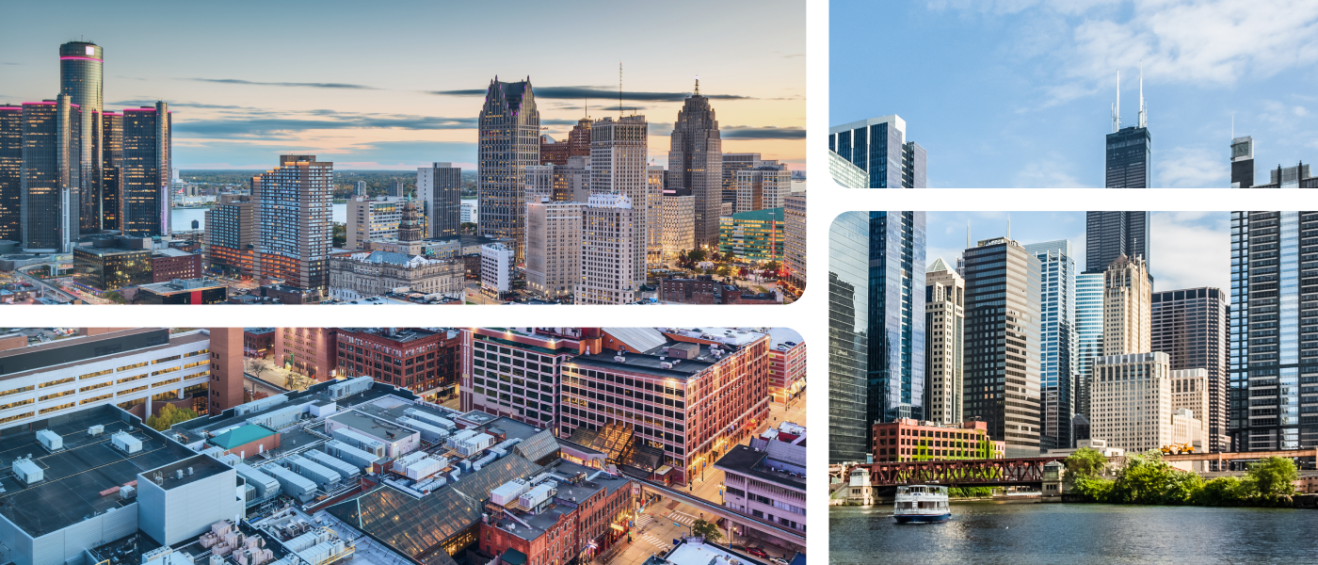
Detroit vs Chicago: Which Midwest city is more affordable for renters?
Detroit and Chicago are about 280 miles apart, making a move between the two a realistic option for many Midwestern renters. Maybe you’ve landed a…
Public transit options for renters in Newark, NJ: How to get around without a car
Newark renters can live car-free using PATH, NJ Transit rail, the Newark Light Rail and an extensive bus network, with Manhattan reachable in about 20…
Touring apartments in Boise, ID? Ask these questions before you sign a lease
Boise sits where high desert runs into the Rocky Mountain foothills, and it still moves at a small-town pace even as the Treasure Valley fills…
Subscribe to
The Ready Renter newsletter